

In recent years, the European market has witnessed a growing preference for Chinese low-temperature preserved garlic. This trend is not without reason, as it is underpinned by a comprehensive quality control system that spans from the Chinese garlic fields to European dining tables.
Let's start with the high - quality garlic - growing regions in China. The soil management here is a science in itself. Farmers analyze the soil composition regularly, adding appropriate fertilizers and soil conditioners to ensure that the garlic grows in an optimal environment. For instance, they adjust the pH value of the soil to around 6.5 - 7.5, which is ideal for garlic growth. This careful soil management lays a solid foundation for high - quality garlic production.
The timing of harvest is another crucial factor. Chinese farmers have mastered the art of determining the best time to harvest garlic. Usually, they harvest garlic when the leaves start to turn yellow and dry, which indicates that the garlic bulbs have reached their maximum maturity. This ensures that the garlic has the highest level of nutrients and flavor at the time of harvest.
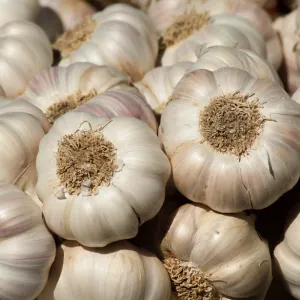
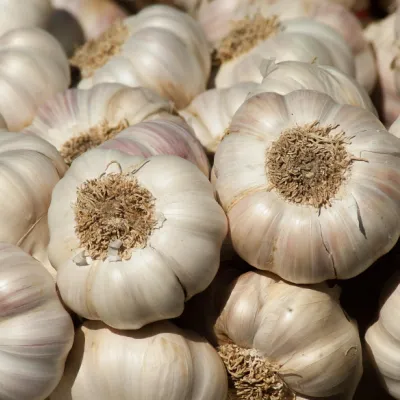
After harvest, the sorting process is equally stringent. Garlic bulbs are sorted according to size, shape, and quality. Only those that meet strict standards are selected for further processing. This meticulous sorting helps to ensure a consistent quality of the final product.
Once sorted, the garlic enters the cold - storage phase. China has adopted a professional cold - chain storage technology with a temperature range of - 3°C to 0°C. This technology is a game - changer in the garlic supply chain. Compared with traditional storage and transportation methods, modern cold - chain logistics has significantly improved the retention rate of key nutrients in garlic.
Let's take a look at the data. Through a series of tests, it has been found that modern cold - chain storage technology can increase the retention rate of vitamin C in garlic by over 40% compared with traditional methods. The same goes for alliin, a key component in garlic that has various health benefits. The retention rate of alliin can also be improved by more than 40%. These numbers clearly demonstrate the effectiveness of the cold - chain storage technology in preserving the nutritional value of garlic.
In addition to cold - chain storage, proper ventilation and packaging are also essential. The garlic is packed in special ventilated containers that allow air circulation, preventing the growth of mold and bacteria. This ensures that the garlic remains fresh and of high quality during transportation.
This entire quality control system from field to table addresses the pain points of European customers. In the past, European importers often faced issues such as out - of - stock situations and quality fluctuations. However, with China's systematic approach, a stable supply of high - quality garlic can be ensured throughout the year. The modern cold - chain logistics and other technologies have enabled a continuous supply, eliminating the problem of supply disruptions.
The high retention rate of nutrients also meets the quality requirements of the European high - end catering and food processing industries. These industries demand high - quality ingredients with rich nutrients, and Chinese low - temperature preserved garlic truly meets these needs.
In conclusion, China's garlic supply chain represents a sustainable and reliable global food supply solution. The combination of scientific planting, precise harvesting, strict sorting, and advanced cold - chain storage technologies has created a product that is highly favored in the European market. As the demand for high - quality food ingredients continues to grow, Chinese garlic is well - positioned to play an even more important role in the global food supply chain. To learn more about the cutting - edge technologies behind the Chinese garlic supply chain, click here.
.png?x-oss-process=image/resize,h_600,m_lfit/format,webp)



.png?x-oss-process=image/resize,h_200,m_lfit/format,webp)





 TikTok
 Facebook