
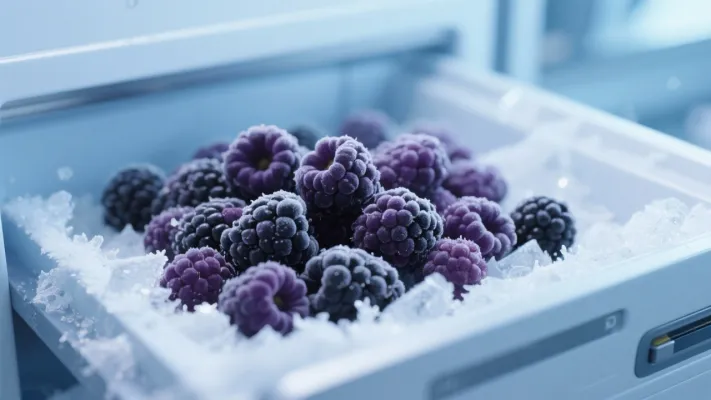
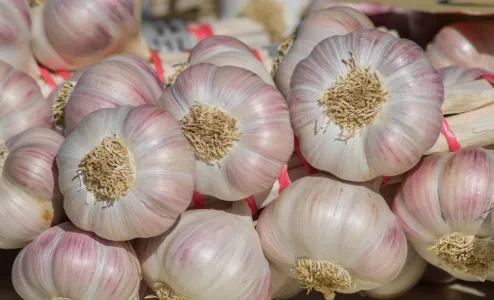
In the world of food storage, especially for garlic, temperature plays a pivotal role. Improper storage temperatures can lead to a significant decrease in garlic quality, including premature sprouting, decay, and loss of flavor. This makes it essential for professional cold storage facilities to understand and implement the right temperature control strategies. But why specifically -3°C to 0°C? Let's delve into the scientific principles behind this.
Agricultural engineering research has shown that this temperature range has a profound impact on garlic's physiological activities. At this temperature, the respiration rate of garlic is significantly reduced. Respiration is a natural process in which garlic consumes oxygen and releases carbon dioxide, similar to human breathing. By lowering the temperature to -3°C to 0°C, the respiration rate can be decreased by up to 50% compared to room temperature, according to some studies. This reduction in respiration helps to preserve the energy reserves within the garlic, keeping it fresh for longer.
Enzyme activity is also affected. Enzymes are biological catalysts that speed up chemical reactions in the garlic. At -3°C to 0°C, the activity of these enzymes is slowed down, which in turn slows down the processes that lead to spoilage and decay. Additionally, this temperature range effectively inhibits the germination of garlic. Garlic tends to sprout when the conditions are favorable, which can cause it to lose its flavor and nutritional value. The -3°C to 0°C range can delay the sprouting process by several weeks, ensuring that the garlic remains in its prime state for a longer period.

In addition to temperature, humidity is another crucial factor in garlic storage. Maintaining a humidity level between 85% and 95% helps to prevent the garlic from drying out. If the humidity is too low, the garlic will lose moisture, become shriveled, and its flavor will be compromised. On the other hand, if the humidity is too high, it can lead to the growth of mold and bacteria. Therefore, proper humidity control is essential for optimal garlic storage.
Good ventilation is necessary to ensure a uniform temperature and humidity distribution throughout the cold storage. An effective ventilation system creates an airflow circulation that helps to remove any excess heat and moisture. This prevents the formation of hotspots and damp areas, which can lead to spoilage. For example, a well - designed ventilation system can ensure that the temperature variation within the cold storage is within ±0.5°C.
When storing garlic, it is important to stack it in layers to avoid crush injury. Garlic bulbs are fragile, and excessive pressure can cause physical damage, which can then lead to decay. By using layered stacking methods, the weight of the garlic is evenly distributed, reducing the risk of damage.
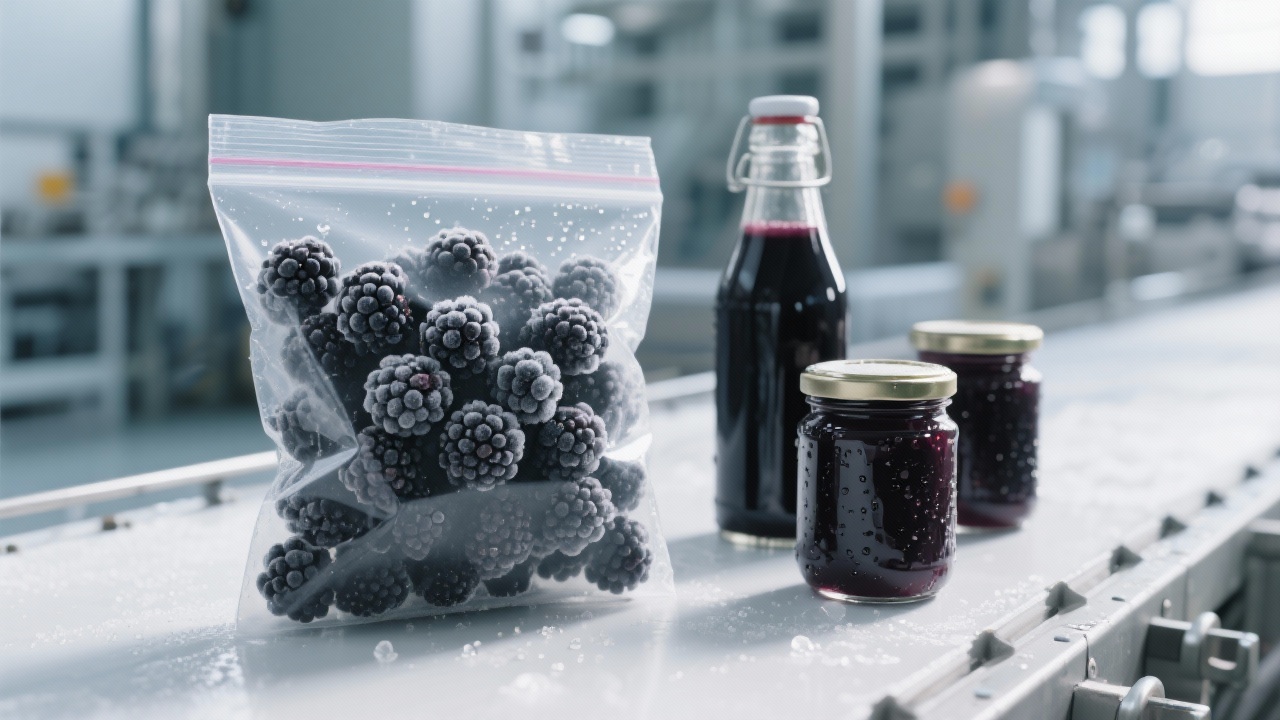
A Middle Eastern restaurant was facing high garlic loss rates due to improper storage. After implementing a cold storage system with a temperature control range of -3°C to 0°C, along with the supporting measures of humidity control, ventilation, and layered stacking, the restaurant was able to reduce its garlic loss rate from 20% to 5%. This significant reduction not only saved costs but also ensured a steady supply of fresh garlic for their dishes, improving customer satisfaction.
The cold storage industry is constantly evolving. Seasonal adjustments are necessary as the characteristics of garlic change throughout the year. For example, during the harvest season, the garlic may have a higher moisture content, requiring more precise humidity control. Additionally, there is a growing trend towards sustainable preservation technologies. New technologies are being developed to reduce energy consumption while maintaining the same level of garlic freshness. These include the use of natural refrigerants and more energy - efficient cold storage equipment.

Our company adopts this standard temperature control system to ensure that every batch of garlic has consistent quality. By combining the latest scientific research with practical experience, we can provide you with garlic that is fresh, flavorful, and long - lasting. Whether you are a large - scale food distributor or a small - scale restaurant owner, our garlic storage solutions can help you reduce losses and improve your bottom line.
Here's a little quiz for you: Is your cold storage temperature up to the standard? Test your knowledge and see if you're making the most of your garlic storage.
To better understand the temperature control range, you can refer to the temperature control curve chart (not shown here). It visually represents the relationship between temperature and garlic's physiological activities, helping you to make more informed decisions.
 299
|
299
|
 high-quality Chinese garlic
year-round stable supply garlic
10-kilogram mesh bag garlic
high-quality Chinese garlic
year-round stable supply garlic
10-kilogram mesh bag garlic
 95
|
garlic variety selection
international culinary garlic applications
fresh garlic supply solutions
kitchen garlic usage tips
mesh bag garlic packaging benefits
95
|
garlic variety selection
international culinary garlic applications
fresh garlic supply solutions
kitchen garlic usage tips
mesh bag garlic packaging benefits
 225
|
export garlic storage solutions
international garlic variety guide
fresh garlic packaging techniques
kitchen garlic selection methods
cold chain preservation for garlic
242
|
Organic fresh ginger cultivation technology
Export - grade ginger standards
Pesticide - free ginger
Ginger quality assurance
High - end organic ginger
239
|
mesh bag packaging
cold chain logistics
fresh garlic transportation
agricultural product preservation
ventilation packaging technology
225
|
export garlic storage solutions
international garlic variety guide
fresh garlic packaging techniques
kitchen garlic selection methods
cold chain preservation for garlic
242
|
Organic fresh ginger cultivation technology
Export - grade ginger standards
Pesticide - free ginger
Ginger quality assurance
High - end organic ginger
239
|
mesh bag packaging
cold chain logistics
fresh garlic transportation
agricultural product preservation
ventilation packaging technology


.png?x-oss-process=image/resize,h_600,m_lfit/format,webp)





.png?x-oss-process=image/resize,h_200,m_lfit/format,webp)





 TikTok
 Facebook