
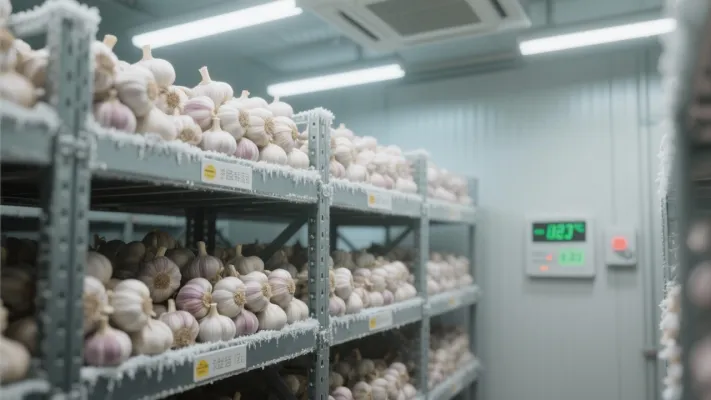
Have you ever wondered why some garlic loses its aroma after cooking? This article delves deep into the flavor - release mechanism of A - grade garlic in Middle Eastern heavy - flavored cuisines. It uncovers the best application scenarios of different types of garlic, including pure white, large white, red, and purple garlic, in cooking.
Based on years of industry experience, we'll first explore the flavor - release logic of A - grade garlic. In Middle Eastern markets, where there is a strong preference for heavy flavors and natural tastes, A - grade garlic plays a crucial role. Different types of garlic have distinct flavor profiles. For example, pure white garlic might offer a milder and more delicate flavor, while red garlic could bring a spicier and more intense note. Understanding these differences allows chefs and food enthusiasts to use the right type of garlic for the right dish.
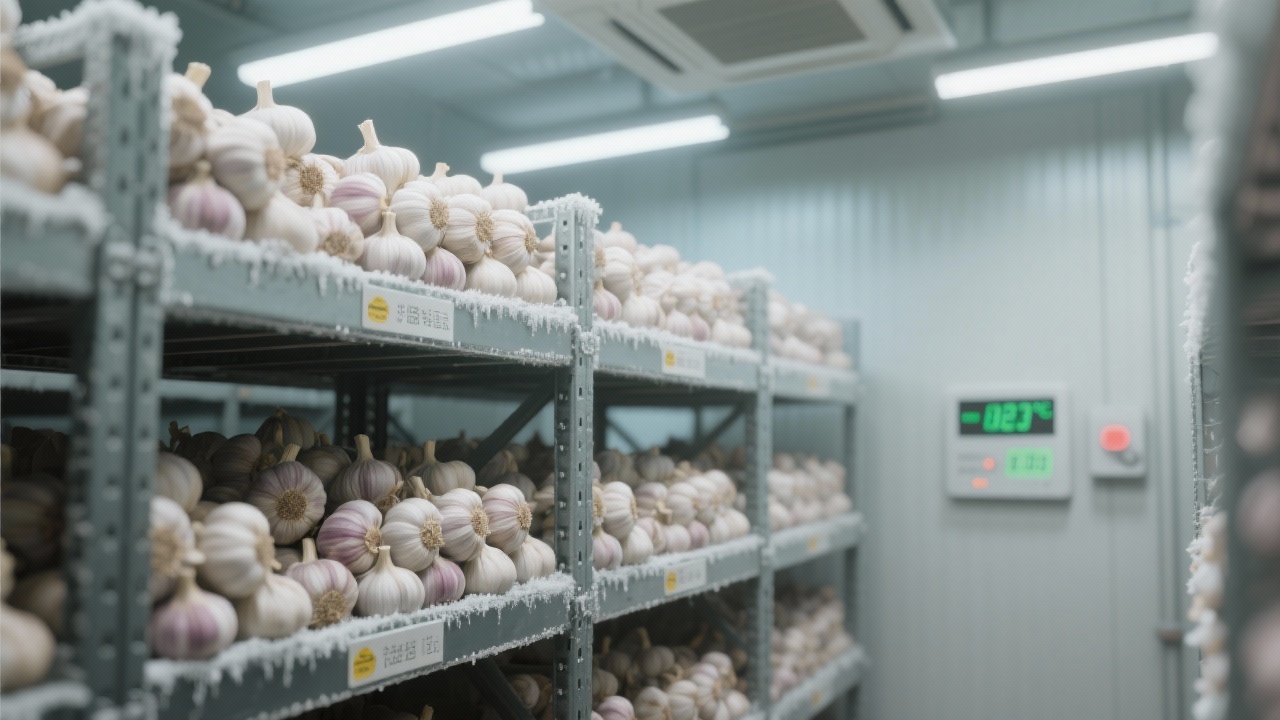
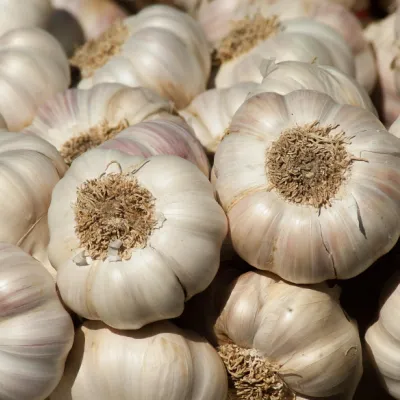
Selecting high - quality garlic is essential for achieving the desired flavor in dishes. There are three key indicators: no sprouts, no rot, and intact skin. Let's take a closer look at how to detect these qualities:
| Indicator | Inspection Method |
|---|---|
| No sprouts | Visually check the tip of the garlic. Sprouts usually emerge from the top. A garlic without sprouts is more likely to have a stronger flavor. |
| No rot | Hold the garlic and gently squeeze it. A soft or mushy feel indicates possible rot. Also, look for any discoloration or mold on the surface. |
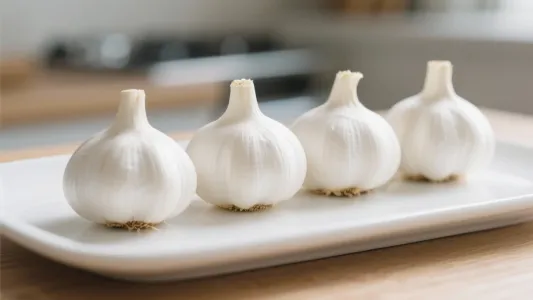
| Intact skin | Examine the outer skin of the garlic. A complete and unbroken skin protects the garlic from moisture and bacteria, preserving its freshness and flavor. |
For restaurants, establishing a standardized acceptance process for garlic is crucial to ensure consistent flavor in dishes. Here are the steps:
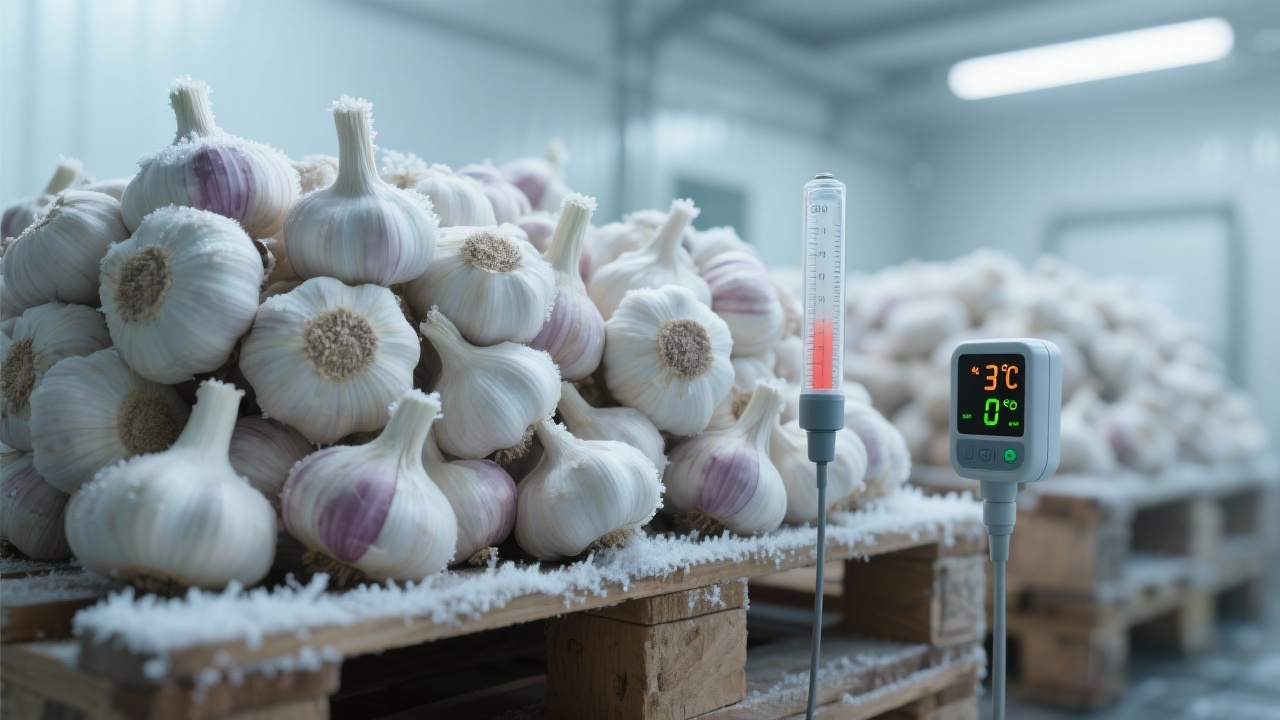
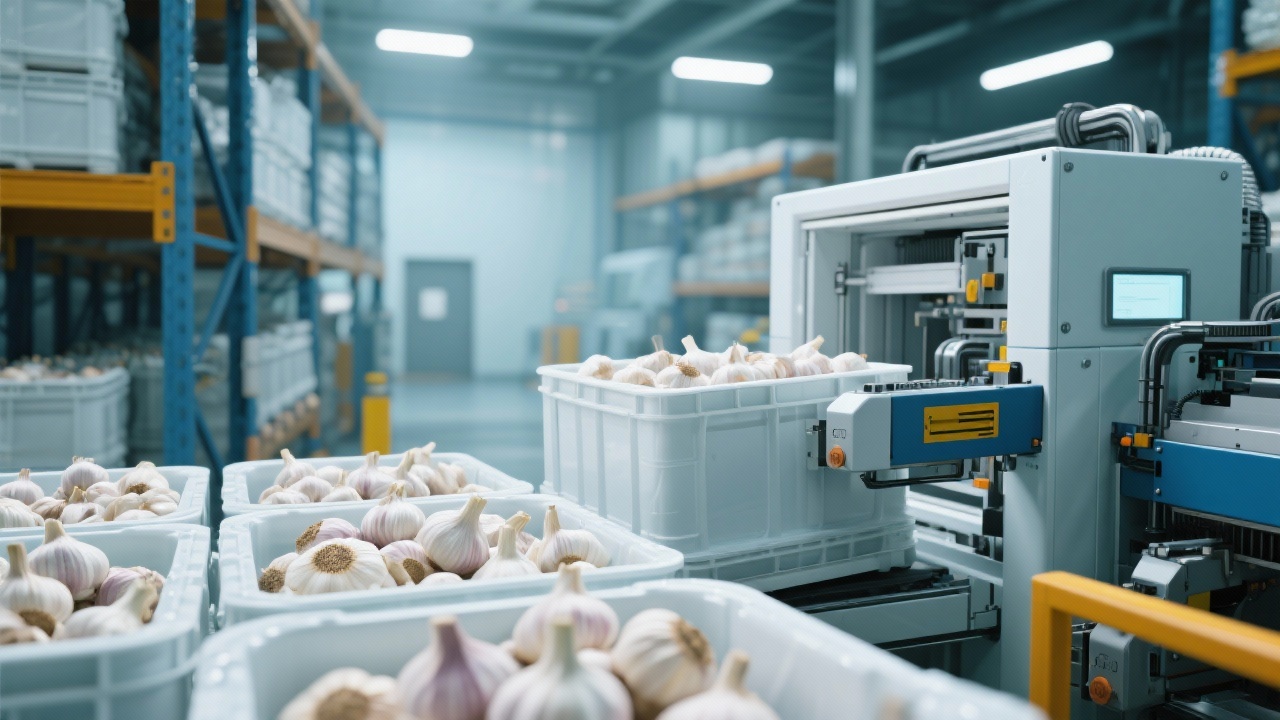
By following these steps, restaurants can maintain a stable flavor in their dishes, which in turn enhances customer satisfaction and promotes business growth. In fact, a study shows that restaurants with strict ingredient acceptance processes have seen a 20% increase in customer satisfaction ratings.
Let's look at some real - world examples. Restaurant A used to have inconsistent garlic quality, which led to fluctuations in the flavor of their signature Middle Eastern dishes. After implementing a standardized acceptance process, they were able to achieve a consistent flavor in every batch of dishes. On the other hand, Restaurant B did not pay much attention to garlic quality, and customers often complained about the lack of garlic flavor in their food.
In conclusion, understanding the flavor - release mechanism of A - grade garlic, selecting high - quality garlic, and establishing a standardized acceptance process are all essential steps for anyone involved in the food industry, whether you're a professional chef, a food purchaser, or a cooking enthusiast. If you want to learn more about how to establish a standardized acceptance process for garlic and other ingredients, click here to get a PDF guide.
 214
|
214
|
 A grade white garlic quality
garlic grading standards
white garlic procurement guide
no sprout garlic inspection
garlic quality assessment
A grade white garlic quality
garlic grading standards
white garlic procurement guide
no sprout garlic inspection
garlic quality assessment
 494
|
garlic cold chain storage
temperature control for garlic
cold chain logistics for agriculture
HACCP compliance in food transport
post-harvest handling of garlic
494
|
garlic cold chain storage
temperature control for garlic
cold chain logistics for agriculture
HACCP compliance in food transport
post-harvest handling of garlic
 457
|
year-round garlic supply
high-quality garlic cultivation
cold chain logistics for garlic
European garlic import
agricultural supply chain management
457
|
year-round garlic supply
high-quality garlic cultivation
cold chain logistics for garlic
European garlic import
agricultural supply chain management
 312
|
garlic cold storage
temperature-controlled garlic preservation
european cold chain technology
garlic shelf life extension
breathable packaging for garlic
312
|
garlic cold storage
temperature-controlled garlic preservation
european cold chain technology
garlic shelf life extension
breathable packaging for garlic
 221
|
High - quality white garlic identification
Grade A white garlic standards
Garlic quality detection
White garlic procurement guide
Garlic quality assessment
221
|
High - quality white garlic identification
Grade A white garlic standards
Garlic quality detection
White garlic procurement guide
Garlic quality assessment
.png?x-oss-process=image/resize,h_600,m_lfit/format,webp)







_(2).jpg?x-oss-process=image/resize,m_fill,h_200,w_200/format,webp)


.png?x-oss-process=image/resize,h_200,m_lfit/format,webp)





 TikTok
 Facebook