
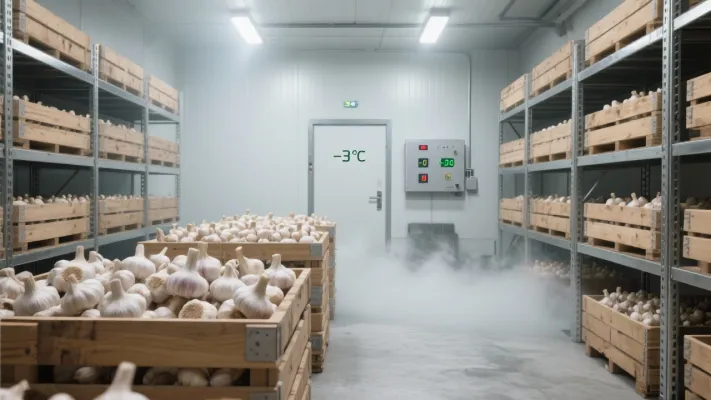
In the bustling Middle Eastern culinary market, garlic stands as an indispensable ingredient, adding a unique and robust flavor to numerous traditional dishes. However, it's a common headache for many restaurant operators and purchasing decision - makers that sometimes the garlic they cook doesn't release the expected aroma. This article aims to address this issue by introducing a practical and efficient method to identify high - quality Grade A garlic.
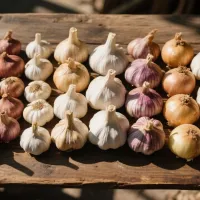
In the Middle Eastern market, four main types of garlic are prevalent: pure white garlic, large white garlic, red garlic, and purple garlic. Each variety has distinct flavor profiles and cooking suitability. For example, pure white garlic is known for its mild and sweet taste, making it ideal for dishes where a delicate garlic flavor is desired, such as light - flavored stews or fresh salads. It accounts for approximately 30% of the total garlic consumption in the Middle Eastern catering industry.
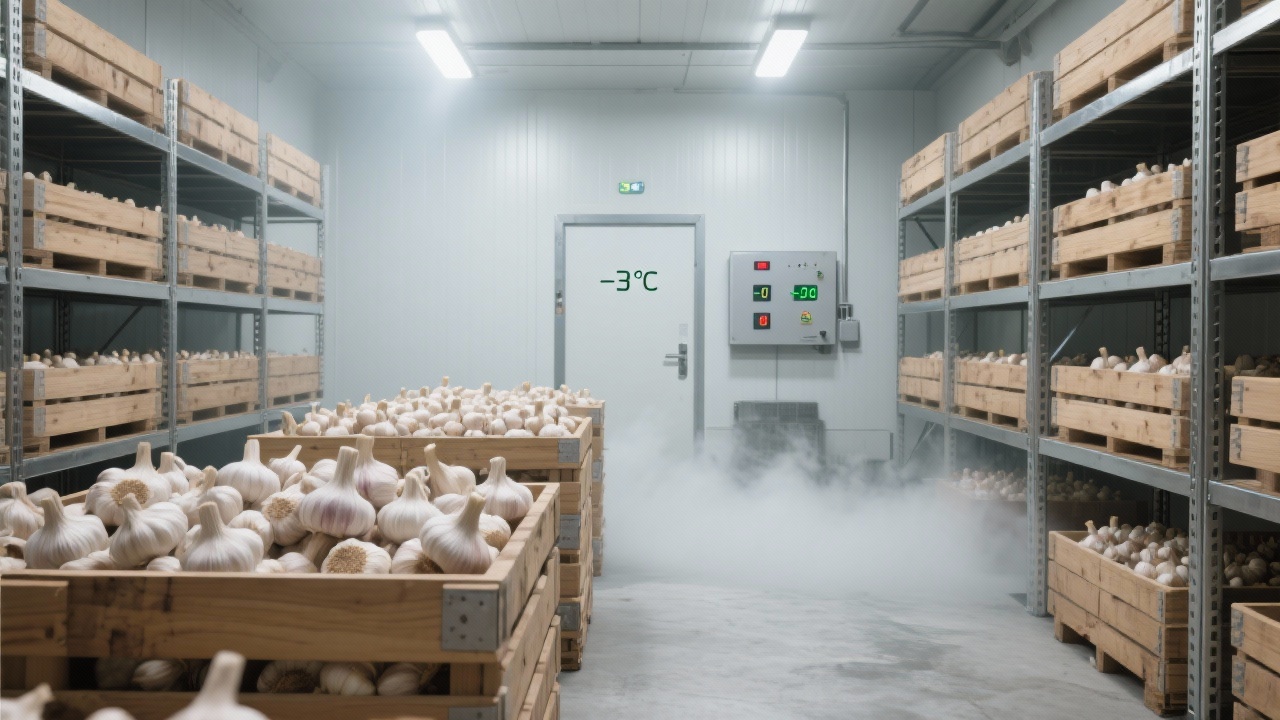
Large white garlic, with its strong and pungent flavor, is commonly used in heartier dishes like meat kebabs and spicy curries. It takes up about 40% of the market share. Red garlic and purple garlic, on the other hand, have a more complex and slightly spicy flavor, often used in marinades and speciality sauces, making up the remaining 30% of the market.
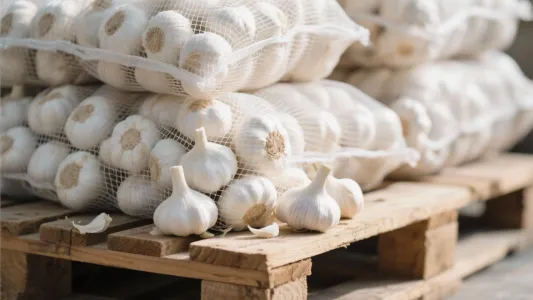
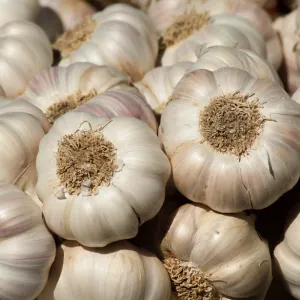
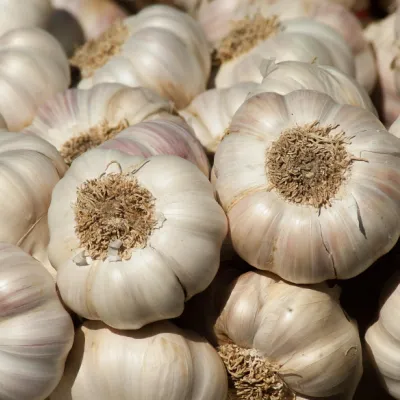
To ensure the quality of garlic, there are three crucial indicators to consider. First, the garlic should be free of sprouts. Sprouted garlic not only loses its flavor but also contains less nutritional value. According to industry research, sprouted garlic can reduce the flavor intensity by up to 30%. Second, there should be no signs of rot. Rotten garlic can contaminate the entire batch and spoil the taste of the dishes. Finally, the outer skin should be intact. A damaged skin makes the garlic more susceptible to moisture and bacteria, reducing its shelf - life and quality.
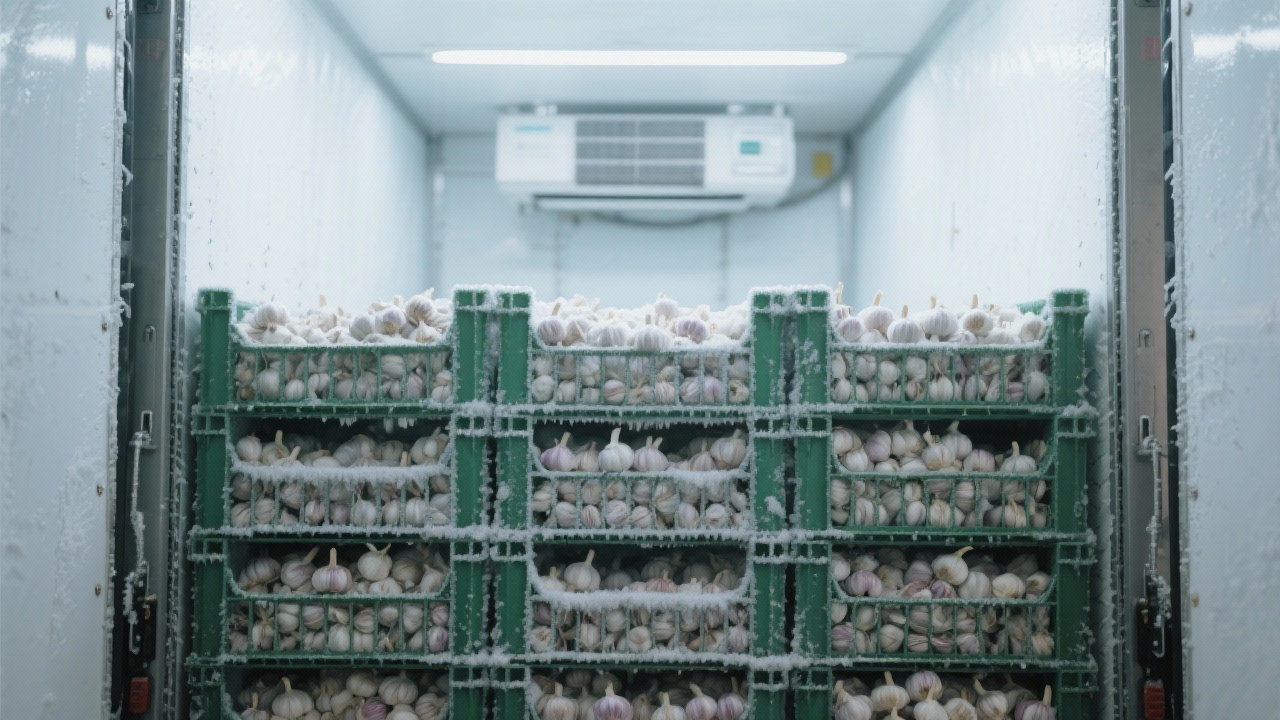
One of the most effective ways to quickly identify high - quality garlic is the light - press method. When you gently press the garlic bulb, a high - quality one should feel firm and solid. If it's soft or mushy, it may be spoiled or starting to rot. Additionally, checking the dryness of the roots is also important. Dry roots indicate that the garlic has been properly stored and is less likely to be moldy.
By implementing a standardized acceptance process, restaurants can ensure the consistency and stability of their garlic supply. This process can significantly improve the quality of the dishes and enhance customer satisfaction. According to industry experience, restaurants that have established such a process have reported a 20% increase in customer satisfaction scores related to the taste of garlic - flavored dishes.
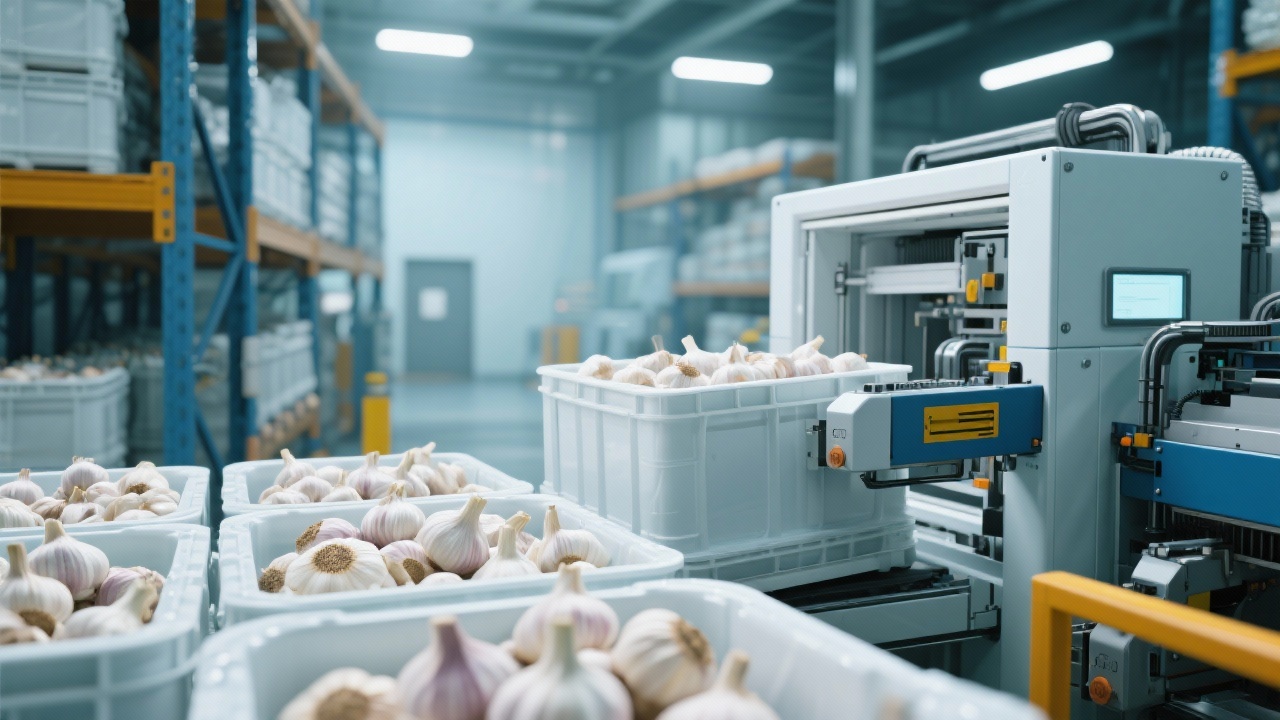
In conclusion, understanding the differences between garlic varieties and mastering the skills to identify high - quality garlic are essential for anyone in the Middle Eastern catering and purchasing industry. By following the methods and indicators mentioned in this article, you can make more informed purchasing decisions and ensure the excellent taste of your dishes.
Interested in learning more about how to establish raw material acceptance standards? Click here to get your PDF guide.

 277
|
277
|
 Organic ginger applications
Ginger essential oil production
Health benefits of ginger
Ginger pickling methods
Ginger cooking techniques
Organic ginger applications
Ginger essential oil production
Health benefits of ginger
Ginger pickling methods
Ginger cooking techniques
 291
|
fresh garlic quality judgment
foreign trade garlic procurement mistakes
garlic storage methods
agricultural product quality identification
cold - storage preservation technology
291
|
fresh garlic quality judgment
foreign trade garlic procurement mistakes
garlic storage methods
agricultural product quality identification
cold - storage preservation technology
 479
|
Garlic variety selection
Kitchen management solution
Export garlic packaging
International cuisine garlic usage skills
10kg mesh bagged garlic
479
|
Garlic variety selection
Kitchen management solution
Export garlic packaging
International cuisine garlic usage skills
10kg mesh bagged garlic
 223
|
mesh bag packaging
garlic preservation
cold chain logistics
agricultural product transportation
ventilation packaging solutions
223
|
mesh bag packaging
garlic preservation
cold chain logistics
agricultural product transportation
ventilation packaging solutions
 408
|
organic ginger cultivation
ecological pest management ginger
export-grade ginger quality
pesticide-free fresh ginger
high-quality organic ginger
408
|
organic ginger cultivation
ecological pest management ginger
export-grade ginger quality
pesticide-free fresh ginger
high-quality organic ginger


.png?x-oss-process=image/resize,h_600,m_lfit/format,webp)





_(2).jpg?x-oss-process=image/resize,m_fill,h_200,w_200/format,webp)


.png?x-oss-process=image/resize,h_200,m_lfit/format,webp)





 TikTok
 Facebook