
Global agricultural product exports are facing a significant challenge: high losses. It is estimated that on a global scale, up to 30 - 40% of agricultural products are lost during the export process. These losses not only cause direct economic losses to producers and exporters but also have a negative impact on the stability of the international agricultural product trade market. The high - loss rate leads to increased costs, which are ultimately passed on to consumers, affecting the competitiveness of agricultural products in the international market.
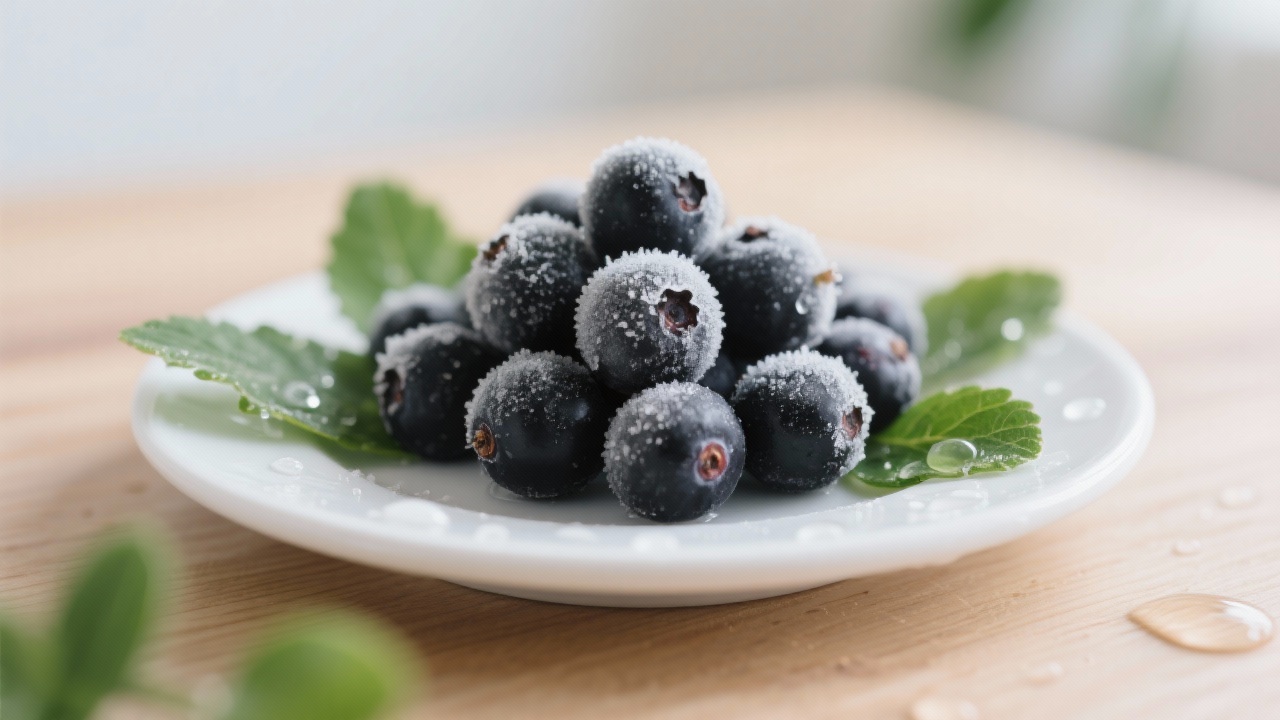
From a scientific perspective, the temperature range of -3°C to 0°C is crucial for garlic storage. At this temperature, the metabolic rate of garlic is effectively slowed down. Garlic is a living organism, and its internal biochemical reactions continue during storage. Lower temperatures can inhibit the activity of enzymes involved in these reactions, thereby reducing the consumption of nutrients such as carbohydrates and proteins.
Microorganisms are one of the main causes of garlic spoilage. Most microorganisms grow and reproduce rapidly at room temperature. However, in the -3°C to 0°C range, the growth and reproduction of microorganisms are significantly inhibited. For example, bacteria and fungi need a certain temperature and humidity environment to survive. The low - temperature environment in this range can make it difficult for them to obtain the necessary conditions for growth, thus reducing the risk of garlic spoilage.
| Indicators | Traditional Warehousing | Cold - Chain Logistics |
|---|---|---|
| Loss Rate | In traditional warehousing, the loss rate of garlic can reach 20 - 30% due to factors such as improper temperature and humidity control, and pest infestation. | With cold - chain logistics, the loss rate can be reduced to less than 5% by maintaining a stable temperature and humidity environment. |
| Nutrition Retention | Traditional warehousing often fails to effectively retain the nutrients in garlic. For example, the content of vitamin C can be reduced by 30 - 40% during storage. | Cold - chain logistics can retain more than 90% of the vitamin C and other antioxidant substances in garlic, ensuring its nutritional value. |
| Consistency | The quality of garlic in traditional warehousing is often inconsistent, with differences in freshness, color, and texture. | Cold - chain logistics can ensure high - quality consistency of garlic, which is very important for meeting the requirements of large - scale buyers. |
In a real - world supply chain, there have been many cases related to temperature control. For example, a garlic exporter once used traditional warehousing for long - term storage. Due to the lack of proper temperature control, a large number of garlic bulbs were moldy and rotted, resulting in a loss of up to 40% of the total shipment. On the other hand, a logistics service provider adopted strict cold - chain logistics for garlic transportation and storage. By maintaining the temperature between -3°C and 0°C, they successfully reduced the loss rate to less than 3% and received high praise from customers for the high - quality garlic they provided.
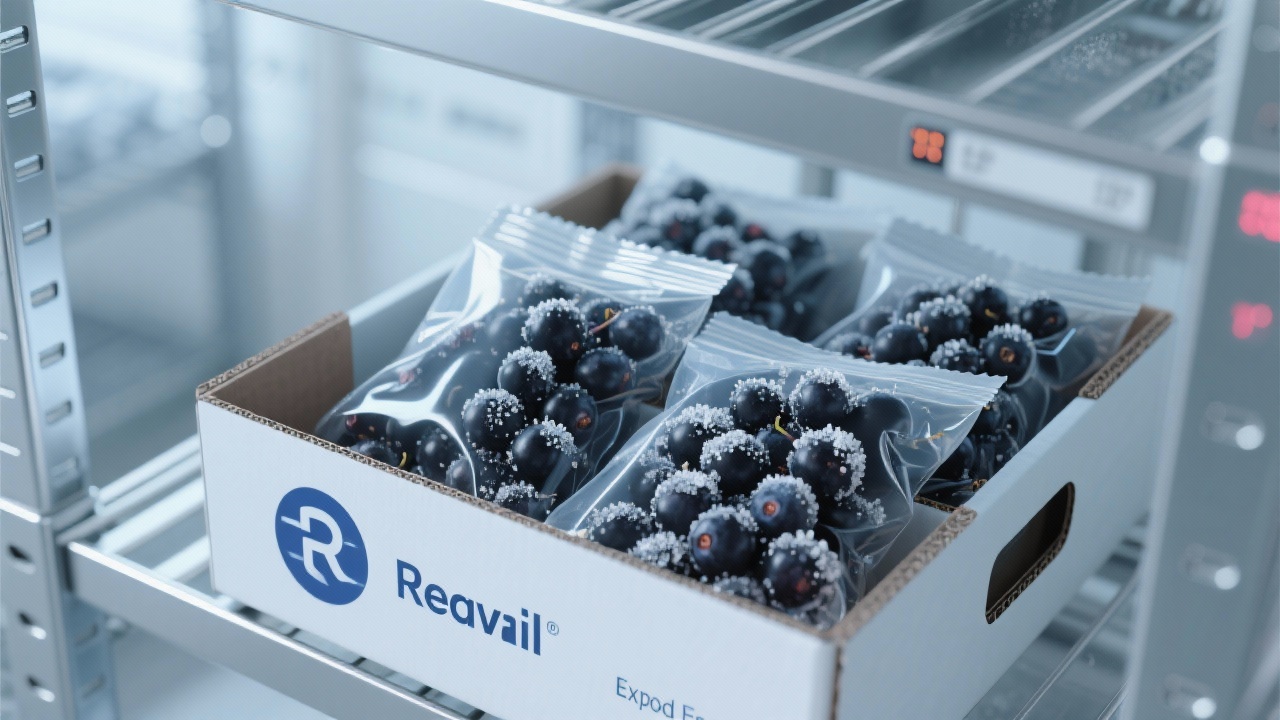
In the field of agricultural product cold - chain logistics, compliance with international certification systems such as HACCP (Hazard Analysis and Critical Control Points) and GMP (Good Manufacturing Practice) is of great importance. These systems provide a standardized framework for cold - chain management, ensuring that every link in the supply chain meets strict quality and safety requirements. For example, HACCP requires a systematic analysis of potential hazards in the cold - chain process and the establishment of critical control points to prevent and control these hazards.
"HACCP is a systematic approach to the identification, evaluation, and control of food safety hazards. In the context of agricultural product cold - chain logistics, it can help ensure that the temperature, humidity, and other environmental factors are strictly controlled to prevent food safety issues." - HACCP Standard
In conclusion, the application of cold - chain preservation technology in the agricultural product industry is of great significance. It can effectively reduce losses, retain nutrients, and improve the consistency of product quality. Whether you are a purchaser, a logistics service provider, or an agricultural practitioner, optimizing your cold - chain management is the key to building an efficient and stable international supply chain. Don't miss this opportunity to enhance your competitiveness in the international market!
立即获取《农产品冷链自查清单》 (Get the Agricultural Product Cold - Chain Self - Check List Now!)
.png?x-oss-process=image/resize,h_600,m_lfit/format,webp)




.png?x-oss-process=image/resize,h_200,m_lfit/format,webp)





 TikTok
 Facebook