
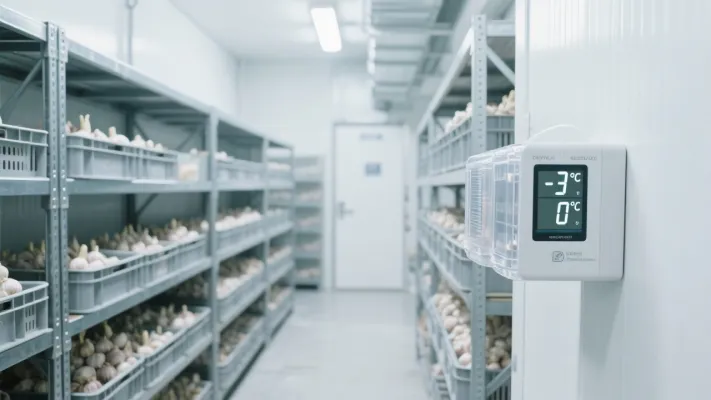
In the dynamic landscape of the Middle Eastern food industry, ensuring a stable supply of high - quality A - grade garlic is crucial for restaurants and food service providers. This article offers a comprehensive guide on establishing a standardized garlic raw material acceptance process, tailored to the unique demands of the Middle Eastern market.
The Middle Eastern market has a strong preference for A - grade garlic, which is known for its intense flavor and natural taste. Different varieties of garlic, such as pure white garlic, large white garlic, red garlic, and purple garlic, play distinct roles in Middle Eastern kitchens. For example, red garlic, with its slightly spicy and rich flavor, is often used in stews and meat dishes to add depth. Purple garlic, on the other hand, has a milder flavor and is suitable for salads and light sauces. By understanding these differences, restaurant owners can better match the garlic variety with the specific dishes they offer.
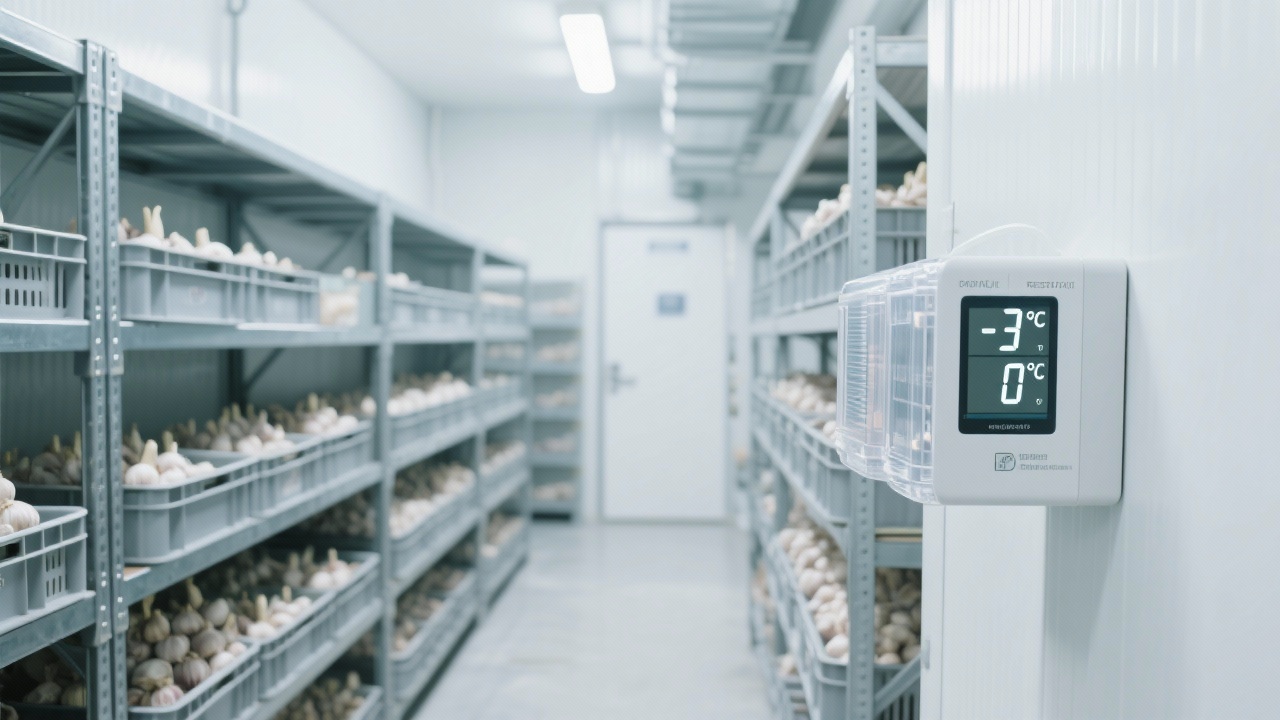
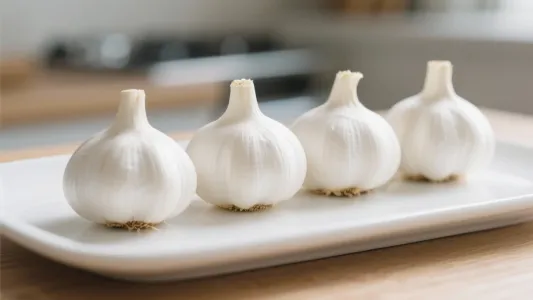
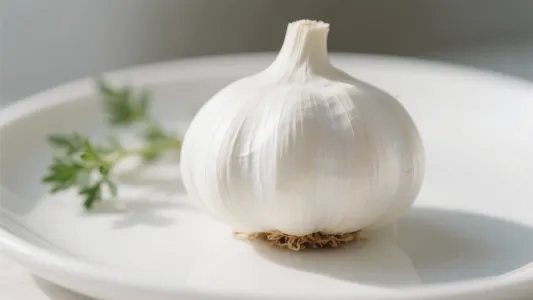
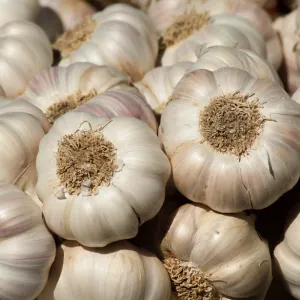
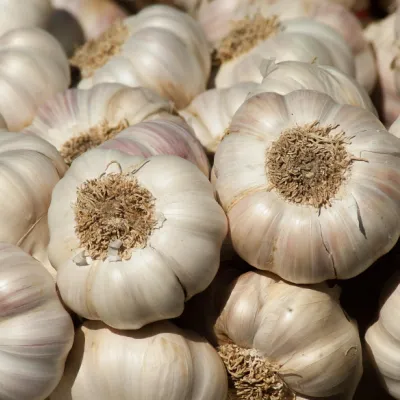
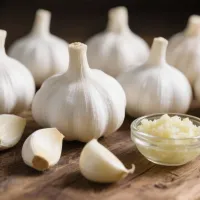
There are three main standards for identifying high - quality garlic. First, appearance matters. High - quality garlic should have intact cloves, without any signs of mold, rot, or damage. Second, size is an important factor. Larger cloves generally indicate better - developed garlic with more flavor. Third, the skin of the garlic should be dry and papery, which is a sign of proper storage and freshness.
When it comes to on - site detection, there are several practical methods. For appearance inspection, simply look at the garlic cloves carefully. To test the firmness, gently squeeze the cloves. A high - quality clove should be firm and not soft or spongy. Additionally, smell the garlic. A fresh and high - quality garlic should have a strong, pungent aroma. If it has a musty or sour smell, it may be of poor quality.
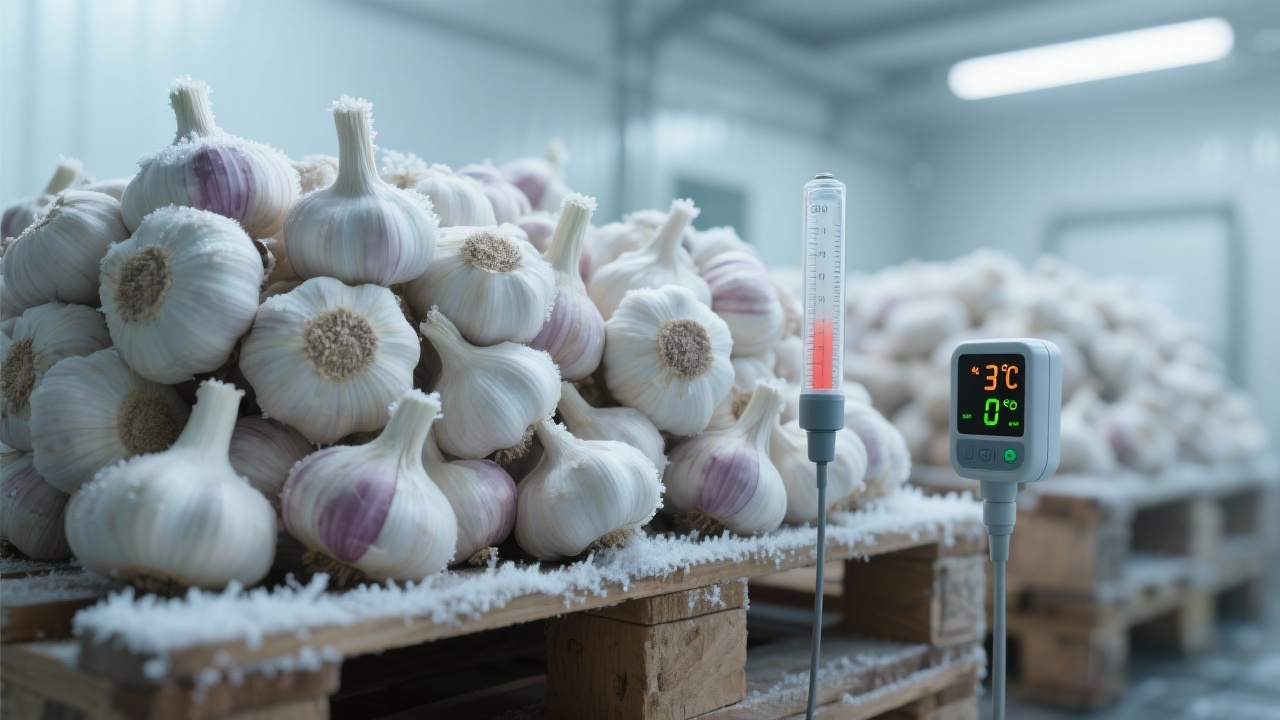
To ensure a stable supply and consistent quality of garlic, a standardized acceptance process is essential. First, define clear acceptance criteria based on the three identification standards mentioned above. Then, train your procurement staff on these criteria and the detection methods. During the acceptance process, use a checklist to record the inspection results for each batch of garlic. This will help you track the quality of the supply and identify any potential issues early.
Another important aspect is to build a good relationship with your garlic suppliers. Regularly communicate with them about your quality requirements and provide feedback on the delivered garlic. This will encourage them to maintain a high - quality supply.
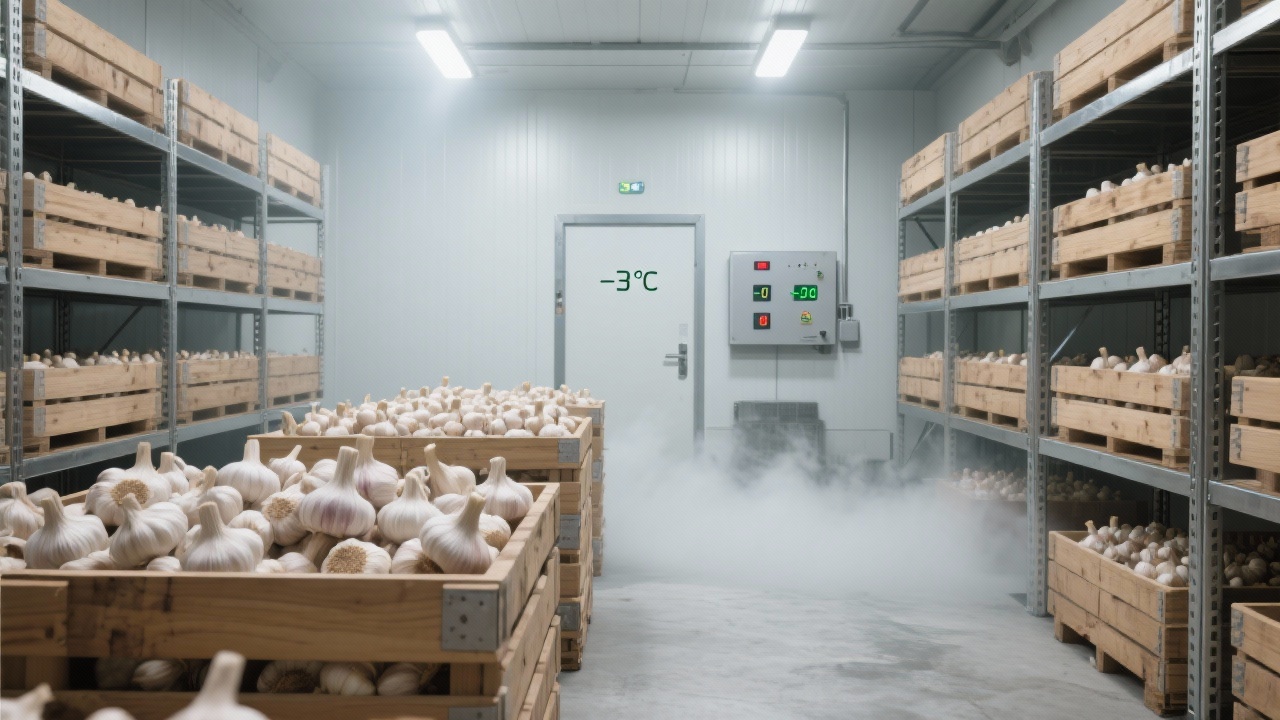
By implementing a standardized raw material acceptance process, restaurants can ensure a stable supply of high - quality A - grade garlic, which in turn will lead to more consistent cooking results and higher customer satisfaction. This will ultimately enhance the competitiveness of the restaurant in the Middle Eastern market.
Learn more about how to establish a raw material acceptance standard? Click to get the PDF guide
 111
|
111
|
 Grade A white garlic
white garlic quality standards
white garlic inspection methods
garlic grading criteria
white garlic procurement tips
Grade A white garlic
white garlic quality standards
white garlic inspection methods
garlic grading criteria
white garlic procurement tips
 66
|
garlic grading standards
red garlic nutrition
purple garlic cooking uses
garlic selection guide
cold chain storage for garlic
66
|
garlic grading standards
red garlic nutrition
purple garlic cooking uses
garlic selection guide
cold chain storage for garlic
 491
|
Grade A white garlic grading
High - quality garlic identification
White garlic quality standards
Garlic procurement techniques
Chinese - produced white garlic
491
|
Grade A white garlic grading
High - quality garlic identification
White garlic quality standards
Garlic procurement techniques
Chinese - produced white garlic
 36
|
fresh ginger health benefits
gingerol effects
curcumin nutrition
functional food ingredients
natural immune support
36
|
fresh ginger health benefits
gingerol effects
curcumin nutrition
functional food ingredients
natural immune support
 173
|
Garlic selection skills
Garlic storage methods
Fresh garlic preservation
Mesh bag packaging advantages
Export - grade garlic quality
173
|
Garlic selection skills
Garlic storage methods
Fresh garlic preservation
Mesh bag packaging advantages
Export - grade garlic quality


.png?x-oss-process=image/resize,h_600,m_lfit/format,webp)









.png?x-oss-process=image/resize,h_200,m_lfit/format,webp)





 TikTok
 Facebook