
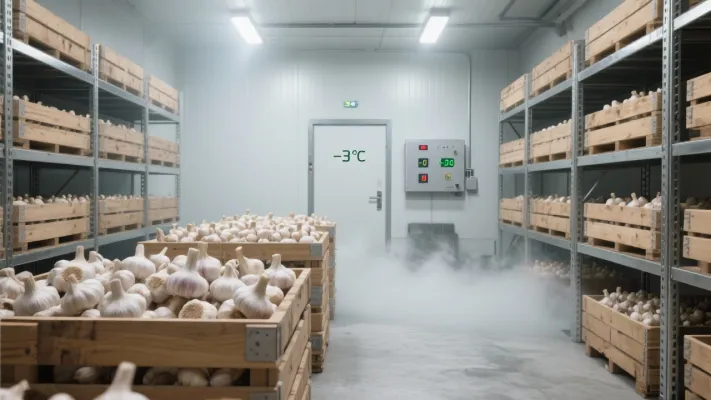
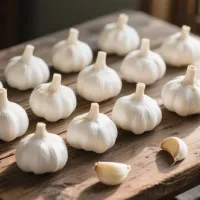
For export-oriented food suppliers targeting the Middle East, consistency in raw materials isn’t just a preference—it’s a competitive necessity. A single batch of subpar garlic can disrupt a restaurant’s menu, damage your brand reputation, and cost you repeat business. In this guide, we break down how to build a standardized garlic acceptance process that aligns with the region’s high expectations for flavor intensity, freshness, and reliability.
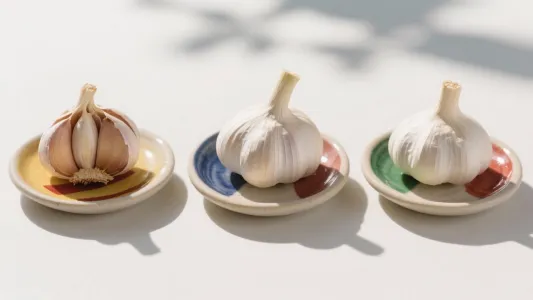
In markets like Saudi Arabia, UAE, and Qatar, chefs don’t just use garlic—they leverage its unique profiles to enhance traditional dishes. According to a 2023 survey by Foodservice Middle East Magazine, over 78% of fine-dining restaurants in Dubai prioritize sourcing from suppliers who provide variety-specific garlic (white, red, purple). Here's why:
Understanding these differences ensures your clients get exactly what they need—not just “garlic,” but the right kind of garlic for their culinary vision.
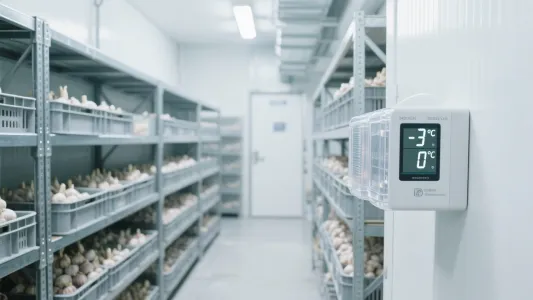
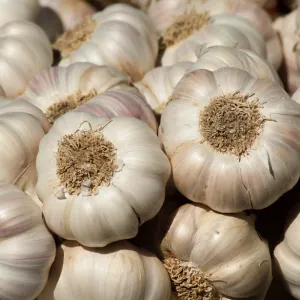
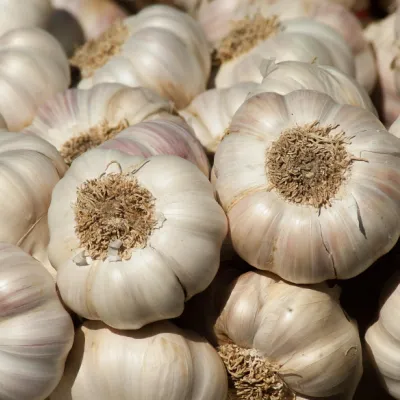
To meet global standards and exceed customer expectations, focus on three core indicators when inspecting garlic batches:
These checks aren’t optional—they’re foundational to building trust with international buyers who expect precision in every delivery.
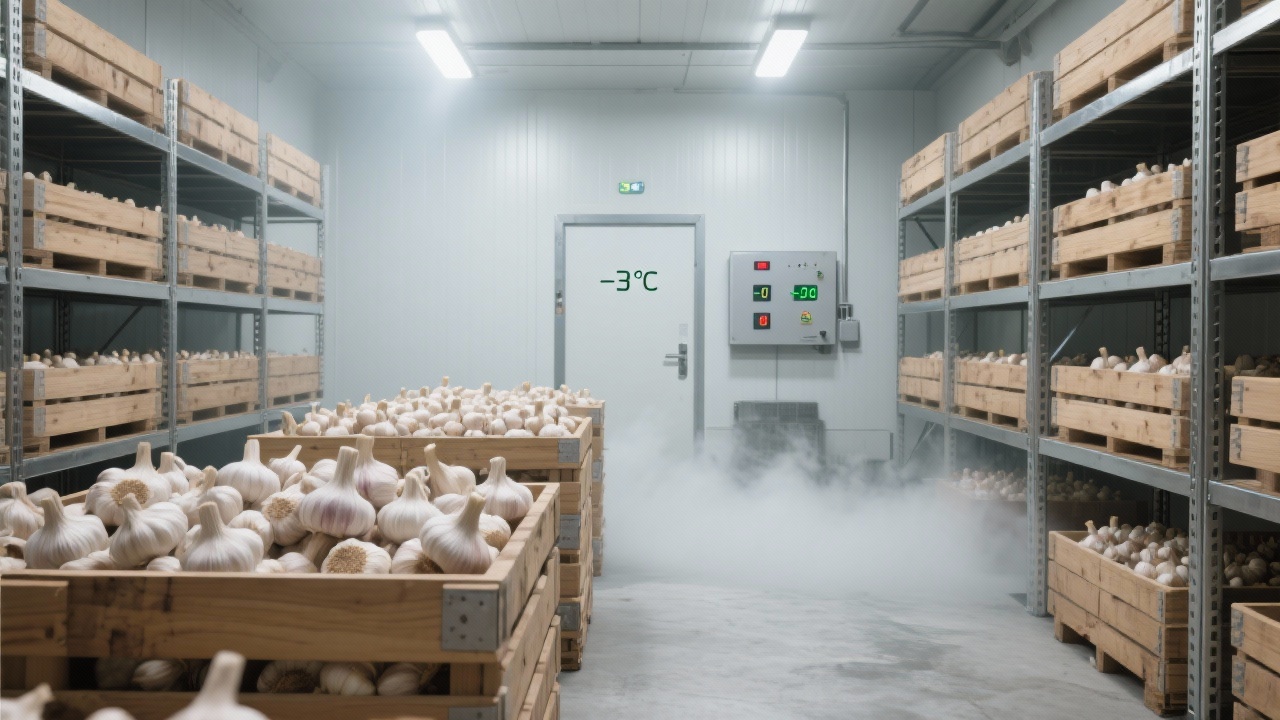
Once you’ve mastered identification, implement a structured acceptance protocol. This includes:
This approach reduces complaints by up to 65%, according to a 2022 case study published by Global Food Supply Chain Insights. It also positions your company as a partner—not just a vendor.
Pro Tip: Train your QA team in cultural sensitivity—many Middle Eastern buyers value personal relationships more than contracts. A quick call after delivery showing care for their experience builds loyalty fast.
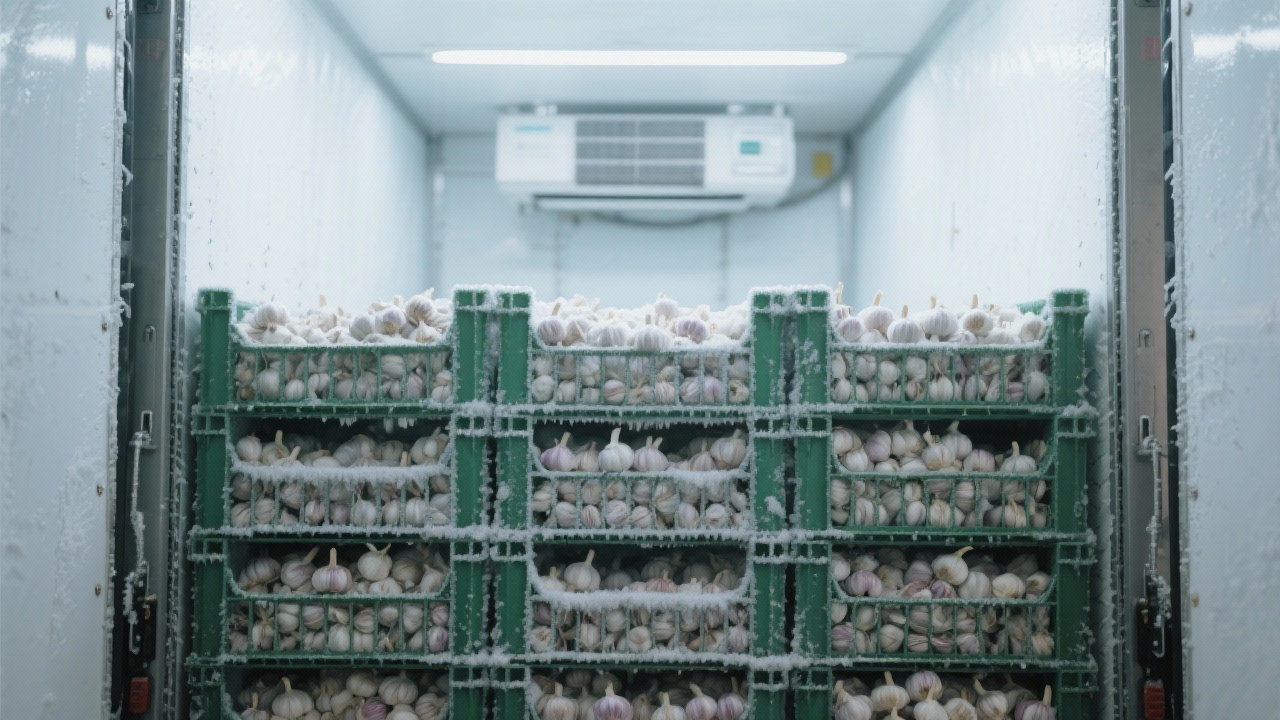
When your garlic meets exacting standards—and your process is transparent—you’re not just selling a product. You’re offering peace of mind to chefs who depend on consistent ingredients to deliver unforgettable meals.
Download our free PDF guide: "How to Build a Restaurant-Grade Garlic Acceptance Protocol" — complete with templates, checklists, and real-world examples from successful exporters.
Get the Free Guide Now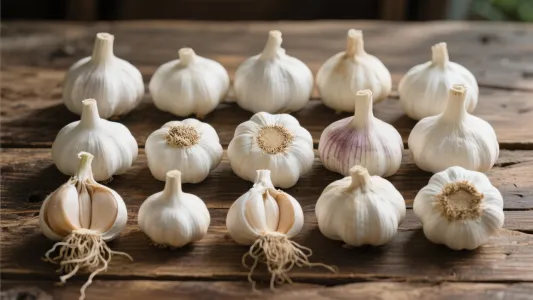
 113
|
113
|
 How to select white garlic
Uses of red garlic
Cooking scenarios for purple garlic
Differences between garlic varieties
Overseas garlic procurement guide
How to select white garlic
Uses of red garlic
Cooking scenarios for purple garlic
Differences between garlic varieties
Overseas garlic procurement guide
 60
|
garlic selection tips
garlic storage methods
fresh garlic packaging
garlic保鲜技巧
garlic supply chain optimization
60
|
garlic selection tips
garlic storage methods
fresh garlic packaging
garlic保鲜技巧
garlic supply chain optimization
 311
|
fresh garlic quality assessment
garlic storage methods
refrigerated garlic preservation
best practices for garlic storage
export garlic standards
311
|
fresh garlic quality assessment
garlic storage methods
refrigerated garlic preservation
best practices for garlic storage
export garlic standards
 387
|
Grade A white garlic quality
sprout-free garlic standard
premium garlic inspection methods
garlic storage technology
international garlic sourcing
387
|
Grade A white garlic quality
sprout-free garlic standard
premium garlic inspection methods
garlic storage technology
international garlic sourcing
 141
|
Garlic preservation
Cold storage temperature control
Food freshness
Cold chain warehousing
Garlic storage techniques
141
|
Garlic preservation
Cold storage temperature control
Food freshness
Cold chain warehousing
Garlic storage techniques


.png?x-oss-process=image/resize,h_600,m_lfit/format,webp)






.png?x-oss-process=image/resize,h_200,m_lfit/format,webp)





 TikTok
 Facebook