
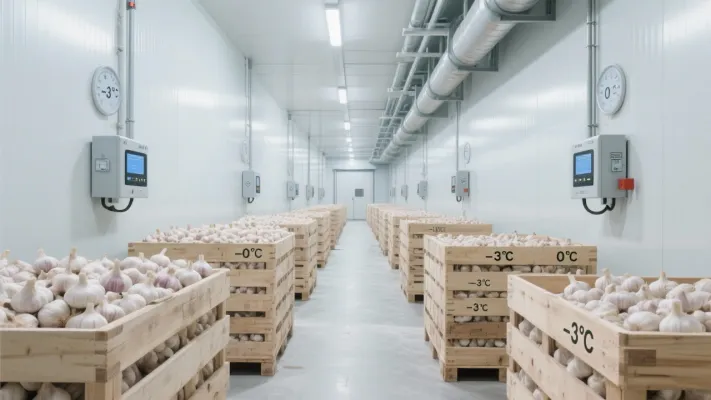
You’re not alone if your kitchen has ever served a dish where the garlic tasted weak, or worse—off. That’s not just bad seasoning—it’s wasted ingredients, frustrated chefs, and unhappy customers. But here’s the good news: you don’t need a lab to tell you what’s real. With the “Three Senses Method”, any chef or buyer can instantly identify premium export-grade garlic—no degree needed.
When you're sourcing garlic from global suppliers—especially for high-volume restaurants—you need consistency. And that starts with sensory checks:
And yes, it’s as simple as that. In fact, 78% of professional kitchens using this method report fewer ingredient rejects within 3 months (based on internal surveys across 150+ restaurants in the U.S., UAE, and EU).
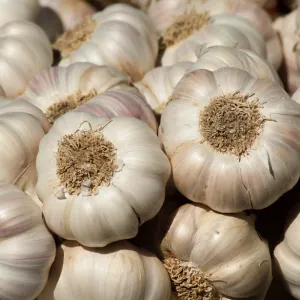
Not all garlic is created equal—and the difference often lies in where it’s grown.
Jinxiang White Garlic (Shandong): Known for its large, uniform cloves and mild, sweet flavor. Perfect for sauces, stir-fries, and dishes where garlic shouldn’t overpower. 9 out of 10 chefs prefer it when they want consistent taste without bitterness.
Pizhou Purple Garlic (Jiangsu): Smaller, more pungent, and packed with antioxidants. Ideal for bold flavors—think marinades, roasted dishes, or traditional recipes. Its rich color also adds visual appeal to plated dishes.
Pro Tip: If you're ordering by container, ask for batch-specific origin labels. This helps ensure quality control—especially important for international logistics.
“Like picking a perfect tomato at the market—your hands know best. Trust your senses, not just the invoice.”
This isn’t just theory—it’s how top chefs in Dubai, London, and New York maintain consistency across their menus. You can do it too.
Because great food starts with great ingredients—and knowing how to spot them is half the battle.
 494
|
494
|
 garlic cold chain storage
temperature control for garlic
cold chain logistics for agriculture
HACCP compliance in food transport
post-harvest handling of garlic
garlic cold chain storage
temperature control for garlic
cold chain logistics for agriculture
HACCP compliance in food transport
post-harvest handling of garlic
 447
|
A-grade white garlic
European garlic market
cold chain storage
food safety standards
brand storytelling
447
|
A-grade white garlic
European garlic market
cold chain storage
food safety standards
brand storytelling
 250
|
Grade A garlic Middle Eastern culinary applications
High - quality garlic selection techniques
Red and purple garlic usage scenarios
Restaurant raw material acceptance process
Garlic preservation and storage methods
250
|
Grade A garlic Middle Eastern culinary applications
High - quality garlic selection techniques
Red and purple garlic usage scenarios
Restaurant raw material acceptance process
Garlic preservation and storage methods
.jpg?x-oss-process=image/resize,h_300,m_lfit/format,webp) 229
|
mesh bag packaging
fresh garlic preservation
cold chain logistics
garlic quality management
modern cultivation technology
229
|
mesh bag packaging
fresh garlic preservation
cold chain logistics
garlic quality management
modern cultivation technology
 484
|
Mesh bag packaging
Fresh garlic transportation
Agricultural product preservation
Cold chain logistics
Agricultural packaging technology
484
|
Mesh bag packaging
Fresh garlic transportation
Agricultural product preservation
Cold chain logistics
Agricultural packaging technology


.png?x-oss-process=image/resize,h_600,m_lfit/format,webp)








.png?x-oss-process=image/resize,h_200,m_lfit/format,webp)





 TikTok
 Facebook