
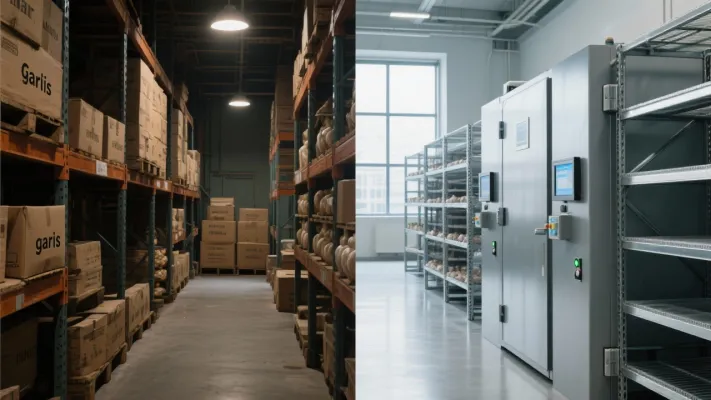
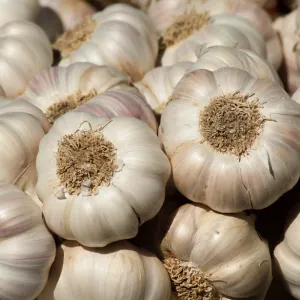
In the global agricultural trade landscape, few commodities have sparked as much discussion as Chinese garlic, particularly the premium-grade produce from Shandong province. International buyers often wonder: How does Shandong garlic consistently pass the stringent EU pesticide residue tests that many competitors struggle with? The answer lies in a sophisticated agricultural standardization system that has been refined over decades, combining traditional farming wisdom with modern technology.
Shandong's unique environmental advantages provide the first layer of quality assurance. With an average annual temperature of 11-14°C, 2,200-2,800 hours of sunshine, and well-drained loamy soil with pH levels between 6.0-7.0, the region creates an ideal growing environment for garlic. But favorable natural conditions alone don't guarantee EU compliance.
The province's innovative crop rotation system represents a cornerstone of its success. Instead of continuous garlic cultivation, farmers implement a 3-year rotation cycle with leguminous crops and wheat. This practice has reduced soil-borne diseases by 47% compared to monoculture farming, while increasing organic matter content by an average of 0.8% annually, according to data from Shandong Agricultural University's 2022 research report.
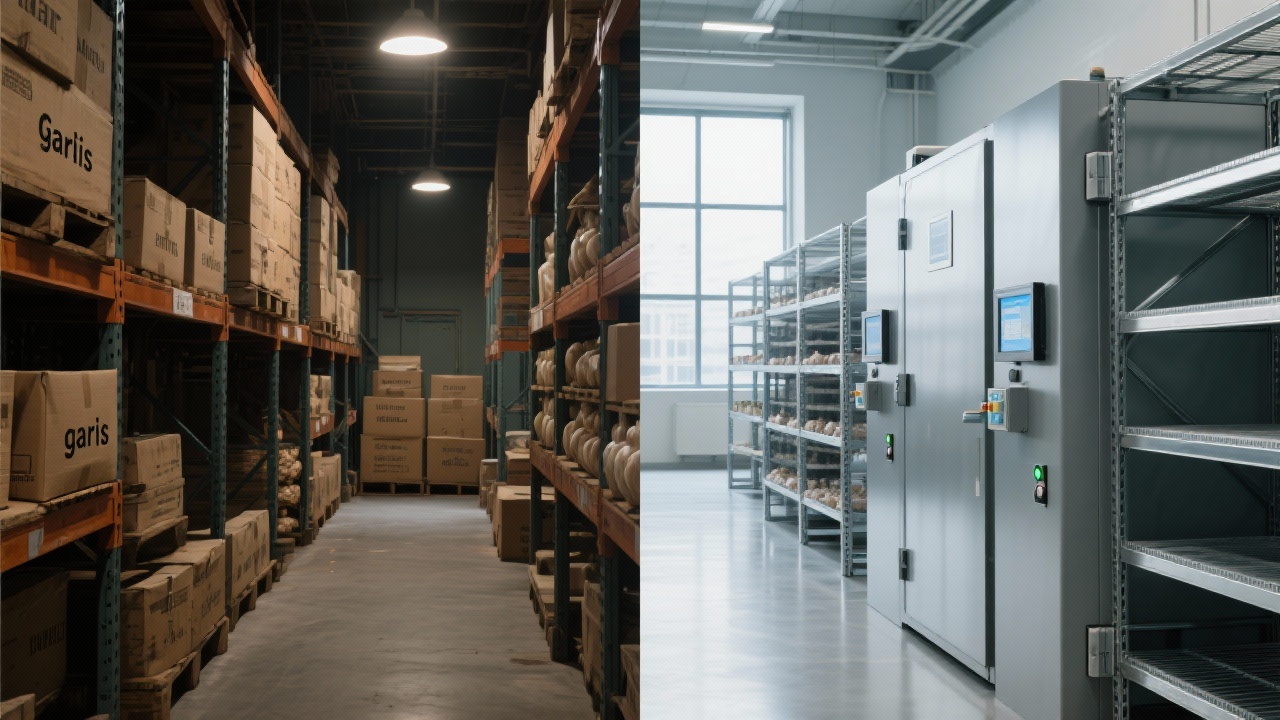
Modern Shandong garlic farms have adopted intelligent drip irrigation systems that deliver water and nutrients directly to the root zone. This technology reduces water usage by 35% compared to traditional flood irrigation while increasing fertilizer efficiency by 28%. Each garlic plant receives precisely 2.3 liters of water per week during the bulb formation stage, monitored by soil moisture sensors that transmit data in real-time to farm management systems.
The EU's maximum residue limits (MRLs) for pesticides represent one of the world's strictest standards. Shandong's integrated pest management system addresses this challenge through a multi-layered approach: pest forecasting models that predict infestations with 85% accuracy, pheromone traps that reduce insect populations by 60%, and botanical pesticides derived from chrysanthemum extracts. These methods have resulted in a 92% reduction in synthetic pesticide usage over the past decade.
Timing and technique during harvest significantly impact garlic quality. Shandong's standardized farms use specialized garlic harvesters that lift bulbs with minimal soil disturbance and damage. The mechanized process ensures that 98% of bulbs remain intact, compared to 75% with manual harvesting. Harvesting is strictly scheduled based on plant maturity indicators, typically when 4-5 leaves remain green and the neck begins to soften.
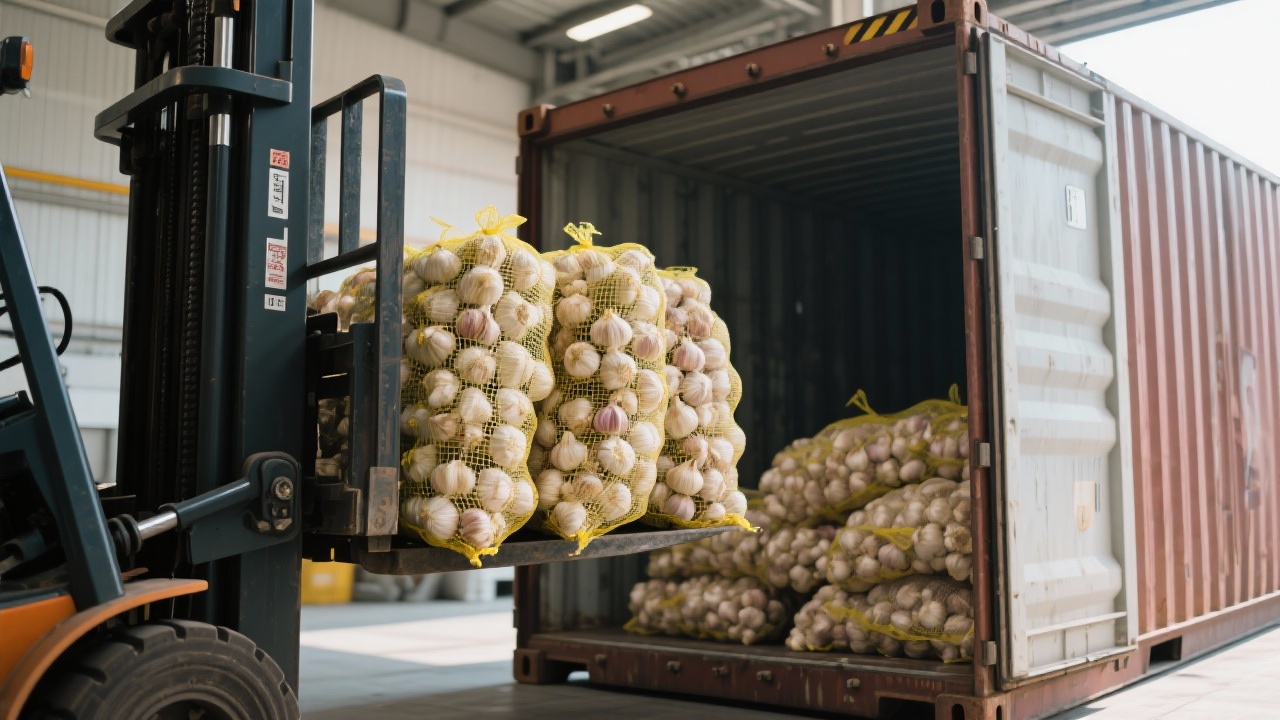
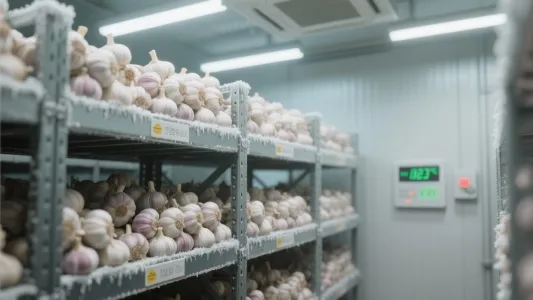
The journey from field to market requires precise post-harvest handling. Within 2 hours of harvest, Shandong garlic undergoes forced-air pre-cooling, rapidly reducing the bulb temperature from field temperature (25-30°C) to 4°C. This process preserves cellular structure and slows respiration, extending shelf life by up to 45 days compared to traditional ambient cooling methods.
| Storage Period | Traditional Method | Standardized Method |
|---|---|---|
| 1 Month | 8-10% | 2-3% |
| 3 Months | 25-30% | 6-8% |
| 6 Months | 45-50% | 12-15% |
After pre-cooling, garlic enters a fully integrated cold chain system. Storage facilities maintain a constant temperature of 0-1°C with 65-70% relative humidity. During transportation, GPS-monitored refrigerated containers ensure temperature fluctuations remain within ±0.5°C. This attention to detail results in Shandong garlic arriving at European ports with a quality retention rate of 95%, as verified by independent quality control inspections.
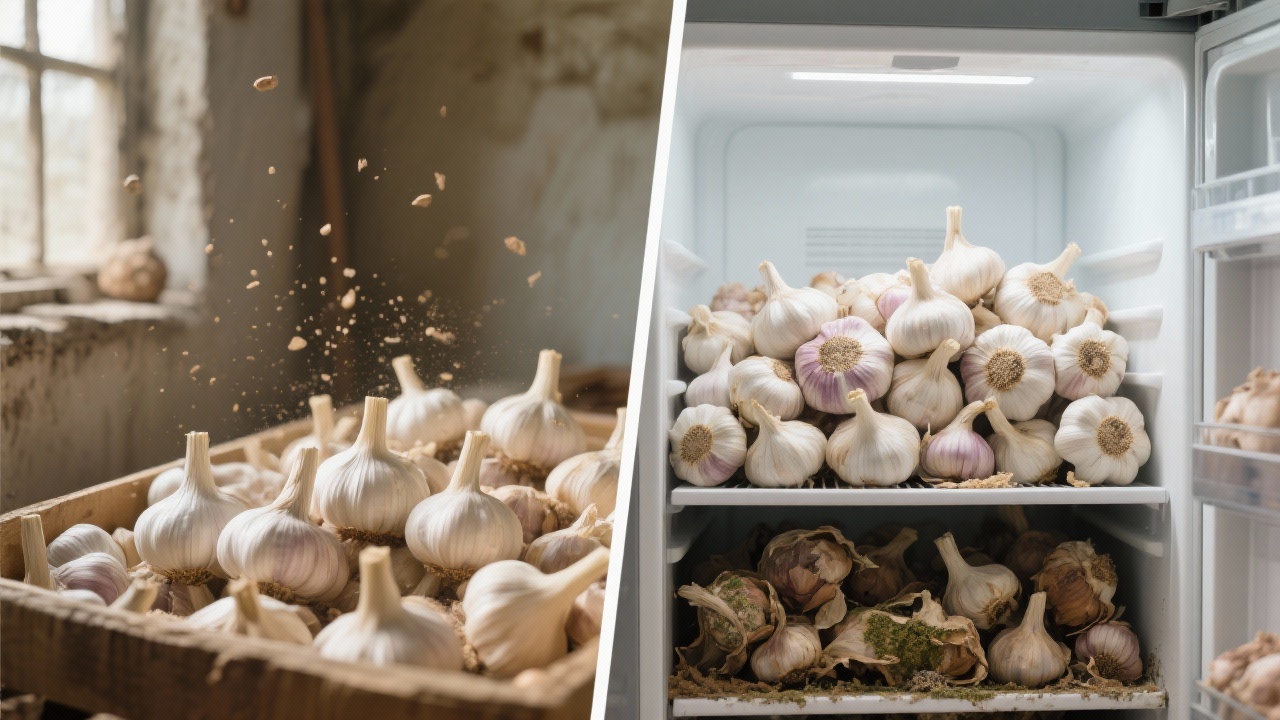
The success of Shandong garlic in meeting EU standards represents more than just technical achievement; it demonstrates how systematic agricultural practices can transform a regional crop into a globally trusted commodity. By focusing on transparency and consistent quality, Shandong has established itself as a reliable source for premium garlic in international markets.
For global importers seeking consistent quality and compliance, understanding these agricultural practices is key to making informed sourcing decisions. The differences between产区 (production regions) can significantly impact product quality, shelf life, and regulatory compliance.
亿商桥 connects international buyers with certified agricultural producers in China's top growing regions. Our platform ensures full supply chain transparency and compliance with global standards.
View Verified Shandong Garlic Suppliers了解更多关于可持续种植实践,请访问我们的行业洞察专栏。
 136
|
136
|
 Export garlic cold storage
10kg mesh bag packaging
Garlic preservation techniques
Catering ingredient supply chain management
Professional cold storage ventilation efficiency
Export garlic cold storage
10kg mesh bag packaging
Garlic preservation techniques
Catering ingredient supply chain management
Professional cold storage ventilation efficiency
 320
|
garlic cold storage
temperature-controlled garlic preservation
european cold chain technology
garlic shelf life extension
breathable packaging for garlic
320
|
garlic cold storage
temperature-controlled garlic preservation
european cold chain technology
garlic shelf life extension
breathable packaging for garlic
 447
|
A-grade white garlic
European garlic market
cold chain storage
food safety standards
brand storytelling
447
|
A-grade white garlic
European garlic market
cold chain storage
food safety standards
brand storytelling
 292
|
Export garlic variety selection
International cuisine garlic guide
Garlic flavor application techniques
10kg mesh bag packaging
Kitchen garlic variety pairing suggestions
292
|
Export garlic variety selection
International cuisine garlic guide
Garlic flavor application techniques
10kg mesh bag packaging
Kitchen garlic variety pairing suggestions
 464
|
Ginger health benefits
Functional foods
Natural remedies
Gingerol and curcumin
High - quality ginger
464
|
Ginger health benefits
Functional foods
Natural remedies
Gingerol and curcumin
High - quality ginger


.png?x-oss-process=image/resize,h_600,m_lfit/format,webp)







.png?x-oss-process=image/resize,h_200,m_lfit/format,webp)





 TikTok
 Facebook