Scientific Storage and Packaging Solutions for Export Garlic: Ensuring Freshness and Transportation Safety
This article explores how selecting the right garlic varieties—red garlic, purple garlic, pure white garlic, and ajo blanco—can elevate international cuisine from Asian stir-fries to Mediterranean salads. It provides an in-depth analysis of their sensory characteristics and culinary applications, combined with practical advice on scientific storage methods. Highlighting the benefits of 10kg mesh bag packaging, the article demonstrates how to optimize transportation efficiency, moisture control, and kitchen management, ensuring consistent freshness and flavor. Additionally, actionable guidance on garlic selection, storage tips, and common pitfalls is included to support buyers and exporters alike.
Scientific Storage and Packaging Solutions for Exporting Garlic: Ensuring Freshness and Transport Safety
Garlic holds an indispensable role in global cuisine, flavoring dishes from the aromatic stir-fries of Asia to the refreshing salads of the Mediterranean. But exporting high-quality garlic requires more than just harvesting the right bulbs; it demands a scientific approach to storage and packaging to preserve flavor integrity and extend shelf life amid international logistics.
Understanding Diverse Garlic Varieties and Their Culinary Applications
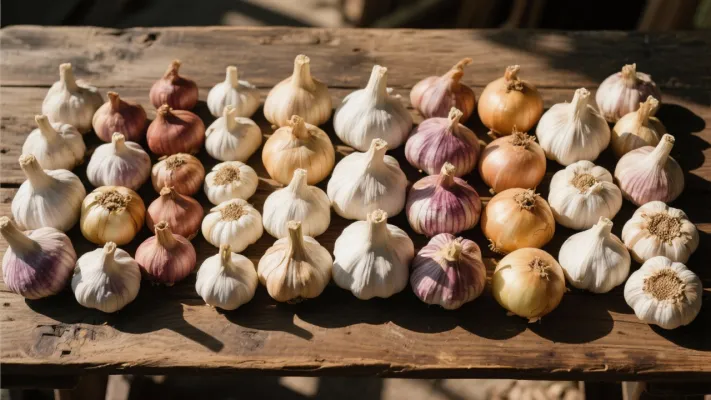
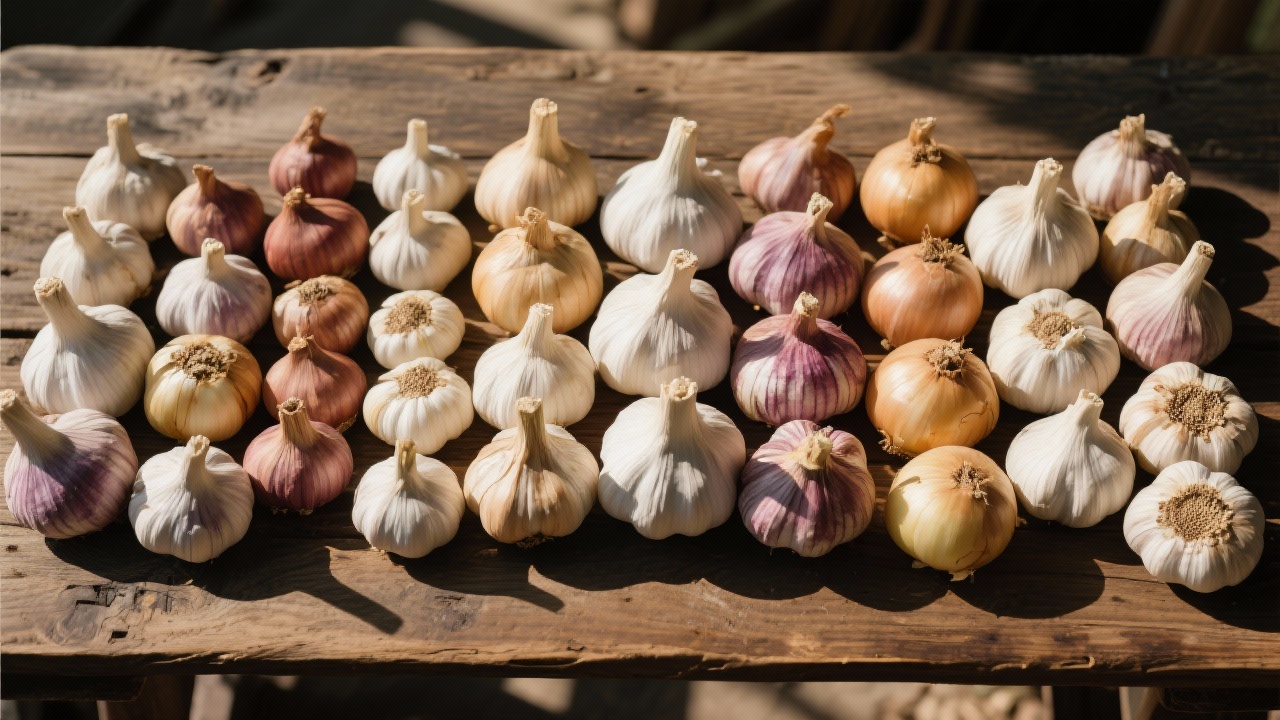
Garlic varieties differ not only in appearance but also in taste profiles. The four primary export types — Pure White (Softneck), Large White (Hardneck), Red Garlic, and Purple Garlic — each bring unique sensory attributes:
| Garlic Type |
Flavor Profile |
Typical Culinary Uses |
| Pure White (Softneck) |
Mild, subtle garlic aroma |
Ideal for Asian stir-fries and soups |
| Large White (Hardneck) |
Strong, pungent flavor with spicy undertones |
Perfect for Mediterranean grilled dishes and roasted recipes |
| Red Garlic |
Robust, complex flavor with slight sweetness |
Commonly used in sauces and pickling |
| Purple Garlic |
Rich, deep flavor and vibrant aroma |
Favored for specialty dishes and gourmet cooking |
Scientific Storage: The Temperature Sweet Spot Between -3°C and 0°C
Maintaining the freshness of exported garlic is highly dependent on temperature control during storage and shipment. Research and industry trials demonstrate that a refrigerated environment ranging from -3°C to 0°C optimally preserves the bulb's texture, flavor compounds, and nutritional value without inducing cold injury. Lower temperatures risk frost damage, while higher ones accelerate sprouting and deterioration.
In practice, cold chain logistics aligned with this temperature range help sustain an average shelf life extension from standard 60 days to more than 90 days, significantly reducing losses and optimizing supply chain reliability.
Innovative Packaging: Why 10kg Mesh Bags Lead the Way
Packaging plays a pivotal role in garlic exportation for ventilating moisture, preventing mold, and facilitating efficient handling. The adoption of 10-kilogram mesh bags offers tangible benefits:
- Superior air circulation: Mesh design enables continuous airflow, reducing humidity buildup.
- Anti-condensation effect: Limits moisture accumulation that can compromise garlic quality.
- Optimized transport efficiency: Compact packaging that complies with palletization standards eases shipping and lowers freight costs.
- Streamlined kitchen management: Moderate weight parcels simplify inventory turnover and minimize damage during unpacking.
This packaging method reduces post-harvest loss by an estimated 15-20% compared to traditional bulk packaging, contributing to higher customer satisfaction overseas.
Practical Tips: 3-Step Garlic Selection and Storage Guide
- Choose bulbs with intact skin and firm cloves: Avoid soft, spotted, or dry areas to ensure freshness.
- Store garlic in a cool, dry, and ventilated environment: Keep temperature ideally between 0-4°C (32-39°F) if refrigeration is an option.
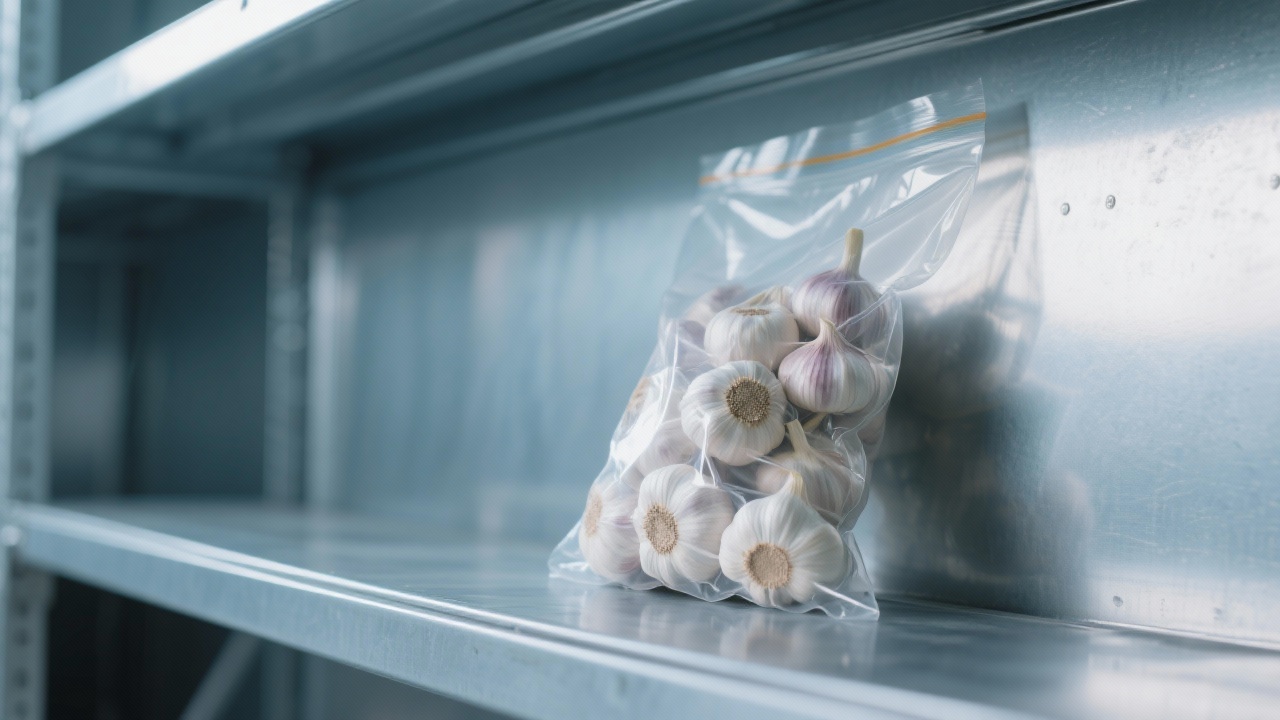
- Use breathable packaging: Opt for mesh bags over plastic to maintain moisture balance.
Common storage pitfalls include sealing garlic in airtight containers or exposing it to direct sunlight, both accelerating decay.
Addressing Common Questions from Foodservice Buyers
Q1: How does garlic variety affect flavor intensity in cooked dishes?
A: Hardneck varieties like Large White offer stronger, spicier flavors suitable for grilling, while Softneck types are milder and preferred for delicate stir-fries.
Q2: Can garlic be stored at room temperature during shipping?
A: Extended shipping without refrigeration risks sprouting and mold; temperature-controlled cold chains preserve quality better.
Q3: Why are 10kg mesh bags preferred over other packaging?
A: They balance protection and ventilation, reducing moisture build-up and spoilage during transport.
For foodservice professionals and international distributors, understanding these storage nuances and packaging innovations is pivotal to delivering garlic that performs reliably in kitchens worldwide.

.png?x-oss-process=image/resize,h_600,m_lfit/format,webp)



.png?x-oss-process=image/resize,h_200,m_lfit/format,webp)





 TikTok
 Facebook