
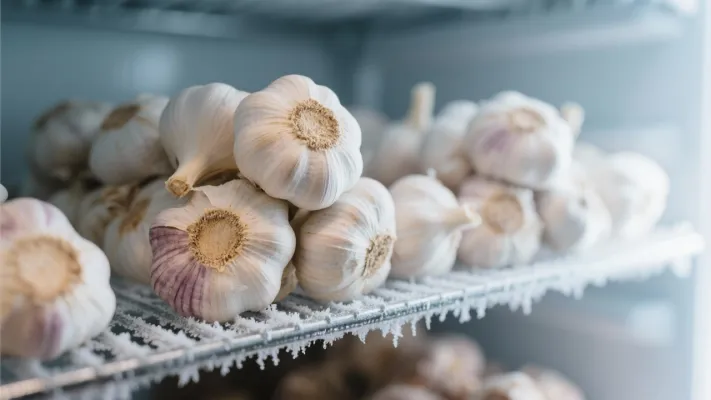
In the competitive global garlic market, maintaining optimal freshness from farm to international markets is a critical challenge that directly impacts quality, shelf life, and profitability. For garlic exporters, mastering the science of low-temperature storage isn't just a technical requirement—it's a strategic advantage that can differentiate premium products in crowded marketplaces. This comprehensive guide explores the proven techniques that have helped leading exporters like 亿商桥 (Yishangqiao) maintain garlic freshness for extended periods, ensuring their products arrive at destination markets with uncompromised quality.
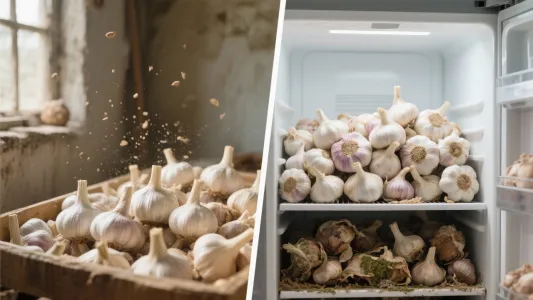
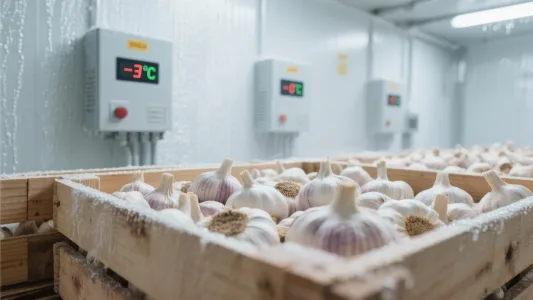
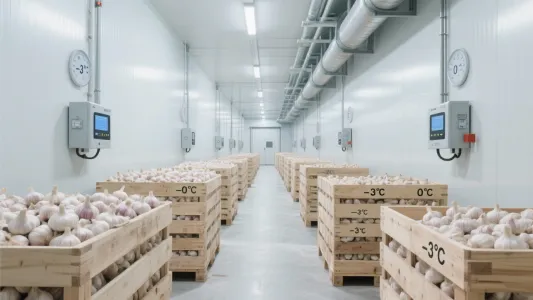
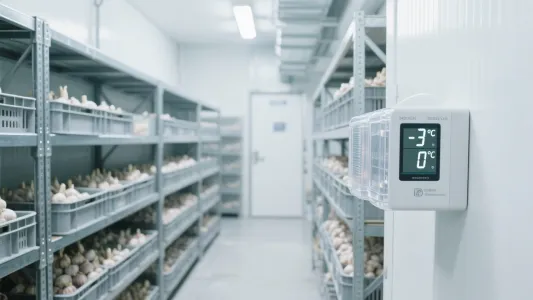
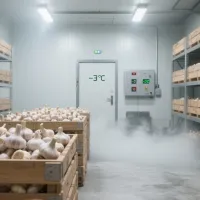
Extensive agricultural research has consistently identified the temperature range of -3°C to 0°C (26.6°F to 32°F) as the "golden zone" for garlic storage. This precise temperature range strikes the perfect balance between preserving garlic quality and preventing cellular damage.
Scientific Insight: Studies conducted by the China Agricultural University's Food Science Department demonstrate that garlic stored within this temperature range experiences a 60-70% reduction in respiration rate compared to room temperature storage (20-25°C). This dramatic slowdown in metabolic activity directly translates to extended shelf life and preserved nutritional value.
At temperatures above 0°C, garlic's respiration rate increases exponentially, accelerating starch conversion to sugars and causing premature sprouting. Conversely, temperatures below -3°C risk ice crystal formation within garlic cells, leading to irreversible texture damage and flavor degradation. The precise temperature control systems employed by professional exporters like 亿商桥 are engineered to maintain this critical temperature range with minimal fluctuations.
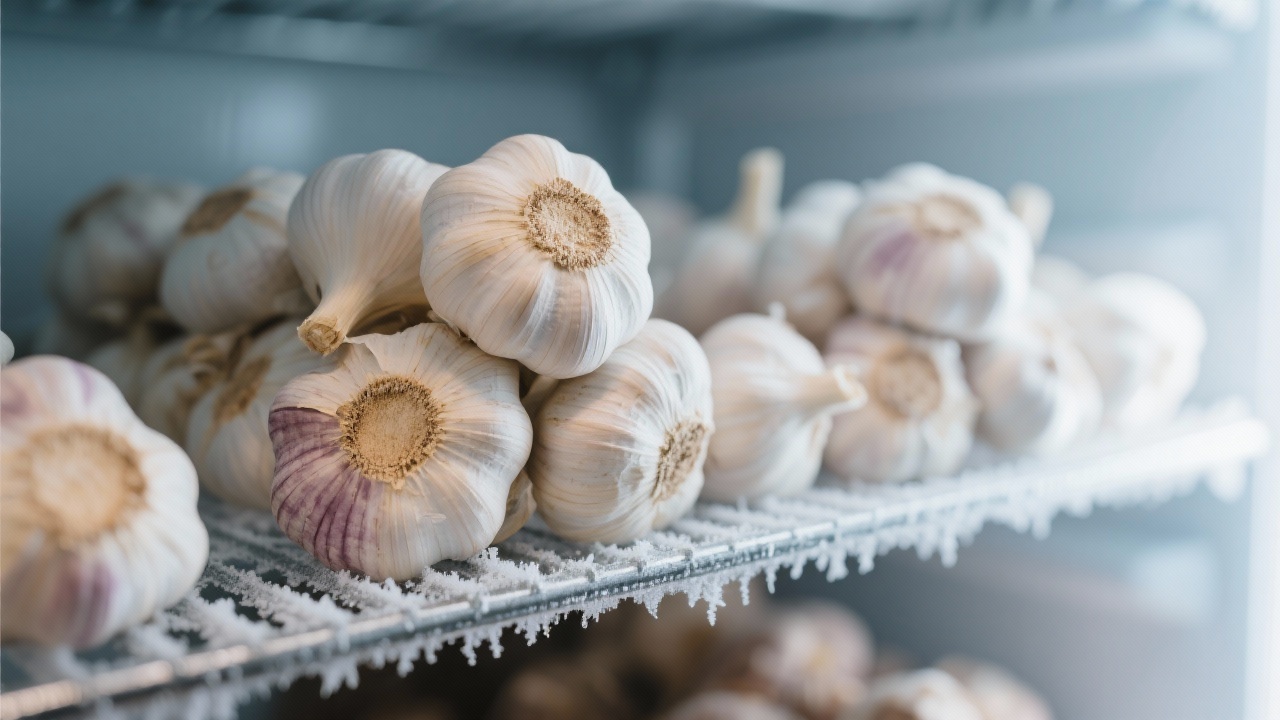
Not all garlic varieties respond identically to low-temperature storage. Understanding these nuances is essential for developing targeted storage protocols. White garlic varieties, including Pure White and Big White, typically exhibit excellent cold storage characteristics, maintaining quality for 8-10 months under optimal conditions. Their higher dry matter content and tighter bulb structure provide natural protection against moisture loss.
Red and Purple garlic varieties, prized for their distinctive flavor profiles and antioxidant content, require slightly different handling. While still benefiting from the -3°C to 0°C range, these varieties often have thinner outer skins and may require adjusted humidity levels (typically 65-70% RH compared to 70-75% RH for white varieties) to prevent mold development while maintaining bulb integrity. 亿商桥's specialized storage facilities accommodate these varietal differences through zone-specific environmental controls.
| Garlic Variety | Optimal Storage Period | Humidity Requirement | Key Storage Considerations |
|---|---|---|---|
| Pure White Garlic | 8-10 months | 70-75% RH | Excellent shelf stability, minimal shrinkage |
| Big White Garlic | 7-9 months | 70-75% RH | Requires careful handling of larger bulbs |
| Red Garlic | 6-8 months | 65-70% RH | Monitor for sprouting after 6 months |
| Purple Garlic | 5-7 months | 65-70% RH | Shorter window; preserve flavor compounds |
While temperature often receives the most attention in storage discussions, relative humidity (RH) plays an equally critical role in maintaining garlic quality. The delicate balance between preventing moisture loss (which causes shrinkage and texture deterioration) and excess moisture (which promotes mold growth) requires sophisticated environmental management.
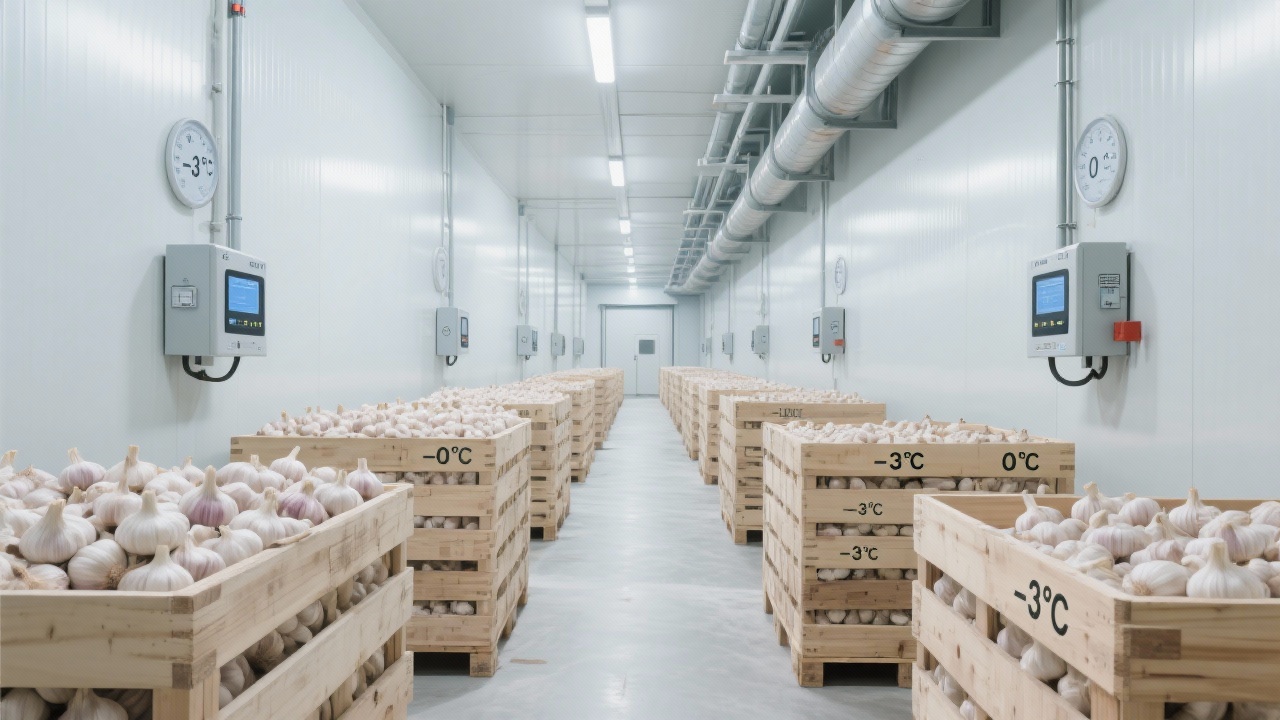
Commercial storage facilities utilize advanced dehumidification and humidification systems to maintain precise RH levels. For white garlic varieties, maintaining 70-75% RH has been shown to minimize weight loss to less than 3% over 6 months of storage, compared to 8-12% weight loss in improperly humidified environments. This level of control becomes even more critical during long sea voyages, where container environments can fluctuate dramatically.
Effective garlic storage begins long before bulbs enter the cold room. Proper curing—a process of air-drying garlic at 25-30°C for 2-3 weeks—develops the protective outer skin that helps prevent moisture loss during storage. After curing, careful grading removes damaged bulbs that could contaminate others during storage.
A recent project by 亿商桥 demonstrated the impact of optimized storage protocols on Purple garlic destined for Germany. By implementing pre-storage curing at 28°C for 18 days followed by controlled atmosphere storage with 2% O2 and 5% CO2 in addition to the standard -3°C temperature, the company extended shelf life by 4 weeks compared to conventional storage methods. This resulted in a 12% reduction in post-arrival quality claims and improved customer satisfaction.
Packaging also plays a vital role in storage success. Perforated polyethylene bags or breathable mesh containers allow for proper air circulation while minimizing moisture loss. For export shipments, specialized container liners with integrated humidity control can maintain optimal conditions during transit, effectively extending the storage window by 3-4 weeks compared to standard containers.
Modern storage facilities employ continuous monitoring systems that track temperature, humidity, and gas composition (in controlled atmosphere applications). These systems provide real-time data and alerts, allowing for immediate corrective action should conditions deviate from optimal parameters. Regular quality checks—typically every 2-3 weeks—involve inspecting sample bulbs for sprouting, mold development, and texture changes.
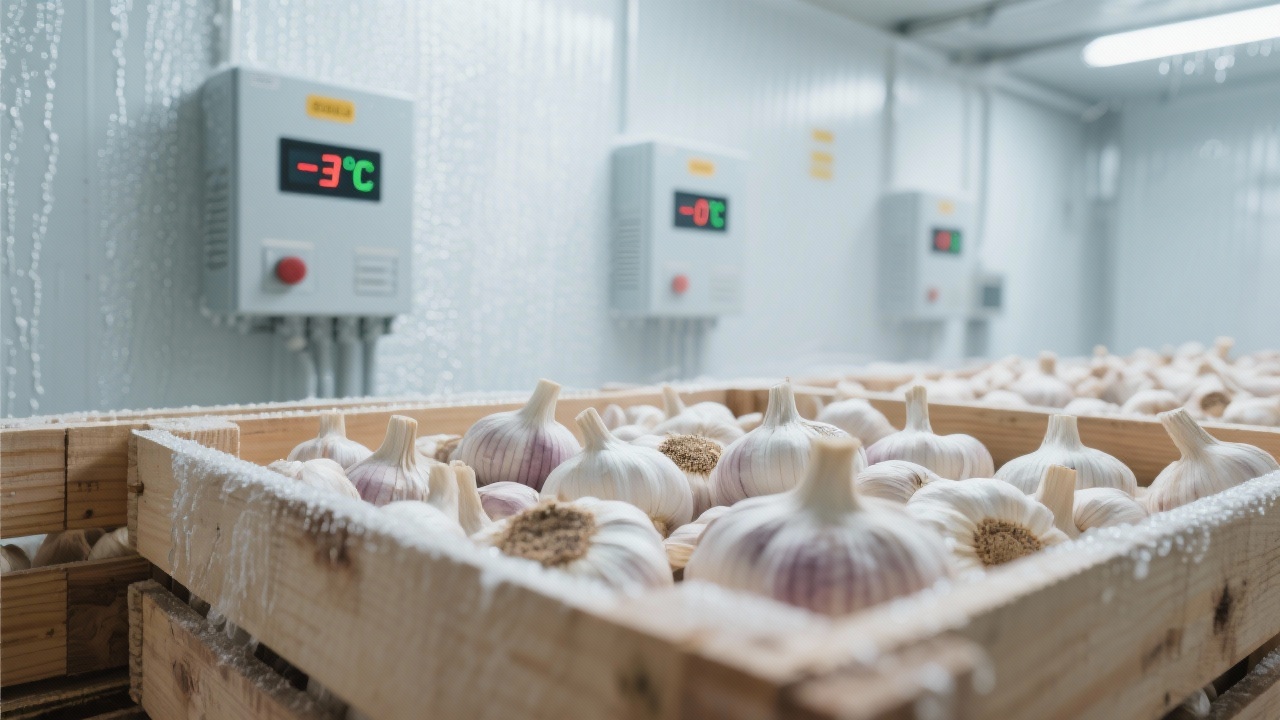
These quality control measures not only ensure product integrity but also generate valuable data that can be used to further refine storage protocols. Exporters like 亿商桥 leverage this data to develop variety-specific storage programs that maximize freshness and minimize waste.
Discover how 亿商桥's specialized storage solutions can help you maintain peak garlic freshness throughout the export journey, commanding better prices and building long-term customer relationships.
Explore Professional Garlic Storage SolutionsThe science of garlic storage continues to evolve, with ongoing research into controlled atmosphere storage, pre-storage treatments, and variety-specific protocols. As global markets demand increasingly higher quality standards, exporters who invest in advanced storage technologies position themselves for long-term success in the competitive international garlic trade.
We'd love to hear about your specific storage challenges or questions. Share your experiences with garlic storage in the comments below, or ask our team of agricultural storage specialists for personalized advice!
 335
|
335
|
 drip irrigation for garlic
garlic irrigation management
water-saving agriculture
garlic yield and quality improvement
batch traceability system
drip irrigation for garlic
garlic irrigation management
water-saving agriculture
garlic yield and quality improvement
batch traceability system
 493
|
year-round garlic supply
intelligent storage technology
green pest control
garlic cultivation management
China garlic industry
493
|
year-round garlic supply
intelligent storage technology
green pest control
garlic cultivation management
China garlic industry
 319
|
garlic postharvest management
garlic grading standards
cold storage for garlic
ventilation packaging
garlic quality improvement
319
|
garlic postharvest management
garlic grading standards
cold storage for garlic
ventilation packaging
garlic quality improvement
 449
|
Red Garlic Buying Guide
High-Quality Red Garlic
Red Garlic Storage Tips
Red Garlic Market Trends
Healthy Food Ingredients
449
|
Red Garlic Buying Guide
High-Quality Red Garlic
Red Garlic Storage Tips
Red Garlic Market Trends
Healthy Food Ingredients
 80
|
fresh garlic cold storage
garlic storage temperature control
garlic preservation method
constant temperature garlic storage
agricultural cold chain management
80
|
fresh garlic cold storage
garlic storage temperature control
garlic preservation method
constant temperature garlic storage
agricultural cold chain management


.png?x-oss-process=image/resize,h_600,m_lfit/format,webp)






.png?x-oss-process=image/resize,h_200,m_lfit/format,webp)





 TikTok
 Facebook