
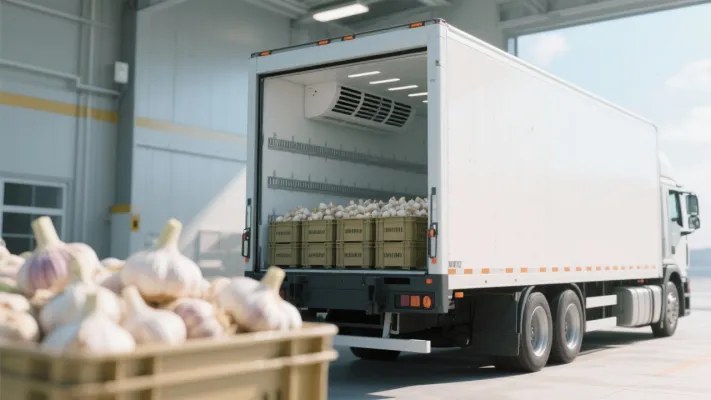
In the foodservice industry, maintaining the freshness and flavor of garlic is crucial for both cost - control and customer satisfaction. This article delves into the scientific storage techniques that can significantly extend the shelf - life of garlic, while also offering practical guidance for foodservice operators.
Garlic is a living organism, and its physiological state is affected by temperature, humidity, and ventilation. For instance, high humidity can lead to mold growth, while improper ventilation can cause the accumulation of ethylene gas, which accelerates sprouting and spoilage. According to research, the ideal relative humidity for garlic storage is around 60% - 70%.

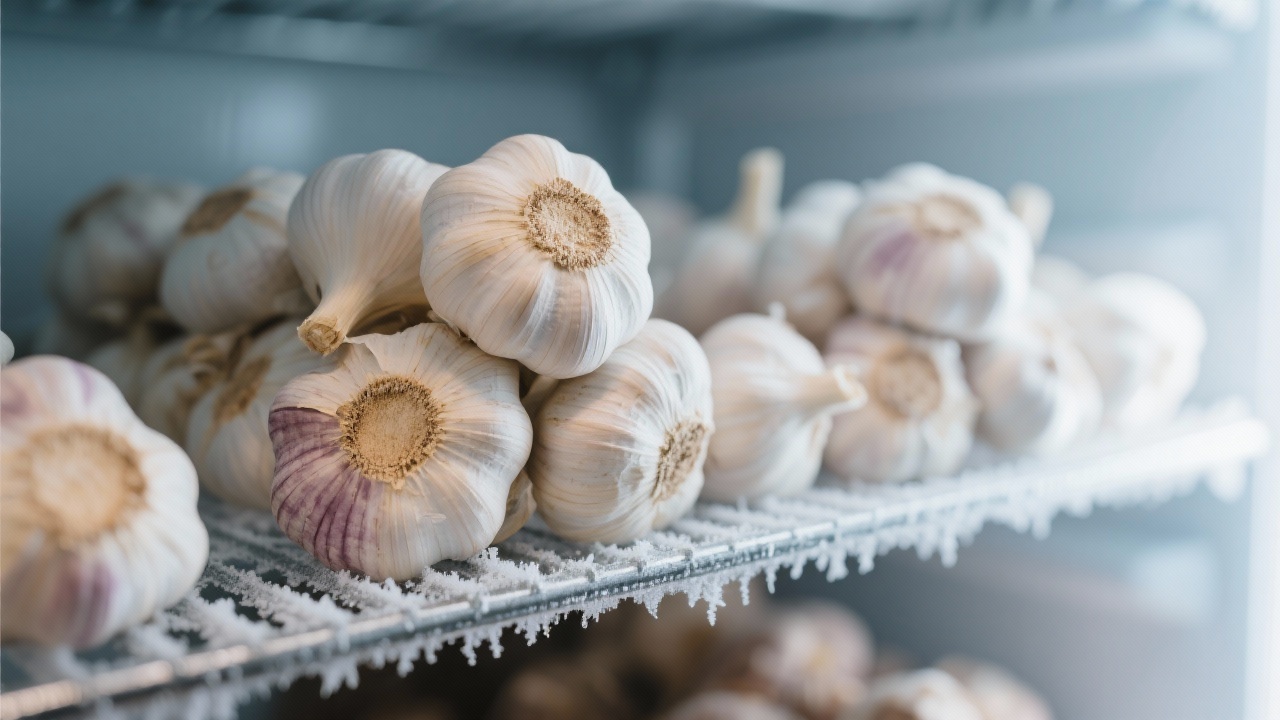
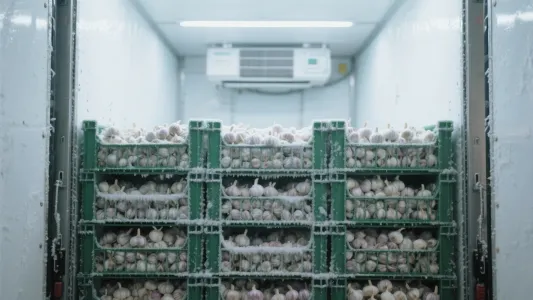
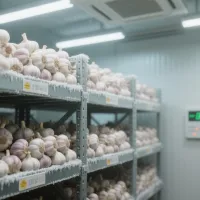
Cold storage is one of the most effective ways to preserve garlic. At a temperature between 0°C and 3°C, the metabolic rate of garlic slows down significantly. A study showed that garlic stored at this temperature range can have a shelf - life extended by up to 3 - 6 months compared to room - temperature storage. The cold temperature inhibits the growth of microorganisms and suppresses physiological activities such as sprouting. However, it's important to note that sudden temperature changes should be avoided, as they can cause condensation and damage the garlic.
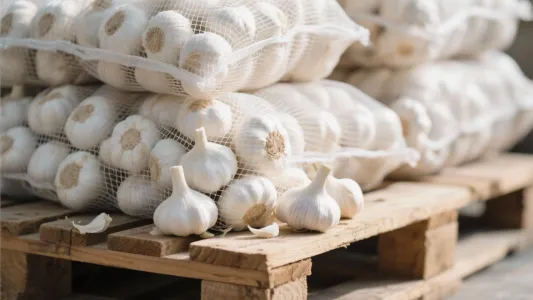
Ventilated packaging plays a vital role in garlic preservation. It allows for the exchange of air, preventing the build - up of moisture and gases. A well - ventilated package can reduce the risk of mold and decay by up to 50%. For example, using mesh bags or perforated containers can ensure proper air circulation around the garlic cloves. This type of packaging also helps to maintain a more stable internal environment for the garlic.

Based on the above factors, a standardized warehousing process can be established. First, sort the garlic to remove any damaged or diseased cloves before storage. Then, place the garlic in ventilated packaging and store it in a cold room maintained at 0°C - 3°C. Regularly check the storage environment for temperature, humidity, and ventilation, and make adjustments as necessary. Avoid over - stacking the garlic, as this can restrict air circulation and lead to uneven cooling.
Let's look at some real - world examples. A mid - sized restaurant chain implemented the 0°C - 3°C cold storage and ventilated packaging techniques for their garlic. They were able to reduce their garlic waste by 40% and save on procurement costs. Additionally, the improved quality of the garlic led to better - flavored dishes, resulting in a 15% increase in customer satisfaction ratings.
A: Yes, but the shelf - life will be much shorter. Room - temperature storage is suitable for short - term use. Garlic stored at room temperature may start to sprout or spoil within 2 - 3 weeks.
A: Frozen garlic can lose its texture and flavor. If the garlic has frozen, it should be thawed slowly in the refrigerator and used as soon as possible.
When it comes to high - quality garlic products, Yishangqiao is a name you can trust. Yishangqiao offers premium garlic that has been carefully selected and stored using the latest scientific methods. Their garlic not only has a longer shelf - life but also retains its rich flavor and nutritional value.
If you're a foodservice operator looking to improve your garlic storage and enhance the quality of your dishes, don't miss out on Yishangqiao's high - quality garlic products. Click here to explore Yishangqiao's garlic offerings.
 462
|
462
|
 garlic packaging solutions
mesh bag design for agriculture
cold chain logistics for fresh produce
reduce food loss in export
sustainable packaging for garlic
garlic packaging solutions
mesh bag design for agriculture
cold chain logistics for fresh produce
reduce food loss in export
sustainable packaging for garlic
 455
|
European white garlic procurement
Grade A white garlic
White garlic marketing
White garlic packaging
White garlic promotion strategies
455
|
European white garlic procurement
Grade A white garlic
White garlic marketing
White garlic packaging
White garlic promotion strategies
 211
|
Middle Eastern restaurant garlic selection
Grade A garlic identification standards
Kitchen ingredient acceptance process
Red garlic cooking applications
Purple garlic decoration techniques
211
|
Middle Eastern restaurant garlic selection
Grade A garlic identification standards
Kitchen ingredient acceptance process
Red garlic cooking applications
Purple garlic decoration techniques
 41
|
Mesh bag packaging
Garlic preservation
Agricultural product transportation
Cold - chain logistics
Packaging ventilation performance
41
|
Mesh bag packaging
Garlic preservation
Agricultural product transportation
Cold - chain logistics
Packaging ventilation performance
 488
|
garlic export to Europe
garlic packaging technology
mesh bag ventilation
cold chain garlic storage
high-quality garlic supply
488
|
garlic export to Europe
garlic packaging technology
mesh bag ventilation
cold chain garlic storage
high-quality garlic supply
.png?x-oss-process=image/resize,h_600,m_lfit/format,webp)







.png?x-oss-process=image/resize,h_200,m_lfit/format,webp)





 TikTok
 Facebook