
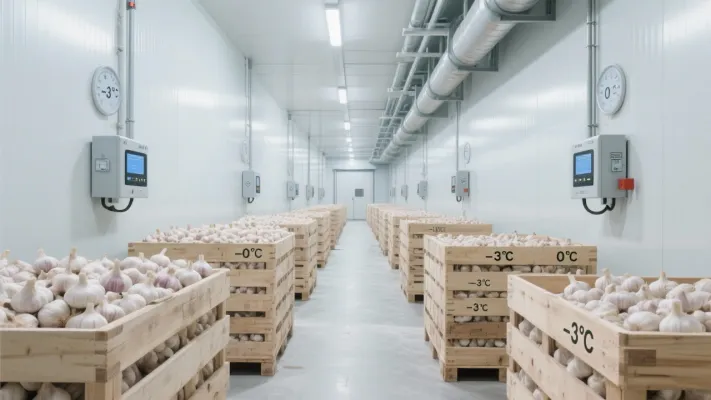
For food industry professionals and culinary enthusiasts alike, maintaining the quality of fresh garlic from farm to table presents significant challenges. Improper storage conditions can lead to up to 30% product loss, according to research published in the Journal of Food Science and Technology. This comprehensive guide explores evidence-based preservation techniques that can help reduce waste and maximize the economic value of fresh bulk garlic.
Garlic preservation begins with understanding how environmental conditions impact its quality. Four critical factors determine shelf life:
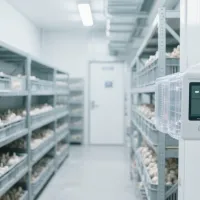
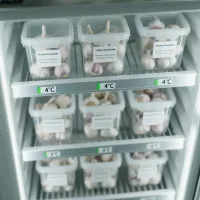
Optimal storage temperature ranges between 0°C and 4°C (32°F-39°F), which can extend shelf life to 6-8 months. Temperatures above 10°C accelerate sprouting, while freezing causes cellular damage.
Ideal relative humidity is 60-70%. Excess moisture (above 75%) promotes mold growth, while dry conditions (below 50%) cause excessive dehydration and weight loss.
Proper air circulation prevents ethylene gas accumulation and moisture buildup. Stagnant air increases spoilage rates by up to 40% according to post-harvest studies.
UV light accelerates the breakdown of allicin, garlic's primary bioactive compound, reducing both flavor and nutritional value by up to 50% in as little as 72 hours.
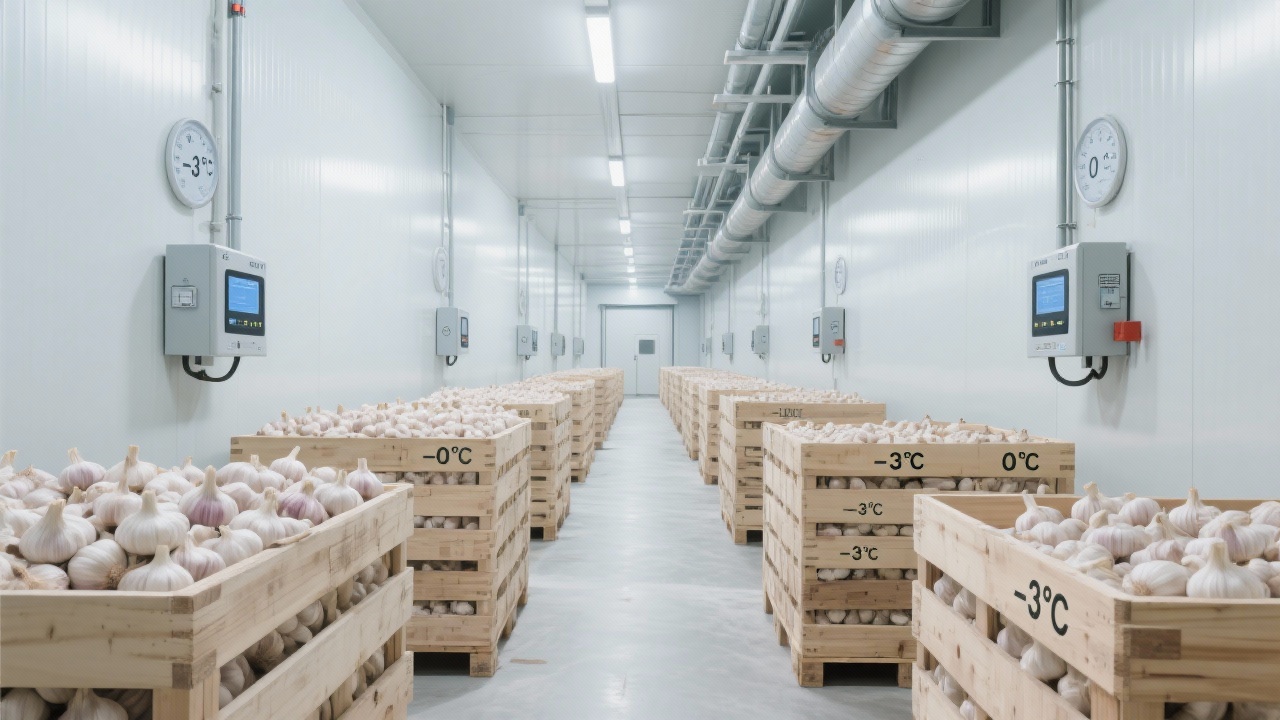
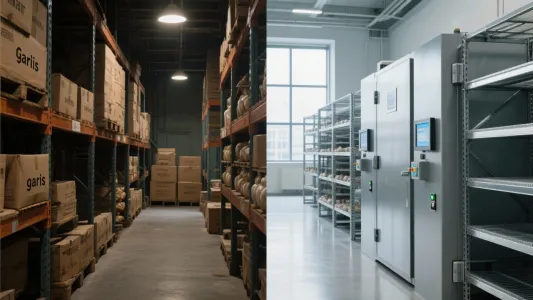
Refrigerated storage remains the most effective method for bulk garlic preservation. Dr. Maria Hernandez, Post-Harvest Specialist at the International Food Preservation Institute, explains: "Maintaining a consistent temperature between 0-4°C with proper air circulation can reduce spoilage rates by 65% compared to ambient storage conditions."
Key implementation steps include:
For operations without refrigeration capabilities, well-ventilated storage at 10-15°C (50-59°F) offers a viable alternative. This method typically maintains quality for 2-3 months when properly executed.
Implementation best practices:
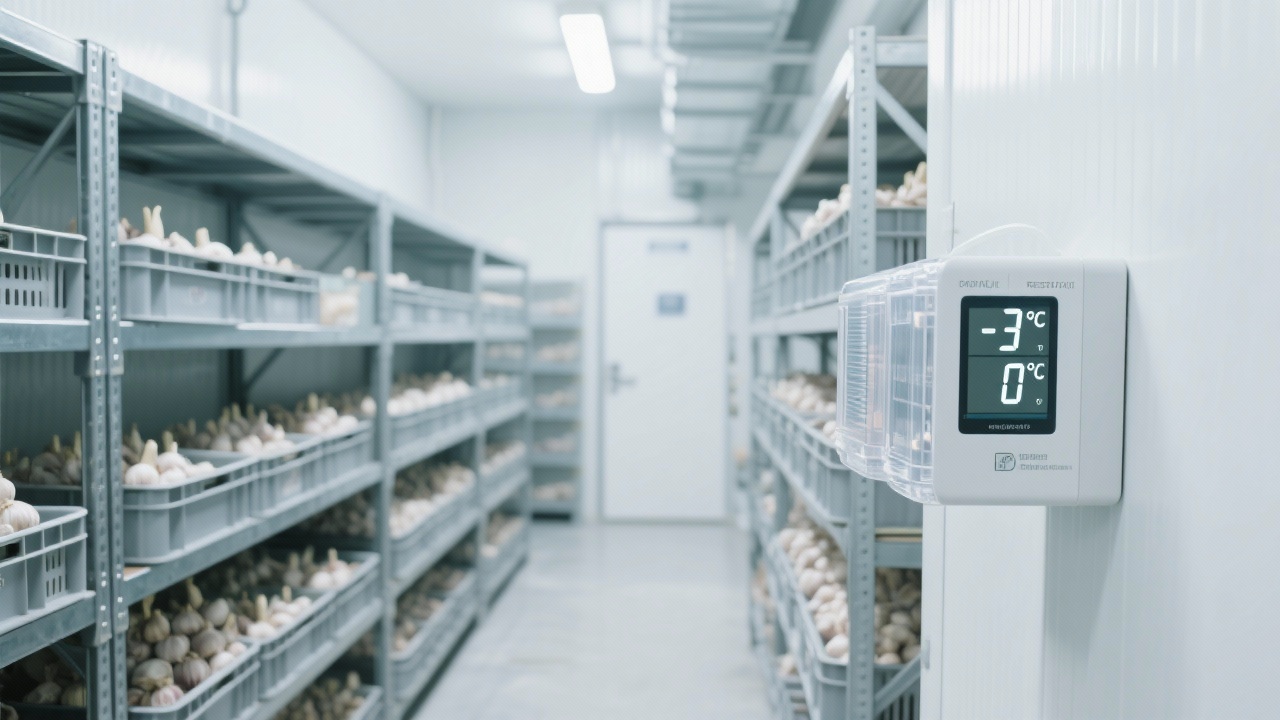
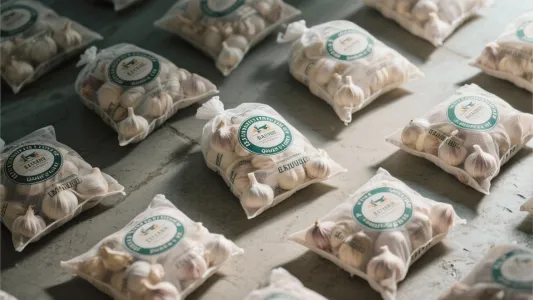
When combined with low humidity control, sealed storage can significantly extend shelf life. This method is particularly effective for garlic intended for 4-6 month storage periods.
Implementation guidelines:
Even with proper techniques, common errors can compromise garlic quality. Industry data indicates that 40% of post-harvest losses result from preventable handling mistakes.
Washing garlic removes its natural protective papery layer and introduces excess moisture. Studies show pre-washed garlic has a 75% higher spoilage rate compared to unwashed bulbs during extended storage.
Stacking garlic too densely creates microclimates with higher humidity and temperature. Proper spacing between bulbs can reduce mold development by up to 60%.
Garlic is highly sensitive to ethylene gas emitted by fruits like apples, bananas, and tomatoes. Proximity to these items can accelerate sprouting by 2-3 weeks.
Repeated temperature changes cause condensation on garlic surfaces, significantly increasing mold risk. Even 2-3°C fluctuations can reduce shelf life by 30%.
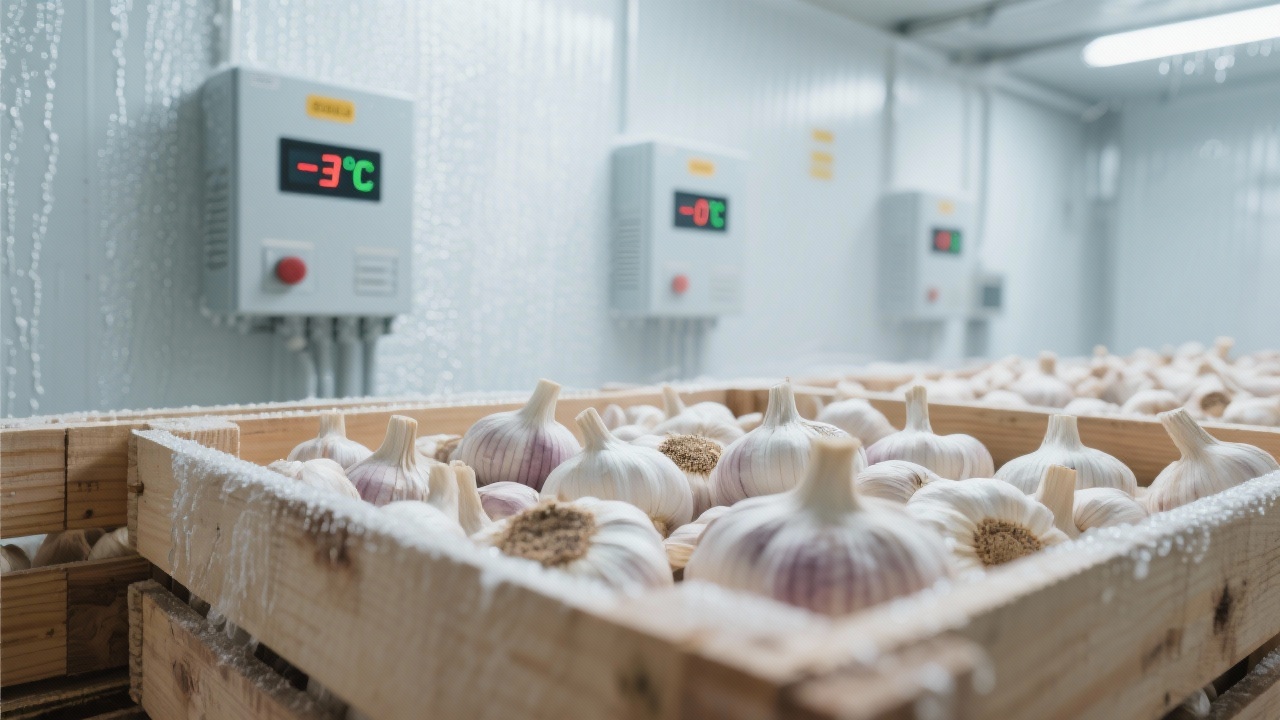
For organic operations or those seeking chemical-free solutions, natural preservation methods offer effective alternatives. These techniques complement temperature and humidity control while maintaining product integrity.
Research from the University of Agricultural Sciences demonstrates that diluted essential oil treatments can reduce mold growth by up to 50%. Effective options include:
Application method: Light misting before storage, allowing 30 minutes of air-drying before packaging.
Implementing a structured inspection schedule is critical for early spoilage detection. The 5-Minute Garlic Quality Check involves:
Food safety experts recommend performing these checks at least twice weekly for bulk storage facilities.
For businesses looking to optimize their garlic supply chain, 亿商桥 offers comprehensive solutions that integrate these scientific preservation methods into practical logistics strategies. By combining proper pre-cooling, controlled atmosphere transportation, and storage optimization, companies can significantly reduce waste while maintaining product quality.
Access our exclusive Garlic Preservation Audit Checklist designed by food science experts to identify improvement opportunities in your storage and transportation processes.
Download Your Free Preservation Guide想了解更多食材保鲜秘诀?关注我们获取每周干货指南

 122
|
122
|
 red garlic cultivation techniques
A-grade red garlic production
red garlic quality control
red garlic post-harvest handling
red garlic cold chain logistics
red garlic cultivation techniques
A-grade red garlic production
red garlic quality control
red garlic post-harvest handling
red garlic cold chain logistics
 442
|
fresh garlic nutrition
garlic health benefits
garlic export quality
garlic storage methods
garlic cooking tips
442
|
fresh garlic nutrition
garlic health benefits
garlic export quality
garlic storage methods
garlic cooking tips
 439
|
garlic varieties comparison
allicin content
garlic export
garlic flavor profiles
nutritional value of garlic
439
|
garlic varieties comparison
allicin content
garlic export
garlic flavor profiles
nutritional value of garlic
 280
|
garlic transportation preservation
mesh bag packaging
garlic mold prevention
agricultural product packaging design
cold chain logistics management
280
|
garlic transportation preservation
mesh bag packaging
garlic mold prevention
agricultural product packaging design
cold chain logistics management
 398
|
red garlic pickling
restaurant pickling techniques
sauce flavor complexity
long-lasting sauce flavor
garlic marinade optimization
398
|
red garlic pickling
restaurant pickling techniques
sauce flavor complexity
long-lasting sauce flavor
garlic marinade optimization


.png?x-oss-process=image/resize,h_600,m_lfit/format,webp)






.png?x-oss-process=image/resize,h_200,m_lfit/format,webp)





 TikTok
 Facebook