
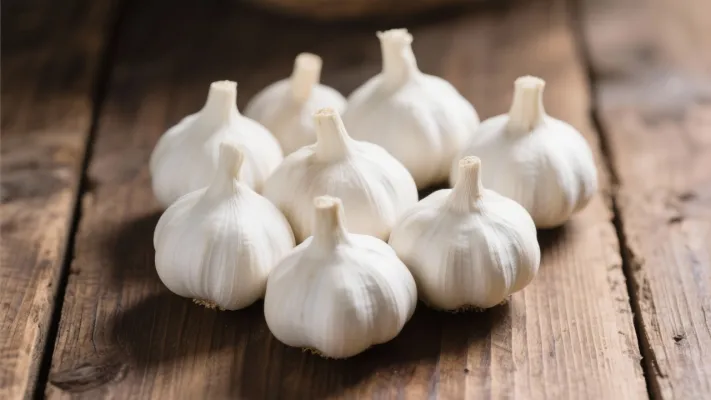
For businesses in the food industry, proper garlic storage isn't just about keeping produce fresh—it's about preserving quality, flavor, and profitability. Understanding the unique storage requirements of different garlic varieties can significantly reduce waste and ensure consistent product quality year-round.
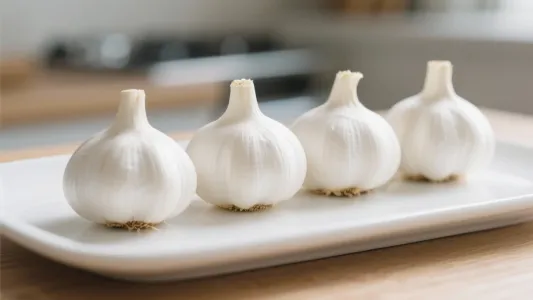
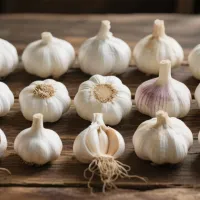
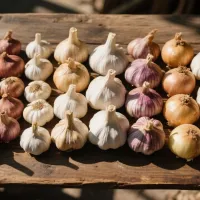
Garlic, a staple in cuisines worldwide, comes in several distinct varieties, each with its own storage characteristics. According to post-harvest research from the International Institute of Food Science and Technology, the three most commercially significant varieties—red garlic, white garlic, and purple garlic—exhibit dramatically different responses to temperature and humidity conditions.
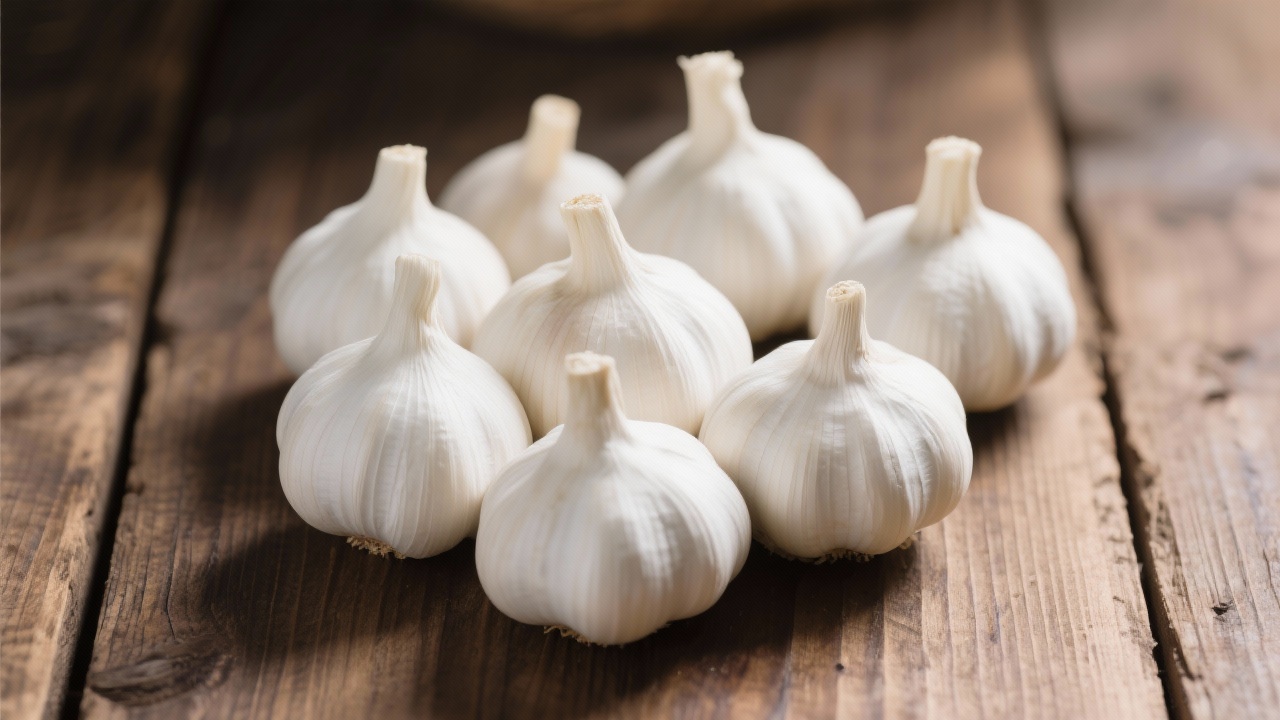
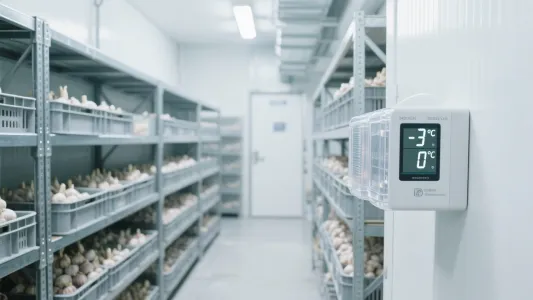
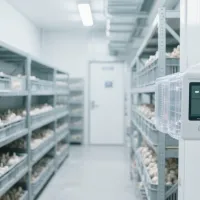
Research conducted by the Global Produce Preservation Association shows that temperature precision within a narrow range (-3°C to 0°C) dramatically affects storage outcomes. Let's examine the ideal conditions for each variety:
| Garlic Variety | Optimal Temperature | Relative Humidity | Expected Storage Life | Key Considerations |
|---|---|---|---|---|
| Red Garlic | -1°C to 0°C | 60-65% | 4-5 months | Requires strict humidity control to prevent mold growth |
| White Garlic | -2°C to -1°C | 65-70% | 6-7 months | Most resilient variety with longest storage potential |
| Purple Garlic | -3°C to -2°C | 60-65% | 5-6 months | Lowest temperature tolerance to maintain color stability |
Red garlic presents unique storage challenges due to its higher moisture content. A study published in the Journal of Food Preservation found that red garlic stored above 65% relative humidity shows a 37% increase in mold development compared to storage at 60-65% humidity. This variety benefits from good air circulation and should be inspected regularly during storage.
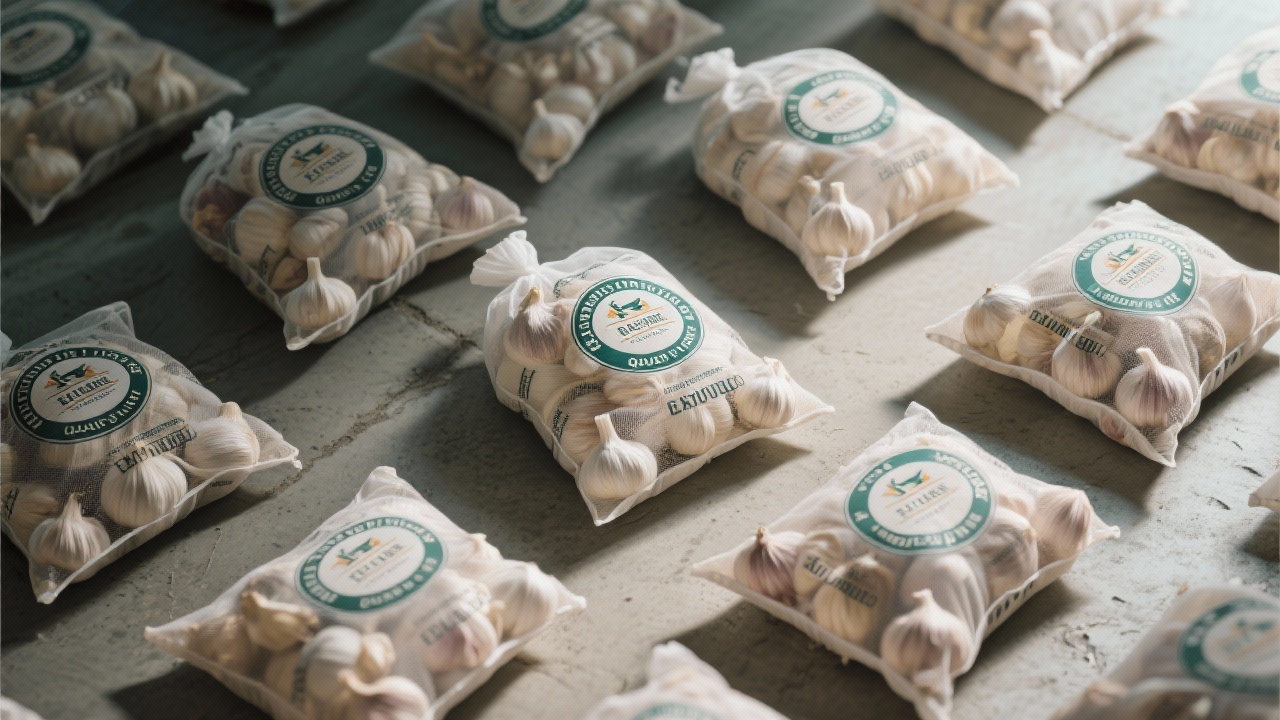
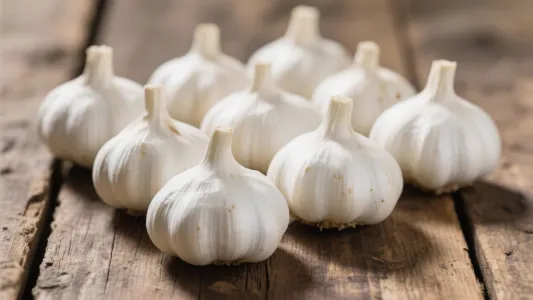
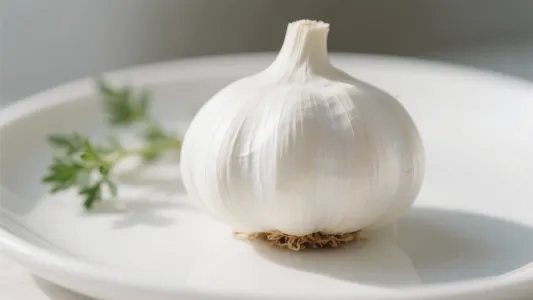
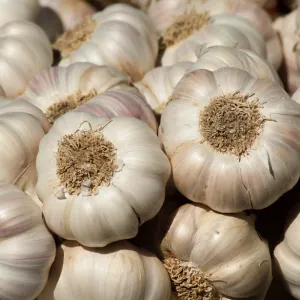
White garlic's thicker skin provides natural protection against environmental factors. Research from the Food Storage Research Center indicates that white garlic can maintain acceptable quality for up to 7 months when stored at optimal conditions, making it a preferred choice for buyers requiring year-round supply stability.
Purple garlic's distinctive color comes from anthocyanin pigments that are temperature-sensitive. Studies show that storage below -3°C causes cellular damage and color degradation, while temperatures above -1°C reduce storage life by up to 40%. Maintaining the precise -3°C to -2°C range preserves both color and the high antioxidant content that makes purple garlic a premium product.
A mid-sized European restaurant chain recently implemented variety-specific storage protocols after experiencing 15-20% garlic waste. By adjusting temperature and humidity settings according to garlic variety, they reduced waste to 4.5% and improved flavor consistency across their locations. The operation now saves approximately €12,000 annually on garlic purchases alone.
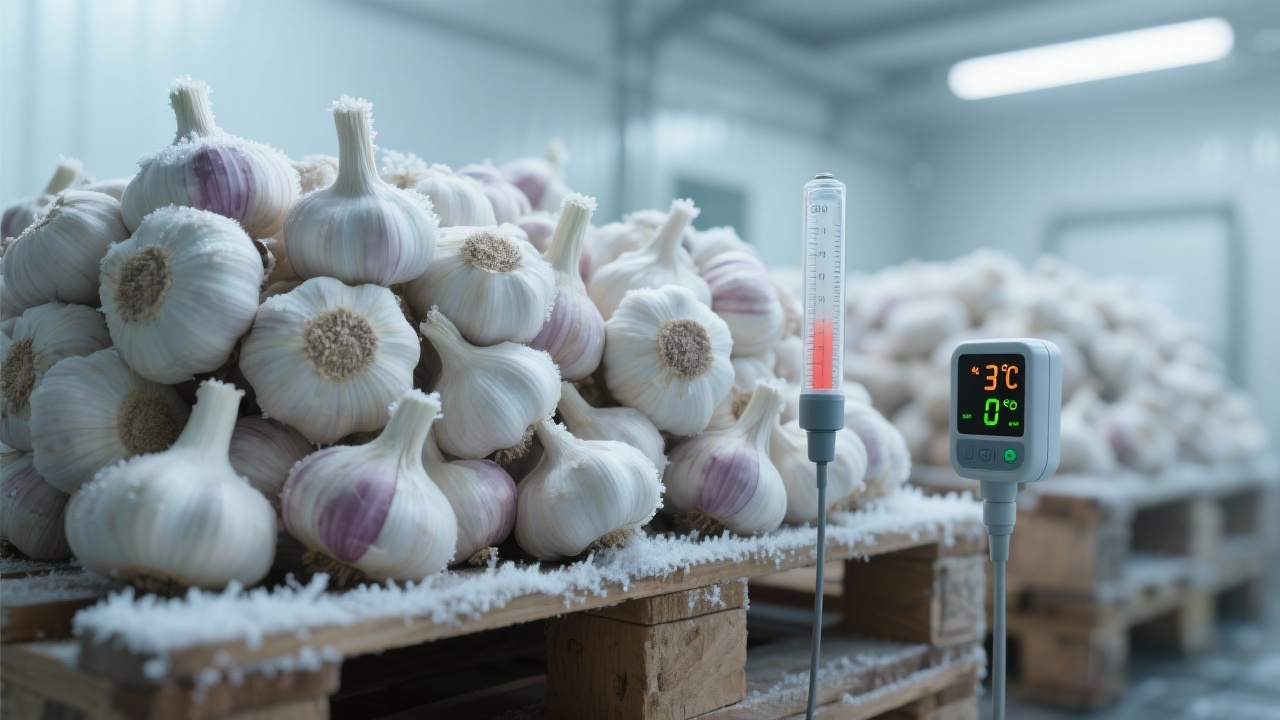
Implementing proper garlic storage requires attention to detail and monitoring. Here are actionable recommendations for different business types:
亿商桥 provides premium garlic varieties with comprehensive storage guidelines to help businesses maximize quality and minimize waste. Our agricultural experts can help you select the ideal garlic varieties for your specific storage capabilities and market needs.
Discover Our Garlic Storage SolutionsUnderstanding the unique storage requirements of garlic varieties isn't just about preservation—it's about ensuring your customers receive the highest quality product while maximizing your bottom line. By implementing these science-based storage practices, businesses can gain a competitive edge in the marketplace while reducing environmental impact through decreased food waste.
Proper garlic storage is both a science and an art, requiring attention to detail and an understanding of each variety's unique characteristics. With the right knowledge and practices, businesses can transform their garlic inventory from a potential liability into a consistent source of quality and profit.
 402
|
402
|
 red garlic buying guide
high-quality red garlic
red garlic storage tips
red garlic market trends
red garlic quality identification
red garlic buying guide
high-quality red garlic
red garlic storage tips
red garlic market trends
red garlic quality identification
 289
|
China white garlic export
garlic Grade A standard
garlic quality control
garlic cold chain storage
agricultural standardized production
289
|
China white garlic export
garlic Grade A standard
garlic quality control
garlic cold chain storage
agricultural standardized production
 288
|
year-round garlic supply
climate-adaptive breeding
crop rotation optimization
garlic planting management
agricultural technology
288
|
year-round garlic supply
climate-adaptive breeding
crop rotation optimization
garlic planting management
agricultural technology
 455
|
garlic export packaging
mesh bag packaging benefits
agricultural cold chain logistics
garlic transportation efficiency
perishable农产品包装解决方案
455
|
garlic export packaging
mesh bag packaging benefits
agricultural cold chain logistics
garlic transportation efficiency
perishable农产品包装解决方案
 123
|
Red Garlic Cultivation
Garlic Quality Control
Garlic Export Standards
Garlic Cold Storage
A-grade Garlic Production
123
|
Red Garlic Cultivation
Garlic Quality Control
Garlic Export Standards
Garlic Cold Storage
A-grade Garlic Production

.png?x-oss-process=image/resize,h_600,m_lfit/format,webp)





.png?x-oss-process=image/resize,h_200,m_lfit/format,webp)





 TikTok
 Facebook