
In the fast-paced environment of Middle Eastern kitchens, distinguishing between red garlic and purple garlic is more than a culinary curiosity—it’s a key to unlocking authentic flavors and consistent dish quality. As a restaurant operator or procurement manager, understanding the application and selection of these garlic varieties can significantly enhance both aroma profiles and customer satisfaction.
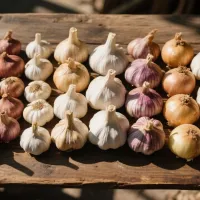
Both red and purple garlic bring distinct tastes and visual appeal to your kitchen, but their ideal uses differ based on flavor concentration and texture:
| Aspect | Red Garlic | Purple Garlic |
|---|---|---|
| Flavor Intensity | Mild, sweet, deep aroma – ideal for slow cooking | Sharp, pungent with a subtle spiciness – great for finishing dishes |
| Primary Use | Slow-roasted stews, braises boosting layered aroma | Raw garnishes, condiment blends, accent flavors |
| Visual Appeal | Subtle red hues, less visually striking | Vibrant purple skin, enhances plate presentation |
Adopting a strategic approach to garlic selection ensures your dishes deliver both taste complexity and consistent quality.
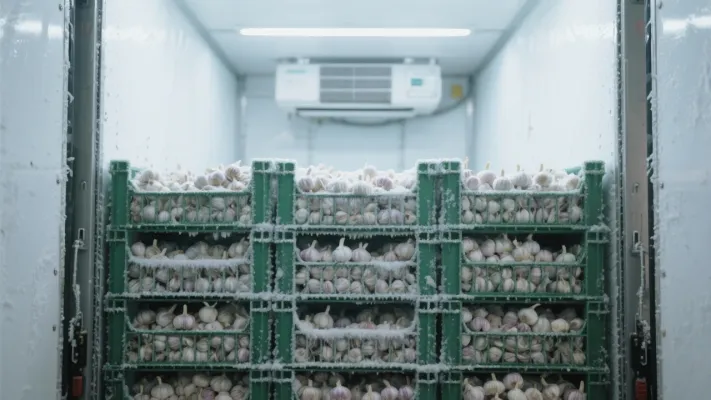
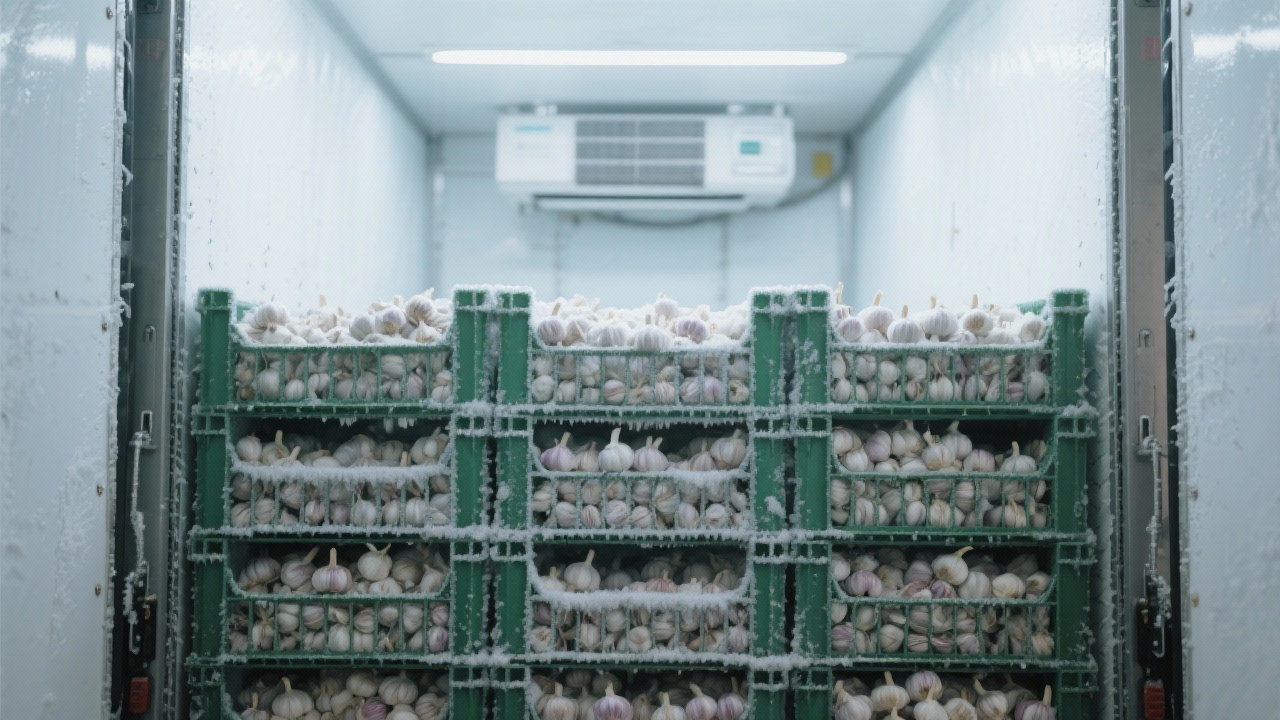
Quality control at source prevents costly inconsistencies. Use these professional benchmarks to evaluate every batch efficiently:
For restaurants aiming for operational excellence, establishing a standardized incoming garlic inspection is vital. Consider this practical workflow:
Keeping records enables traceability and supplier accountability, helping you maintain steady flavor output and reduce waste.
Consistently using the right garlic variety at optimal freshness enhances the signature aromas your patrons anticipate. It supports kitchen efficiency, reduces returns, and minimizes ingredient cost fluctuations.
Want to elevate your raw material quality controls with tailored, easy-to-follow inspection checklists? Discover our comprehensive PDF guide on establishing original raw ingredient acceptance standards.
 450
|
450
|
 10kg mesh bag packaging
garlic export packaging
sustainable agricultural logistics
cold chain packaging solutions
cross-border food transportation
10kg mesh bag packaging
garlic export packaging
sustainable agricultural logistics
cold chain packaging solutions
cross-border food transportation
 494
|
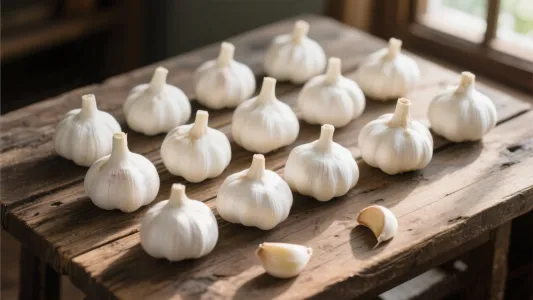
Grade A white garlic
garlic quality standards
export garlic sourcing
premium garlic identification
garlic procurement guide
494
|
Grade A white garlic
garlic quality standards
export garlic sourcing
premium garlic identification
garlic procurement guide
 342
|
garlic cross-border transport loss
10kg mesh bag packaging
agricultural cold chain packaging
food logistics optimization
garlic storage technology
342
|
garlic cross-border transport loss
10kg mesh bag packaging
agricultural cold chain packaging
food logistics optimization
garlic storage technology
 355
|
white garlic storage techniques
10kg mesh bag packaging
garlic freshness preservation
cold chain logistics for garlic
garlic quality assurance
355
|
white garlic storage techniques
10kg mesh bag packaging
garlic freshness preservation
cold chain logistics for garlic
garlic quality assurance
 194
|
Mesh bag packaging
Garlic preservation
Agricultural product transportation
Cold-chain logistics
Packaging breathability
194
|
Mesh bag packaging
Garlic preservation
Agricultural product transportation
Cold-chain logistics
Packaging breathability


.png?x-oss-process=image/resize,h_600,m_lfit/format,webp)





.png?x-oss-process=image/resize,h_200,m_lfit/format,webp)





 TikTok
 Facebook