
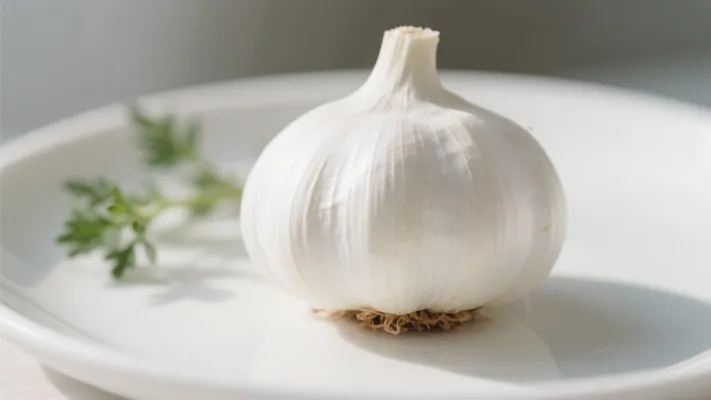
There's nothing more frustrating than reaching for that head of red garlic you bought just last week, only to find it sprouting or losing its pungent aroma. As someone who's spent years perfecting the art of preserving fresh ingredients, I've learned that proper garlic storage isn't just about keeping it from rotting—it's about maintaining that distinctive flavor and nutritional value that makes red garlic such a culinary treasure.
Red garlic isn't just a flavorful addition to your favorite dishes; it's a nutritional powerhouse. What many people don't realize is that those same sulfur compounds that give garlic its characteristic smell and taste are also responsible for most of its health benefits. Research suggests these compounds may support cardiovascular health and have antioxidant properties.
Garlic is a living plant, even after harvest. It naturally wants to sprout and grow, especially when exposed to the wrong conditions. Understanding this biological process is key to keeping your garlic fresh longer.
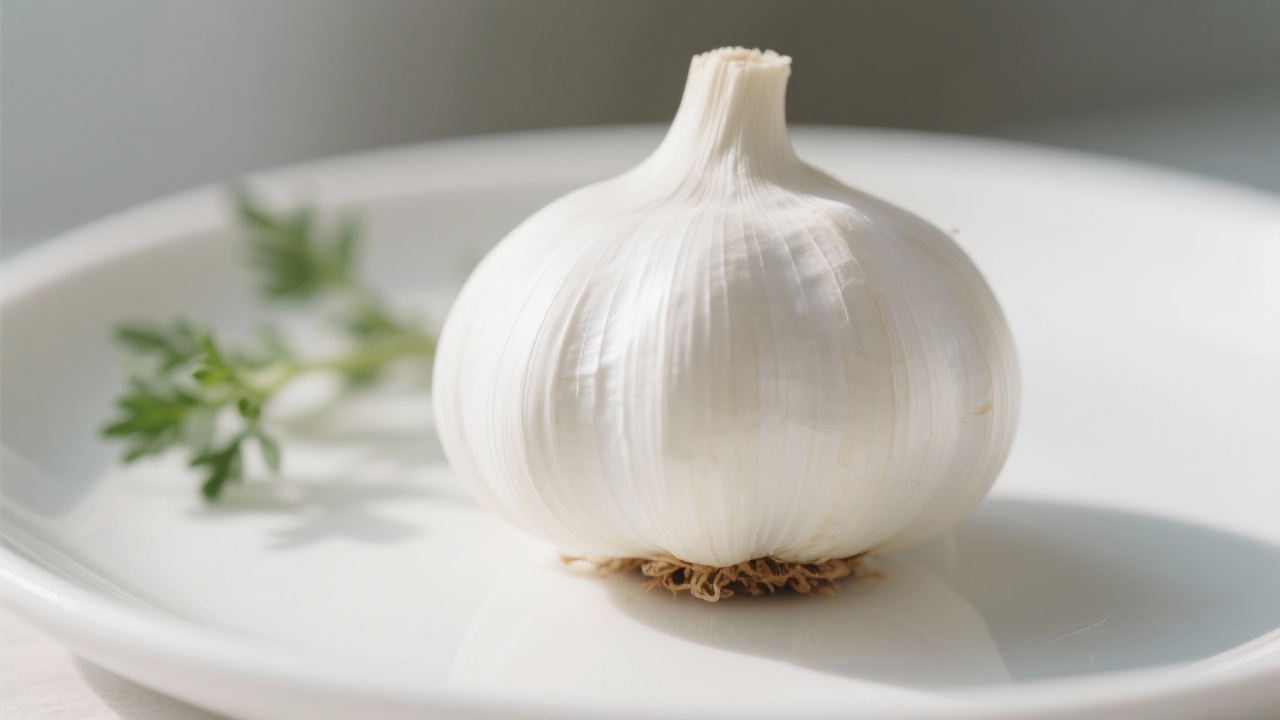
Most people make the mistake of storing garlic in the refrigerator, thinking colder is better. But garlic actually prefers a cool, stable environment—ideally between 15-20°C (59-68°F). When temperatures drop below 10°C (50°F), garlic starts converting its starches to sugars, altering both texture and flavor.
15-20°C (59-68°F) maintains dormancy without cold damage
Below 10°C (50°F) or above 25°C (77°F) accelerates sprouting
Humidity might be the trickiest factor to manage. Garlic needs enough moisture to prevent drying out (which makes it papery and flavorless) but not so much that mold develops. The ideal relative humidity is between 60-70%.
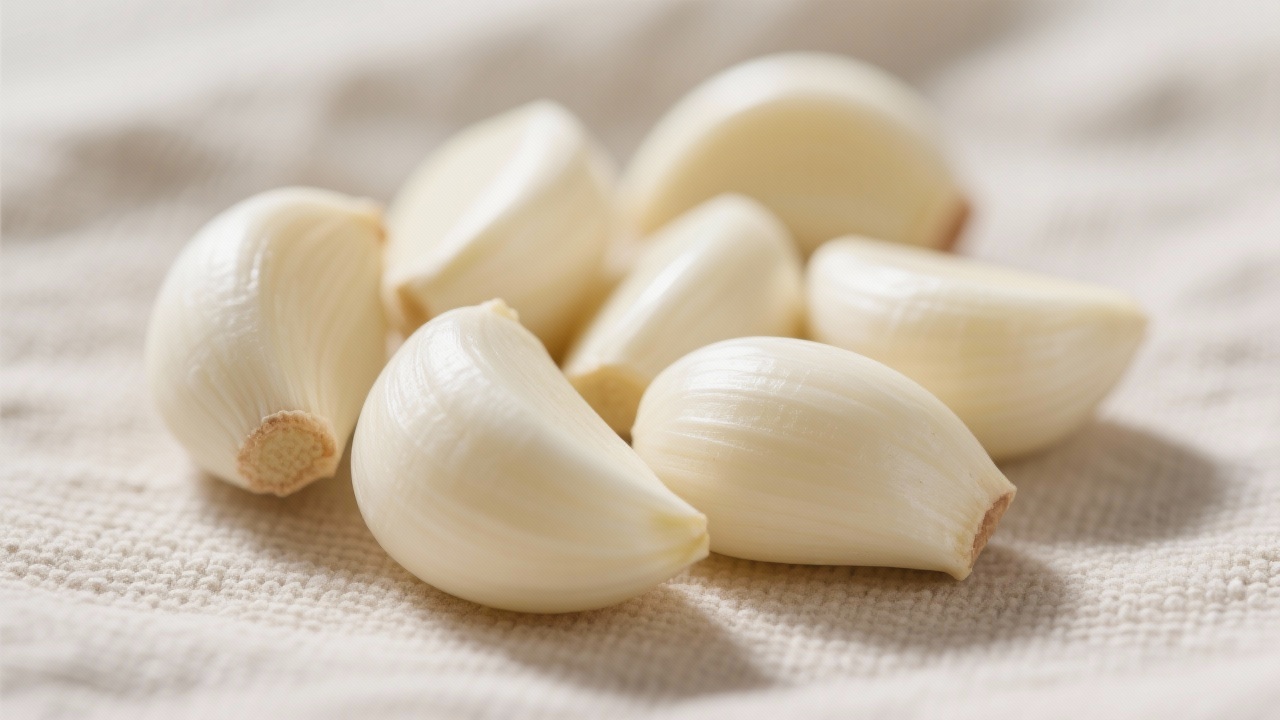
Light exposure triggers sprouting, so your storage location must be dark. A kitchen cupboard or pantry works well. While garlic needs ventilation to prevent moisture buildup, excessive air circulation can dry it out. This is where proper containers become essential.
One of my favorite techniques combines a sealed container with uncooked rice to absorb excess moisture. Here's how it works:
The rice acts as a natural desiccant, absorbing just enough moisture to prevent sprouting while keeping the garlic from drying out. This method can extend your garlic's freshness by 2-3 months!
While whole bulbs shouldn't go in the fridge, there is an exception: once you've broken the head and started using individual cloves. Peeled or chopped garlic can be stored in an airtight container in the refrigerator for up to two weeks.
Freezing is possible but comes with trade-offs. Frozen garlic works well for cooked dishes but loses much of its raw pungency. If you must freeze it, chop the garlic first and store in small portions to avoid repeatedly thawing and refreezing.
Cause: Too much light, warmth, or moisture
Solution: Move to cooler location, reduce humidity with rice method
Cause: Too much air circulation, low humidity
Solution: Transfer to more enclosed container, check rice moisture
Cause: Excess moisture, poor ventilation
Solution: Discard affected bulbs, improve air circulation, replace rice
Have you ever noticed how some garlic bulbs last for months while others sprout within weeks? Much depends on the quality of the garlic when you buy it. Look for firm bulbs with tight, unbroken skins and no signs of sprouting or soft spots—this initial selection can make all the difference in storage life.
Discover professional-grade storage solutions that help maintain optimal conditions for your red garlic, ensuring maximum flavor and nutrition retention.
Explore 亿商桥 Storage SolutionsI'd love to hear about your experiences with red garlic storage! Do you have a family secret or special technique that keeps your garlic fresh for months? Share your tips in the comments below—let's build a community of garlic storage experts!
 193
|
193
|
 garlic packaging design
agricultural product transportation preservation
mesh bag packaging
cold chain logistics management
export garlic freshness technology
garlic packaging design
agricultural product transportation preservation
mesh bag packaging
cold chain logistics management
export garlic freshness technology
 439
|
garlic varieties comparison
allicin content
garlic export
garlic flavor profiles
nutritional value of garlic
439
|
garlic varieties comparison
allicin content
garlic export
garlic flavor profiles
nutritional value of garlic
 147
|
year-round garlic supply
China garlic planting technology
Grade A garlic quality
crop rotation system
intelligent garlic storage
147
|
year-round garlic supply
China garlic planting technology
Grade A garlic quality
crop rotation system
intelligent garlic storage
 319
|
Chinese white garlic
garlic nutritional value
allicin benefits
health food buyers
functional superfood
319
|
Chinese white garlic
garlic nutritional value
allicin benefits
health food buyers
functional superfood
 495
|
garlic variety storage comparison
export garlic procurement guide
garlic storage techniques
purple garlic color retention
garlic storage temperature
495
|
garlic variety storage comparison
export garlic procurement guide
garlic storage techniques
purple garlic color retention
garlic storage temperature

.png?x-oss-process=image/resize,h_600,m_lfit/format,webp)







.png?x-oss-process=image/resize,h_200,m_lfit/format,webp)





 TikTok
 Facebook