
Whether you're sourcing ingredients for a high-end restaurant in Dubai or developing a premium food line for European supermarkets, choosing the right garlic variety isn't just about taste—it’s about consistency, shelf life, and culinary impact. With over 2 million tons of garlic produced globally each year (FAO 2023), understanding how different types perform across cuisines can make or break your menu's success.
Let’s cut through the confusion:
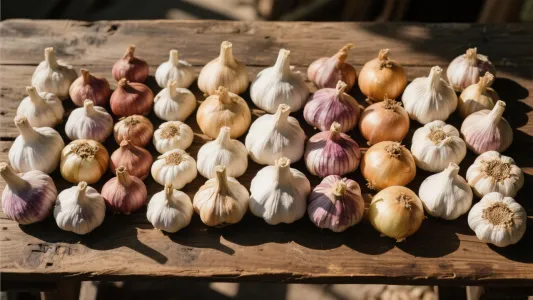
“I switched to purple garlic for my Caesar salads last year—and my clients noticed the difference immediately.” — Chef Elena Rossi, Milan-based Catering Director
Garlic doesn’t age well if stored above 4°C. At room temperature, it loses up to 30% of its freshness within two weeks. That’s why we recommend cold storage between -3°C and 0°C—a standard we maintain using our advanced logistics network at Yishang Bridge.
This means no matter where you are—from New York to Riyadh—you get bulbs that feel firm, smell fresh, and deliver consistent results. And yes, even in summer months, when humidity spikes, our packaging ensures minimal weight loss (<1% per month).
Here’s how top restaurants use them:
And here’s the secret: always check for tight, plump cloves. Soft spots mean early spoilage—and that’s not something your customers will forgive.
Ready to elevate your menu with garlic that performs as good as it looks?
Choose Yishang Bridge—where quality meets reliability, and every batch feels like the first.
Explore Our Premium Garlic Range Now
 472
|
472
|
 Year-round garlic supply
High-quality garlic planting technology
Cold chain logistics for preservation
European garlic imports
Garlic production management
Year-round garlic supply
High-quality garlic planting technology
Cold chain logistics for preservation
European garlic imports
Garlic production management
 39
|
fresh ginger functional ingredient
gingerol health benefits
natural health food development
global ginger export
ginger extract applications
39
|
fresh ginger functional ingredient
gingerol health benefits
natural health food development
global ginger export
ginger extract applications
 192
|
fresh garlic quality assessment
cold storage technology for garlic
garlic preservation methods
agricultural supply chain optimization
garlic selection guide
192
|
fresh garlic quality assessment
cold storage technology for garlic
garlic preservation methods
agricultural supply chain optimization
garlic selection guide
 416
|
International garlic application
Red and purple garlic cooking techniques
Garlic variety flavors
Garlic packaging advantages
Chef's garlic selection guide
416
|
International garlic application
Red and purple garlic cooking techniques
Garlic variety flavors
Garlic packaging advantages
Chef's garlic selection guide
 415
|
organic ginger cultivation
export grade ginger standards
pesticide-free ginger production
organic farming best practices
food safety compliance
415
|
organic ginger cultivation
export grade ginger standards
pesticide-free ginger production
organic farming best practices
food safety compliance



.png?x-oss-process=image/resize,h_600,m_lfit/format,webp)




.png?x-oss-process=image/resize,h_200,m_lfit/format,webp)





 TikTok
 Facebook