
For B2B buyers sourcing high-quality garlic from trusted suppliers like Yishangqiao, understanding the differences between garlic varieties isn’t just helpful—it’s essential for product development, recipe innovation, and meeting global consumer expectations.
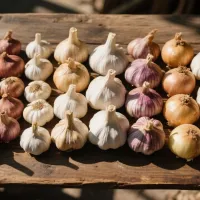
According to culinary experts at the International Culinary Institute, there are four primary garlic types used in commercial kitchens worldwide:
“Red garlic is not just visually striking—it brings a unique depth to any dish,” says Chef Lin Wei, who has worked with premium food brands across Southeast Asia. “It’s especially effective when you want to elevate simple recipes like cold salads or homemade sauces.”
Here’s how to use red garlic in two popular home-style recipes that can be easily scaled for export-ready packaging or restaurant menus:
These recipes aren’t just tasty—they’re scalable, culturally adaptable, and demonstrate why red garlic is gaining traction in gourmet foodservice sectors globally.
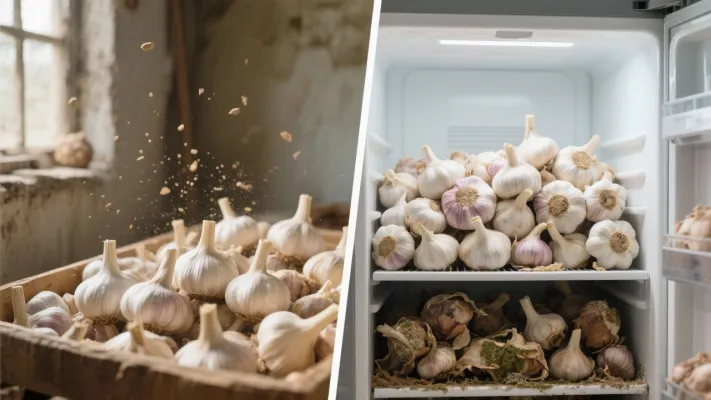
A recent study by the Food Logistics Research Group found that improper storage causes up to 37% of garlic flavor degradation within 3 weeks. At Yishangqiao, we maintain strict temperature control (0–4°C) throughout the supply chain—from harvest to shipment—which preserves allicin levels and ensures consistent quality.
This means your customers get garlic that tastes fresher, smells more vibrant, and performs better in both industrial and retail settings.
Ready to source premium red garlic for your next product launch?
Let us help you build healthier, more flavorful offerings—with full traceability, consistent quality, and expert support.
Explore Our Red Garlic Range Now
 260
|
260
|
 premium white garlic Europe
Grade A garlic demand
garlic supply chain solutions
foodservice garlic sourcing
cold storage garlic packaging
premium white garlic Europe
Grade A garlic demand
garlic supply chain solutions
foodservice garlic sourcing
cold storage garlic packaging
 456
|
Class A white garlic
garlic grading standards
high - quality garlic identification
garlic procurement skills
garlic quality assessment
456
|
Class A white garlic
garlic grading standards
high - quality garlic identification
garlic procurement skills
garlic quality assessment
 171
|
garlic selection tips
garlic storage techniques
fresh garlic packaging
garlic保鲜方法
garlic export management
171
|
garlic selection tips
garlic storage techniques
fresh garlic packaging
garlic保鲜方法
garlic export management
 447
|
A-grade white garlic
European garlic market
cold chain storage
food safety standards
brand storytelling
447
|
A-grade white garlic
European garlic market
cold chain storage
food safety standards
brand storytelling
 432
|
garlic transport packaging
10kg mesh bag
reduce garlic mold
cold chain logistics
sustainable packaging solutions
432
|
garlic transport packaging
10kg mesh bag
reduce garlic mold
cold chain logistics
sustainable packaging solutions



.png?x-oss-process=image/resize,h_600,m_lfit/format,webp)






.png?x-oss-process=image/resize,h_200,m_lfit/format,webp)





 TikTok
 Facebook