
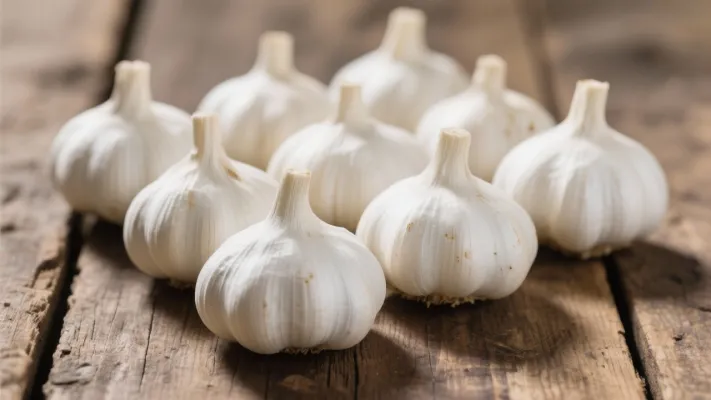
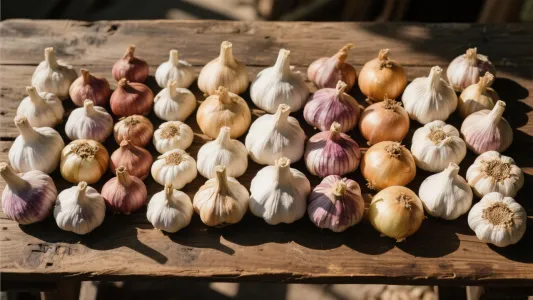
As a chef or food enthusiast, you've probably experienced that moment when a sauce tastes good but lacks that "wow" factor— that certain depth and complexity that makes customers remember your dish long after the meal ends. What if I told you the secret ingredient might be sitting in your produce section right now? Red garlic, often overlooked in favor of regular white garlic, could be the game-changer your culinary creations have been missing.
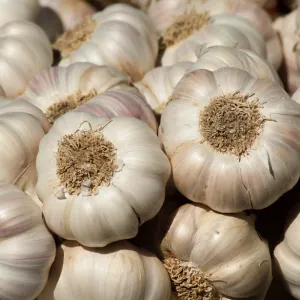
Not all garlic is created equal. While white garlic varieties certainly have their place in the kitchen, red garlic brings unique properties that make it particularly suited for marination applications. Studies by food science researchers at the Institute of Food Technologists show that red garlic contains up to 30% higher levels of allicin—the compound responsible for garlic's distinctive aroma and flavor—compared to standard white garlic varieties.
Chef's Insight: "Red garlic offers a more complex flavor profile—earthy with subtle sweet undertones—that develops beautifully during slow marination. I've noticed customers can immediately tell the difference in our signature marinades." — Marco Rossi, Executive Chef at Savour Restaurant Group
When it comes to marination, red garlic's magic lies in its unique chemical composition. The organosulfur compounds in red garlic are more stable during prolonged marination, releasing flavor gradually rather than hitting the palate all at once. This translates to a more balanced, layered taste experience in your final dish.
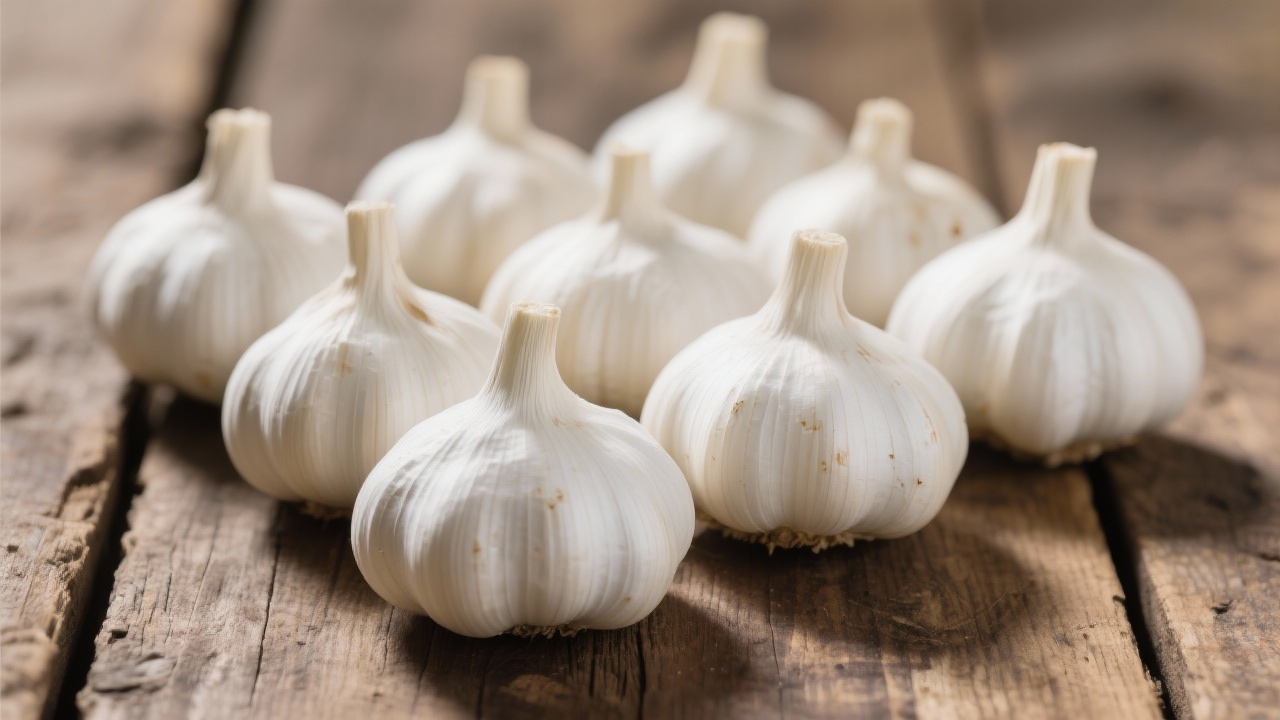
Red garlic contains a unique combination of alliin and alliinase enzymes that, when crushed or chopped, react to form allicin. During marination, especially at lower temperatures, this compound breaks down into a variety of sulfur-containing compounds that contribute to the characteristic garlic flavor profile. Research published in the Journal of Food Science indicates that red garlic maintains approximately 65% of its flavor-active compounds after 72 hours of cold marination, compared to only 42% retention in standard white garlic.
This scientific advantage translates to real-world benefits in your kitchen. When you use red garlic in your marinades, you're not just adding garlic flavor—you're creating a dynamic flavor system that evolves and deepens over time, resulting in sauces and marinades with remarkable complexity.
Creating a robust base sauce is the cornerstone of many menu items, and red garlic can elevate this foundation to new heights. Begin by creating a fine red garlic paste—this maximizes surface area for flavor release. For optimal results, combine 2 parts red garlic with 1 part neutral oil and a pinch of salt, then process until smooth.
This paste forms an excellent foundation for tomato-based sauces, curry bases, and stir-fry sauces. When added early in the cooking process, it develops a deep, rounded flavor that permeates the entire dish. Professional chefs report that sauces made with red garlic paste maintain their flavor intensity for up to 30% longer than those made with standard garlic, even after multiple reheats—a crucial advantage in busy commercial kitchens.
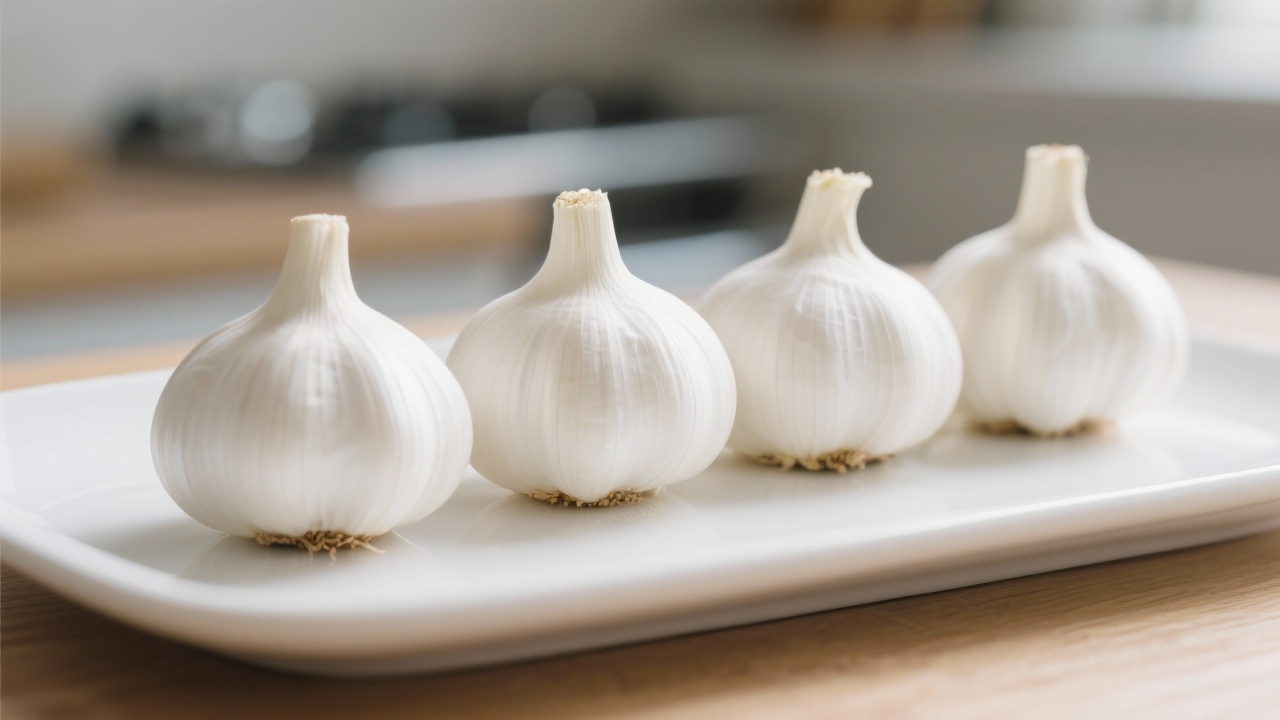
Pickled vegetables are experiencing a renaissance on restaurant menus, and red garlic can transform this simple preparation into a signature offering. The key is creating a brine that balances acidity, sweetness, and garlic flavor.
A professional formula that delivers consistent results includes: 1 liter water, 100g sea salt, 80g sugar, 60ml vinegar, and 100g thinly sliced red garlic. Bring to a simmer, cool completely, then pour over vegetables. The result is pickled items with bright flavor and subtle garlic undertones that enhance rather than overpower.
Many chefs make the error of adding garlic directly to hot brine, which denatures the enzymes and results in bitter, harsh flavor. Always allow your brine to cool to below 40°C before adding red garlic to preserve its delicate flavor compounds.
When it comes to marinating proteins, red garlic offers distinct advantages. Its flavor compounds penetrate more deeply than standard garlic, resulting in more evenly flavored meat. A study by the American Meat Science Association found that red garlic marinades increased flavor penetration depth by an average of 40% compared to identical marinades made with white garlic.
For a versatile protein marinade, combine 100g crushed red garlic, 200ml soy sauce, 100ml rice vinegar, 50g brown sugar, and 2 tablespoons of neutral oil. This works wonders on everything from chicken breasts to pork tenderloin, with optimal marination time ranging from 4 hours to overnight depending on the protein thickness.
Chef Elena Wong transformed her struggling Asian fusion restaurant by reimagining her signature dumpling sauce with red garlic. "Our dumpling sales increased by 23% within two months of switching to red garlic," she reports. "Customers specifically mention the 'unique garlic flavor' in online reviews now."
Similarly, Mike Thompson, owner of a BBQ chain in the Southwest, credits red garlic with helping his brisket marinade win regional culinary awards. "The judges commented on the 'complex garlic undertones' that set our brisket apart. Red garlic didn't just add flavor—it created a memorable dining experience that people talk about."
Ready to elevate your culinary creations with red garlic? Here are actionable tips to implement immediately:
What's your experience with red garlic in marination? Have you discovered a technique that works particularly well in your kitchen? Share your thoughts and questions in the comments below—let's build a community of flavor innovators!
Ready to transform your menu with the unique flavor power of premium red garlic? Discover how our fresh, high-quality red garlic can become your secret weapon for creating memorable culinary experiences.
Get Your Premium Red Garlic TodayRemember, in the competitive world of food service, it's often the subtle differences that create loyal customers. Red garlic isn't just an ingredient—it's your pathway to distinctive, memorable flavors that keep people coming back for more.
 96
|
96
|
 garlic packaging solutions
mesh bag for garlic
cold chain logistics for fresh produce
garlic quality preservation
agricultural supply chain optimization
garlic packaging solutions
mesh bag for garlic
cold chain logistics for fresh produce
garlic quality preservation
agricultural supply chain optimization
 183
|
garlic cold storage
HACCP certified cold chain
export food safety compliance
冷链管理实践
vitamin C retention in garlic
183
|
garlic cold storage
HACCP certified cold chain
export food safety compliance
冷链管理实践
vitamin C retention in garlic
 242
|
garlic preservation
cold storage temperature control
food freshness
cold chain storage
humidity management
242
|
garlic preservation
cold storage temperature control
food freshness
cold chain storage
humidity management
 417
|
International garlic application
Red and purple garlic cooking techniques
Garlic variety flavors
Garlic packaging advantages
Chef's garlic selection guide
417
|
International garlic application
Red and purple garlic cooking techniques
Garlic variety flavors
Garlic packaging advantages
Chef's garlic selection guide
 357
|
Premium garlic
European market
Garlic variety selection
Garlic storage technology
Supply chain management
357
|
Premium garlic
European market
Garlic variety selection
Garlic storage technology
Supply chain management



.png?x-oss-process=image/resize,h_600,m_lfit/format,webp)






.png?x-oss-process=image/resize,h_200,m_lfit/format,webp)





 TikTok
 Facebook