
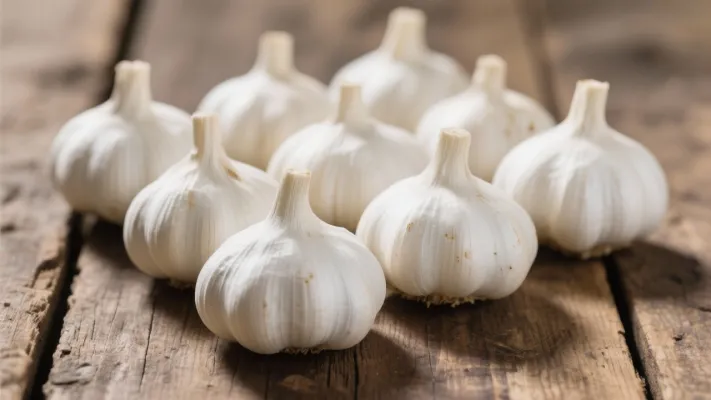
Did you know that not all garlic is created equal? While white garlic has long been a kitchen staple, a vibrant crimson variety is quietly revolutionizing the health food scene. Red garlic, with its striking purple-tinged cloves, isn't just a visual delight—it's a nutritional powerhouse backed by increasingly compelling scientific research.
In recent years, red garlic has transitioned from specialty markets to mainstream attention, and for good reason. Consumer interest in functional foods has surged, with global market research indicating a 17% annual growth in demand for garlic products with enhanced health claims. What makes this variety stand out in the competitive superfood category?
Unlike its white counterpart, red garlic develops its distinctive color during a unique maturation process, accumulating higher concentrations of specific bioactive compounds. This natural enhancement creates a nutritional profile that researchers at the Journal of Nutrition have called "remarkably superior" in certain key aspects.
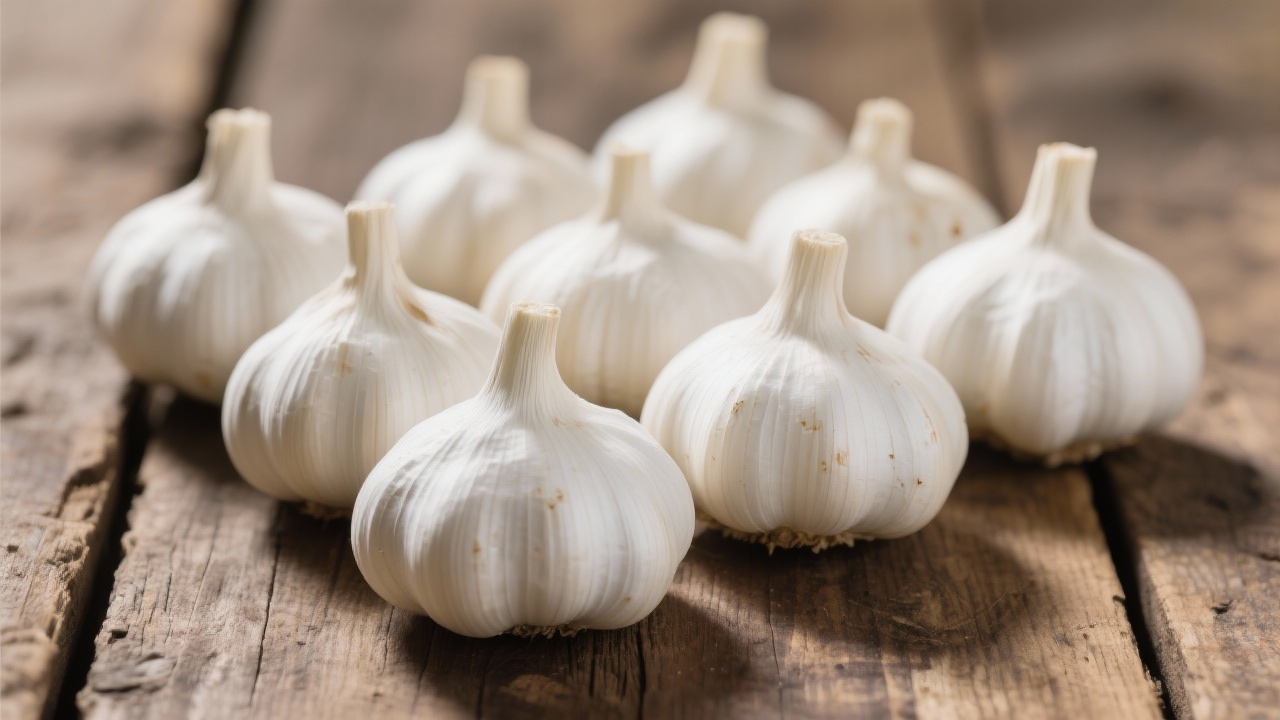
The most visually striking difference in red garlic is its anthocyanin content—the same class of antioxidants that gives blueberries and red wine their health-promoting properties. Red garlic contains approximately 3.2 mg of anthocyanins per 100g serving, a compound entirely absent in standard white garlic varieties.
"Anthocyanins isolated from red garlic demonstrated 2.3 times higher free radical scavenging activity compared to common garlic varieties in in vitro testing." — Food Chemistry, 2022
Allicin, the well-known sulfur compound in garlic, transforms into various bioactive metabolites when crushed or chewed. Studies show red garlic maintains these beneficial compounds longer during cooking compared to white garlic, with heat stability increased by approximately 28% according to research published in the Journal of Agricultural and Food Chemistry.
Red garlic offers a robust micronutrient profile, including:
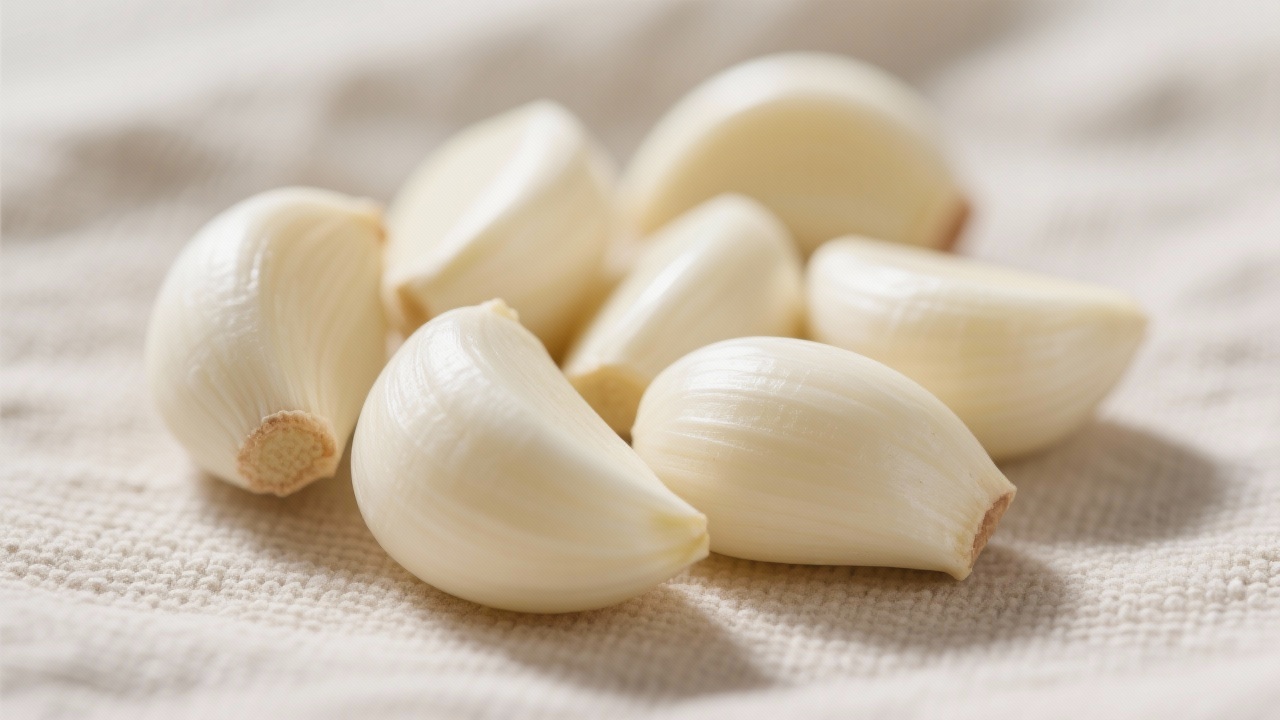
Modern life constantly challenges our immune systems, making natural support more important than ever. A 12-week clinical trial published in the European Journal of Clinical Nutrition found that participants consuming red garlic daily experienced:
These effects are attributed to red garlic's unique combination of antioxidants and sulfur compounds working synergistically to enhance immune cell function and reduce oxidative stress.
Chronic inflammation is linked to numerous health conditions, from arthritis to cardiovascular disease. Red garlic contains compounds that inhibit COX-2 enzymes and reduce pro-inflammatory cytokines. In a study with participants suffering from mild joint pain, daily red garlic consumption led to a 29% reduction in pain scores after just 4 weeks, with no reported side effects.
Several studies highlight red garlic's potential benefits for heart health. Research published in the American Journal of Hypertension demonstrated that regular consumption may help maintain healthy blood pressure levels, with an average reduction of 4.8/2.2 mmHg in participants with elevated readings. Additionally, red garlic has shown promise in supporting healthy cholesterol profiles by reducing LDL oxidation.
"The unique phytochemical profile of red garlic makes it particularly interesting for preventive health. Unlike supplements, whole red garlic provides a complex matrix of compounds that work together to deliver benefits beyond what isolated nutrients can achieve." — Dr. Elena K. Novak, Nutritional Biochemistry Researcher
How you prepare and consume red garlic significantly impacts its nutritional benefits. Have you ever wondered whether to eat garlic raw or cooked? The answer depends on your health goals.
Add 2-3 cloves daily to soups, stews, or roasted vegetables. The gentle cooking makes nutrients easily digestible while preserving key compounds that support cardiovascular health and immune function.
Incorporate 1-2 raw cloves (minced) into post-workout meals. The anti-inflammatory compounds help reduce exercise-induced muscle soreness, while sulfur compounds support muscle recovery and antioxidant status.
Prepare garlic-infused olive oil for quick meal additions. Add to pasta, roasted vegetables, or grain bowls for a flavor and nutrition boost that the whole family will enjoy.

Many people avoid garlic due to concerns about breath odor, but simple solutions exist. Chewing fresh parsley or mint leaves after consumption can significantly reduce lingering odors. Alternatively, odor-neutralizing garlic supplements derived from red garlic offer a convenient option for those concerned about social situations.
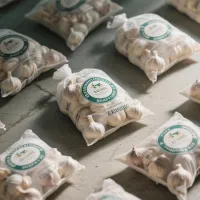
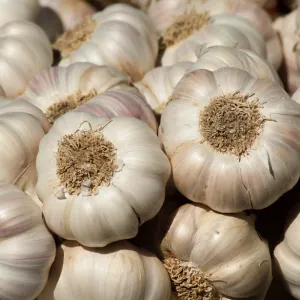
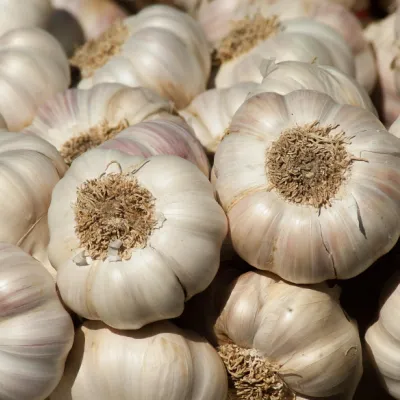
When selecting red garlic, look for firm bulbs with tight, unbroken skin. The color should be vibrant, with purple streaks visible between the cloves. Properly stored in a cool, dry place, red garlic can maintain its nutritional potency for up to three months.
Our team of nutrition experts has developed a comprehensive guide featuring science-backed strategies, delicious recipes, and personalized recommendations for integrating red garlic into your lifestyle.
Download Your Free Red Garlic Nutrition GuideJoin thousands who have already discovered the benefits of this remarkable superfood
As research continues to uncover the unique benefits of red garlic, it's clear this isn't just another food trend. Its combination of flavor, versatility, and proven health benefits makes it a valuable addition to any diet. Whether you're managing specific health concerns or simply looking to enhance your overall wellness, red garlic offers a natural, accessible solution with centuries of traditional use and modern scientific validation.
Consider this: while many spend hundreds on supplements and specialty foods, one of nature's most powerful health boosters might be as close as your local market's produce section. The next time you're planning your meals, ask yourself—could red garlic be the missing ingredient in your wellness routine?

 128
|
128
|
 European white garlic procurement
garlic quality certification
certified garlic supplier
garlic storage temperature
garlic packaging solutions
European white garlic procurement
garlic quality certification
certified garlic supplier
garlic storage temperature
garlic packaging solutions
 148
|
large white garlic vs pure white garlic
export garlic varieties comparison
premium garlic selection guide
garlic culinary applications
agricultural product grading standards
148
|
large white garlic vs pure white garlic
export garlic varieties comparison
premium garlic selection guide
garlic culinary applications
agricultural product grading standards
 339
|
export garlic quality assessment
fresh garlic selection tips
garlic storage methods
food safety standards for garlic
cold chain preservation techniques
339
|
export garlic quality assessment
fresh garlic selection tips
garlic storage methods
food safety standards for garlic
cold chain preservation techniques
 184
|
China garlic export standards
HACCP and GMP certification
garlic cold chain logistics
pesticide residue control for garlic exports
EU US market access for garlic
184
|
China garlic export standards
HACCP and GMP certification
garlic cold chain logistics
pesticide residue control for garlic exports
EU US market access for garlic
 255
|
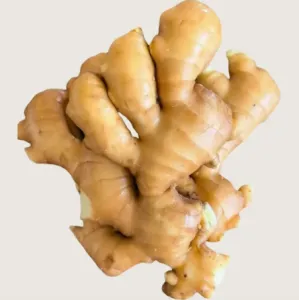
fresh ginger
health benefits of gingerol
curcumin
functional food
natural therapy
255
|
fresh ginger
health benefits of gingerol
curcumin
functional food
natural therapy



.png?x-oss-process=image/resize,h_600,m_lfit/format,webp)





.png?x-oss-process=image/resize,h_200,m_lfit/format,webp)





 TikTok
 Facebook