
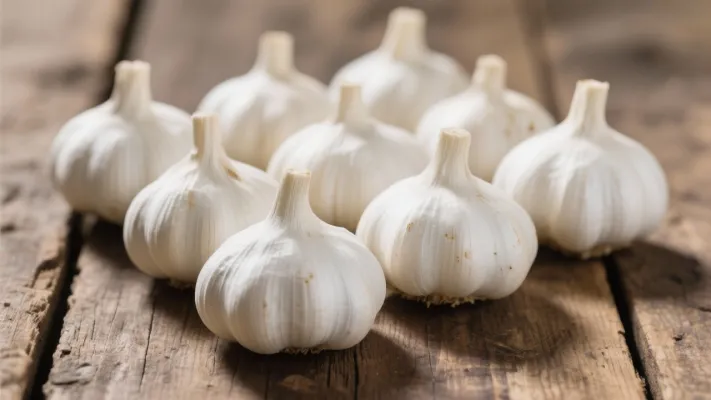
"The global garlic market is projected to reach $40.6 billion by 2028, growing at a CAGR of 6.2%. For B2B exporters, proper storage directly impacts product quality and market value, with up to 30% of garlic spoilage attributed to improper post-harvest handling." — International Fresh Produce Association, 2023
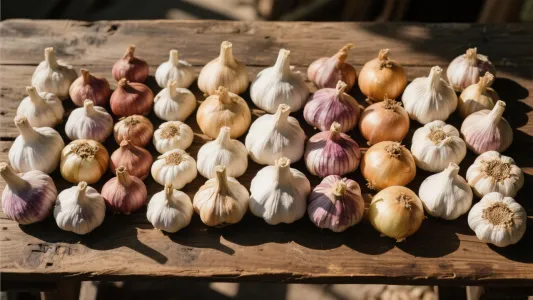
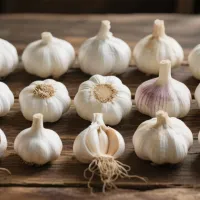
Red garlic, prized for its distinct flavor profile and higher allicin content compared to white garlic varieties, represents a significant segment in global agricultural trade. However, maintaining optimal quality during storage and transportation remains a persistent challenge for B2B sellers. Improper storage conditions can lead to three major issues that directly affect marketability:
Loss of moisture causes garlic cloves to shrink, become papery, and lose up to 40% of their market value within just 6-8 weeks of improper storage.
Exposure to light and suboptimal temperatures triggers sprouting, which can affect up to 25% of a garlic shipment, rendering it unsuitable for premium markets.
Excess moisture and poor ventilation create ideal conditions for mold growth and bacterial activity, producing unpleasant smells that make garlic unmarketable.
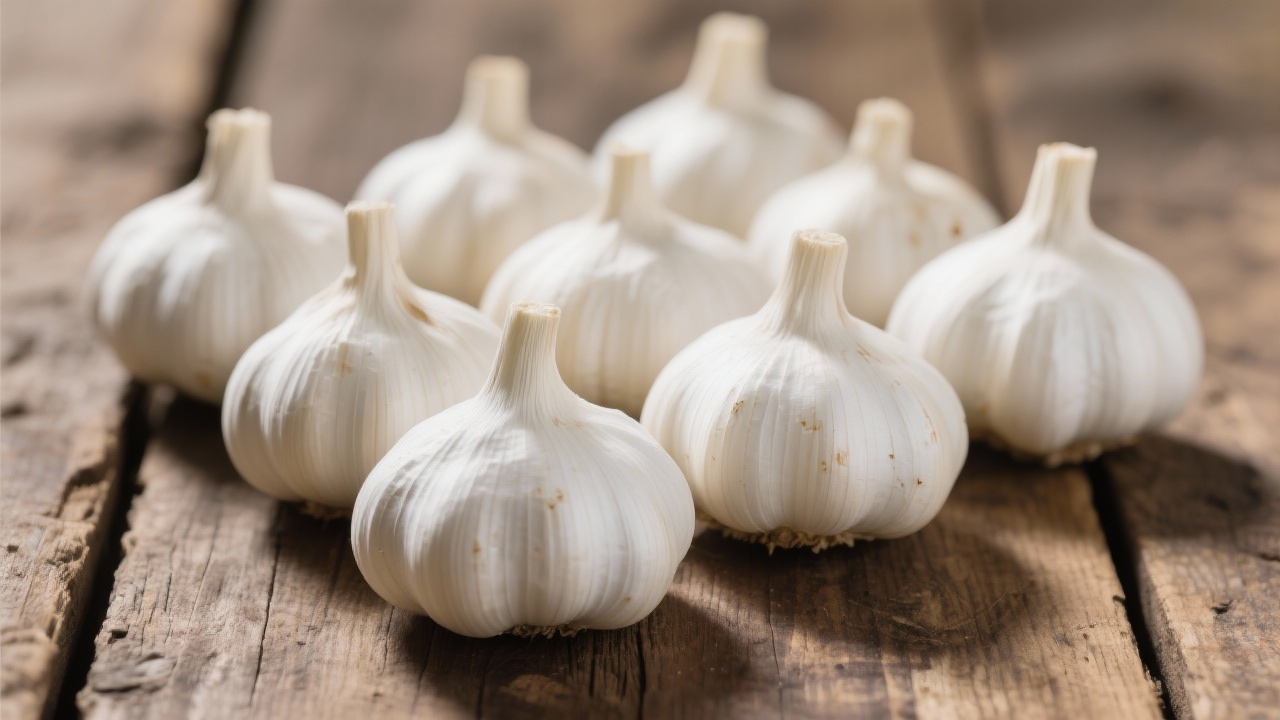
Understanding the optimal storage parameters is crucial for maintaining red garlic quality. The ideal environment balances temperature, humidity, and air circulation to preserve both texture and nutritional value.
Red garlic owes its unique flavor and health benefits to sulfur-containing compounds, particularly allicin. Research shows that these compounds begin to degrade at temperatures above 10°C (50°F) and are significantly reduced after just two weeks of improper storage. Maintaining the cold chain preserves not only the garlic's pungency but also its antioxidant properties, which have been linked to various health benefits.
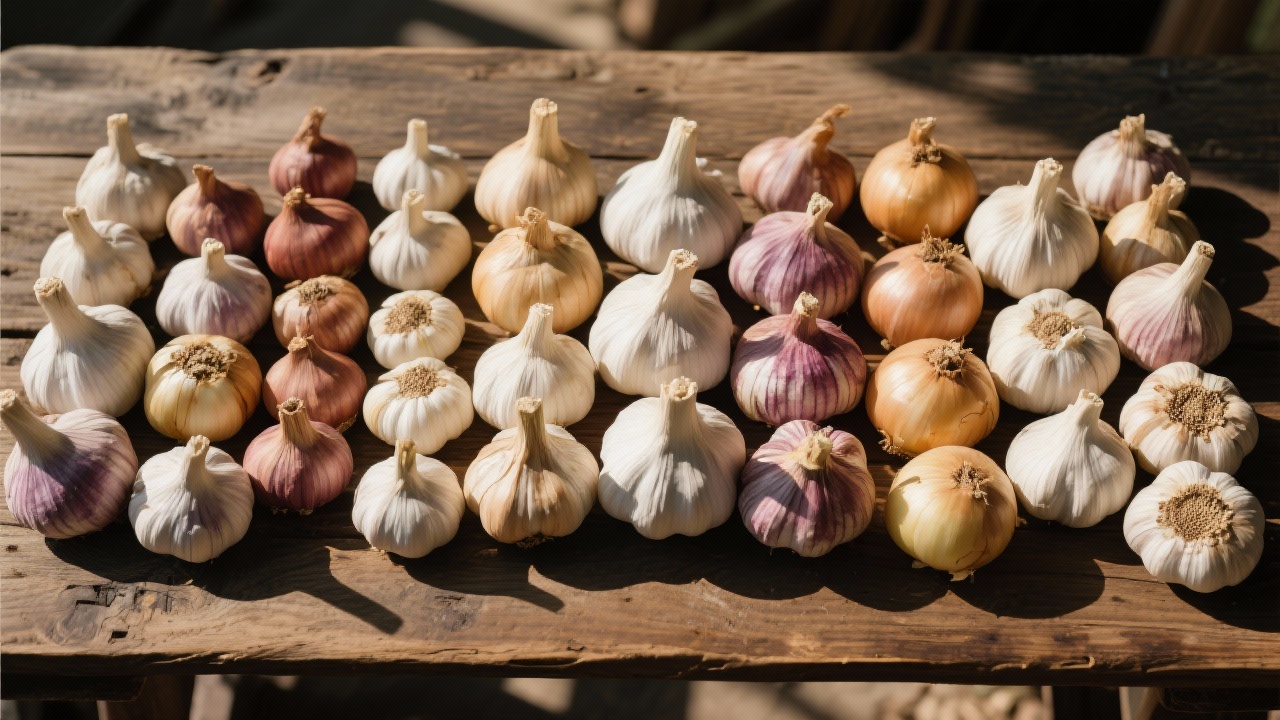
For B2B exporters, effective garlic storage requires scalable solutions that work across different stages of the supply chain. Here are proven techniques that have been validated by industry leaders:
Proper curing is the foundation of successful long-term storage. After harvest, red garlic should be dried in a well-ventilated area at 20-25°C (68-77°F) with 60-70% humidity for 2-3 weeks. This process hardens the outer skins and reduces moisture content to approximately 60-65%, creating a natural protective barrier against spoilage.
Modern packaging technologies offer significant advantages for B2B garlic storage and transportation:
Allows controlled gas exchange while preventing excessive moisture loss
Adjusts oxygen and carbon dioxide levels to slow respiration and sprouting
Promotes air circulation during storage and transportation
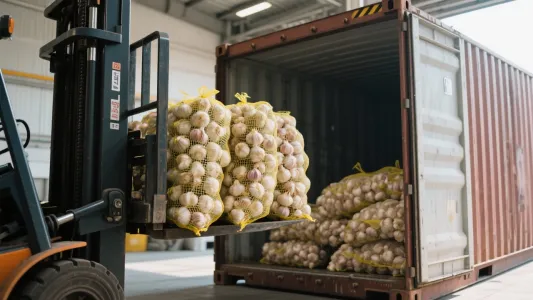
For container shipping, incorporating food-grade desiccants can maintain optimal humidity levels. Silica gel packets or rice-based moisture absorbers (100g per 5kg of garlic) placed strategically within packaging can reduce moisture-related losses by up to 40% during long sea voyages.
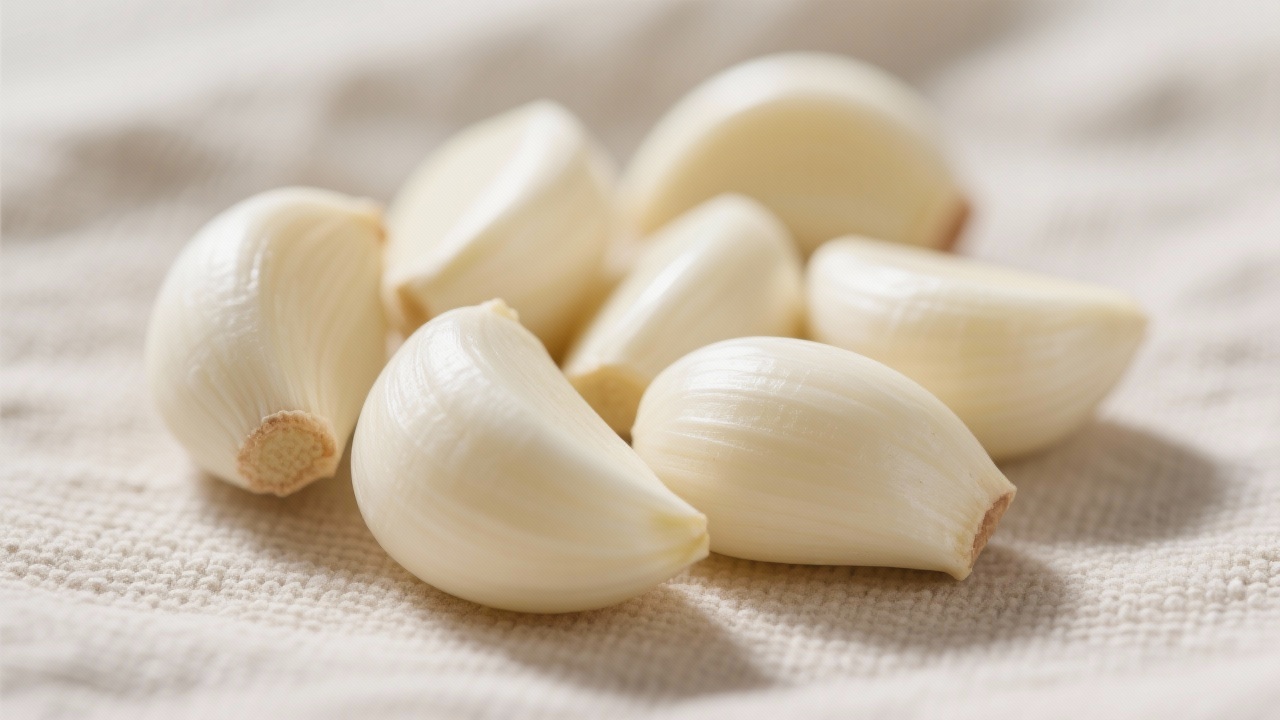
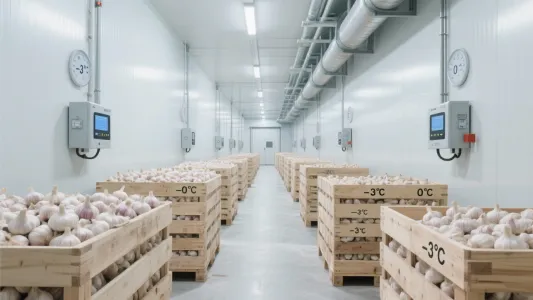
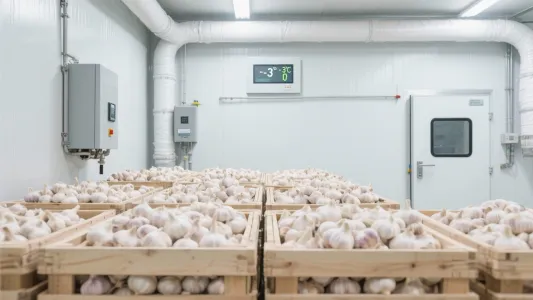
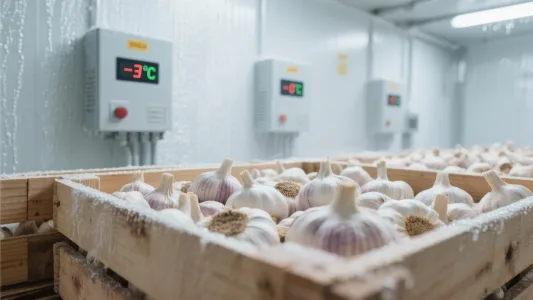
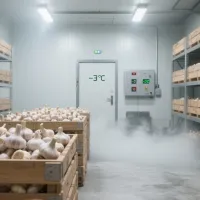
Even with proper pre-shipment storage, temperature fluctuations during transportation can undo all previous preservation efforts. For B2B exporters, investing in temperature-controlled containers is often cost-effective when shipping to distant markets. Studies show that maintaining a consistent temperature of 2-4°C (35-39°F) during transit can reduce spoilage rates from an industry average of 15-20% to as low as 5%.
Additionally, implementing real-time temperature monitoring systems provides valuable data for quality control and helps identify potential issues before they affect an entire shipment. These systems have become standard practice for premium garlic exporters targeting high-value markets in Europe and North America.
Partner with industry experts who understand the science of garlic preservation and global market requirements
Discover Our B2B Red Garlic Storage SolutionsWhat storage challenges have you encountered with red garlic exports? Have you found any innovative solutions that work for your specific market? Share your experiences in the comments below – the global garlic trading community benefits from shared knowledge and practical insights.
 319
|
319
|
 garlic export mold prevention
garlic cold chain transportation
garlic storage temperature humidity
international garlic logistics
garlic packaging protection
garlic export mold prevention
garlic cold chain transportation
garlic storage temperature humidity
international garlic logistics
garlic packaging protection
 194
|
Chinese premium garlic
fresh garlic nutrition
garlic market application
garlic health benefits
global garlic trends
194
|
Chinese premium garlic
fresh garlic nutrition
garlic market application
garlic health benefits
global garlic trends
 347
|
China white garlic
garlic export supply chain
Grade A garlic standards
garlic quality control
garlic cultivation technology
347
|
China white garlic
garlic export supply chain
Grade A garlic standards
garlic quality control
garlic cultivation technology
 490
|
garlic varieties comparison
garlic flavor differences
allicin content
garlic cooking guide
亿商桥
490
|
garlic varieties comparison
garlic flavor differences
allicin content
garlic cooking guide
亿商桥
 61
|
fresh bulk garlic preservation
garlic storage temperature humidity
garlic ventilation techniques
garlic mold pest prevention
extend garlic shelf life
61
|
fresh bulk garlic preservation
garlic storage temperature humidity
garlic ventilation techniques
garlic mold pest prevention
extend garlic shelf life


.png?x-oss-process=image/resize,h_600,m_lfit/format,webp)







.png?x-oss-process=image/resize,h_200,m_lfit/format,webp)





 TikTok
 Facebook