
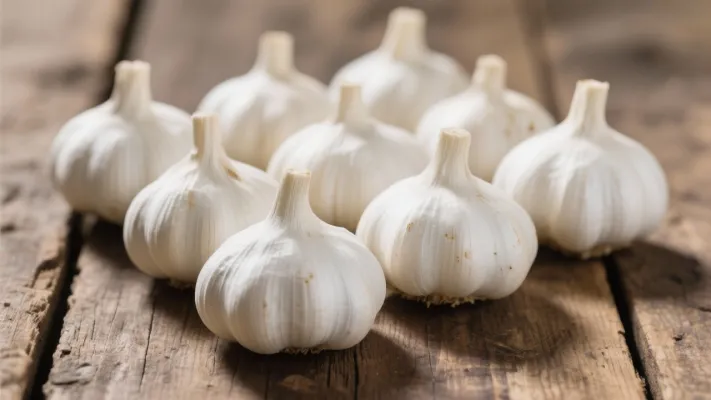
Achieving stable production of Grade-A red garlic requires a precise blend of scientific approaches in cultivation, soil management, and post-harvest processes. This guide focuses on essential techniques ranging from environmental selection and soil pH management, to fertilization, irrigation, and quality control — all proven to elevate red garlic to premium standards demanded by international markets.
The foundation for premium red garlic begins with selecting a location featuring well-drained loamy soil with optimal moisture retention. Soil pH plays a critical role; an ideal pH range of 6.0 to 6.8 fosters nutrient availability and microbial health vital for bulb development.
Continuous monitoring and adjustment of soil pH, such as liming acidic soils or sulfur amendment for alkalinity, ensure a stable growing medium that supports vigorous plant growth and minimizes physiological disorders.
A scientifically designed fertilization regime is pivotal for maximizing red garlic quality and yield. Prior to planting, incorporate organic matter such as well-composted manure at approximately 20-30 tons/ha. Supplement with balanced NPK fertilizers following soil tests:
The growing cycle typically spans 120-150 days, depending on variety and local conditions. Rigorous seed clove selection and nursery bed management ensure uniform germination and robust seedlings, which are critical for Grade-A outcomes.
Maintaining precise soil moisture without waterlogging is crucial. Drip irrigation systems optimized to deliver 400-600 mm of water throughout the season allow controlled hydration, reducing disease risks and promoting nutrient assimilation.
Proactive pest and disease control through integrated management—including crop rotation, resistant varieties, and selective biopesticides—preserves plant health and enhances bulb integrity. Key threats such as white rot, nematodes, and thrips must be regularly monitored.
A strict quality control protocol guarantees that only Grade-A bulbs reach the market. Screening involves multiple stages:
This multi-tiered assessment ensures the final product meets both consumer expectations and export standards, fostering brand trust and long-term partnerships.
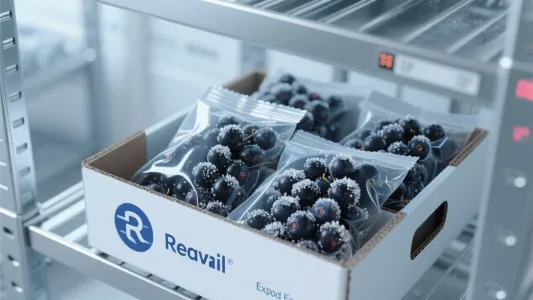
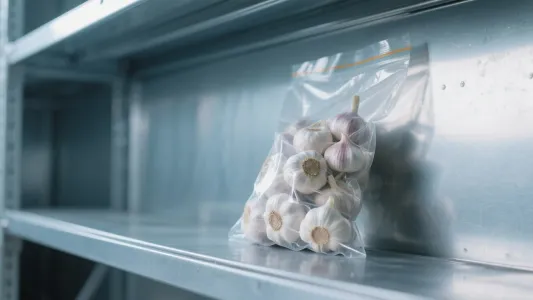
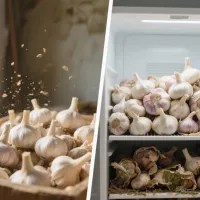
Maintaining red garlic freshness demands professional cold storage environments. Ideal temperature ranges between 0°C to 2°C with relative humidity of 65-70%, effectively extending shelf life by 3-4 months without quality loss.
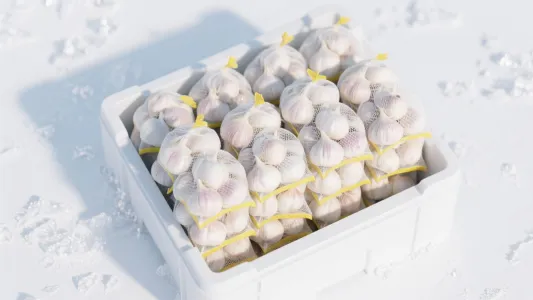
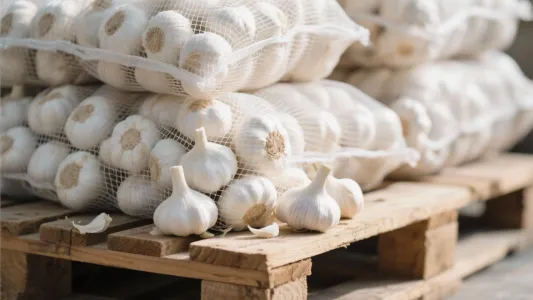
Packaging innovations such as breathable mesh bags and ventilated cartons facilitate air circulation, minimizing moisture accumulation and fungal growth. These measures significantly reduce post-harvest losses and stabilize supply chains for global distribution.
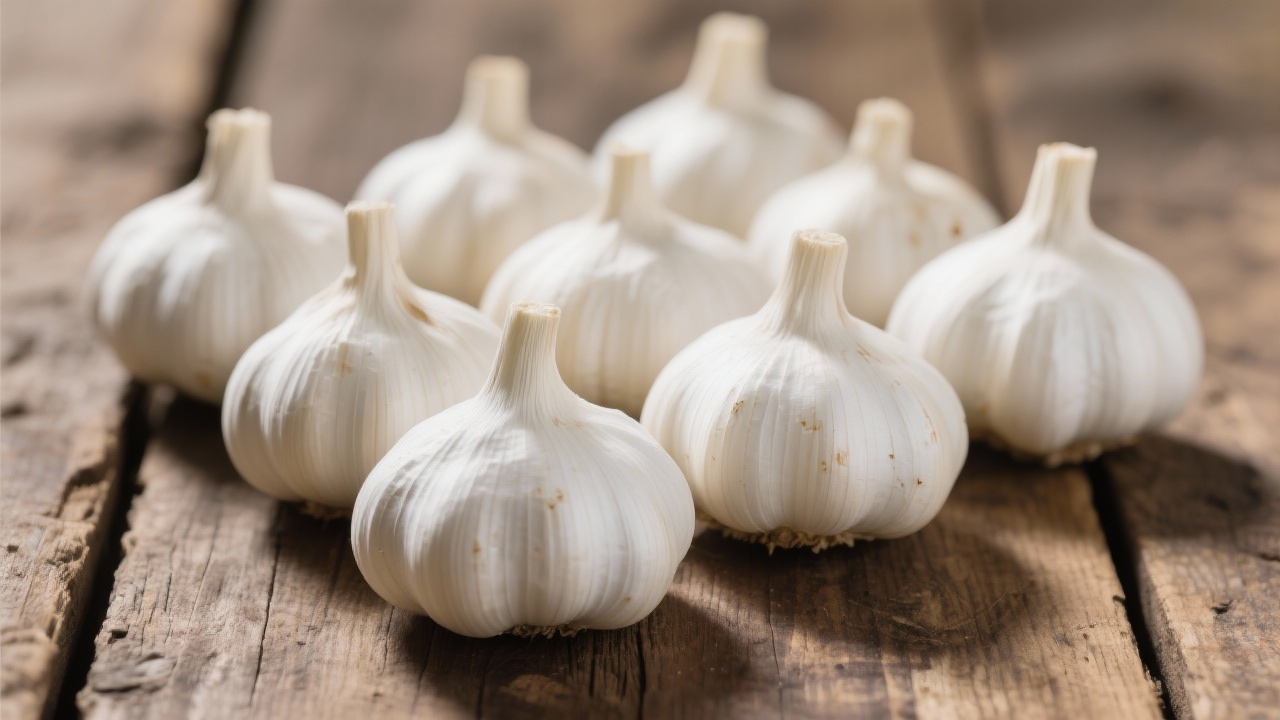
Have you implemented soil pH adjustments or advanced fertilization techniques in your red garlic fields? What results or obstacles have you encountered? Share your experiences below to help build a community of scientifically driven growers mastering Grade-A red garlic production.
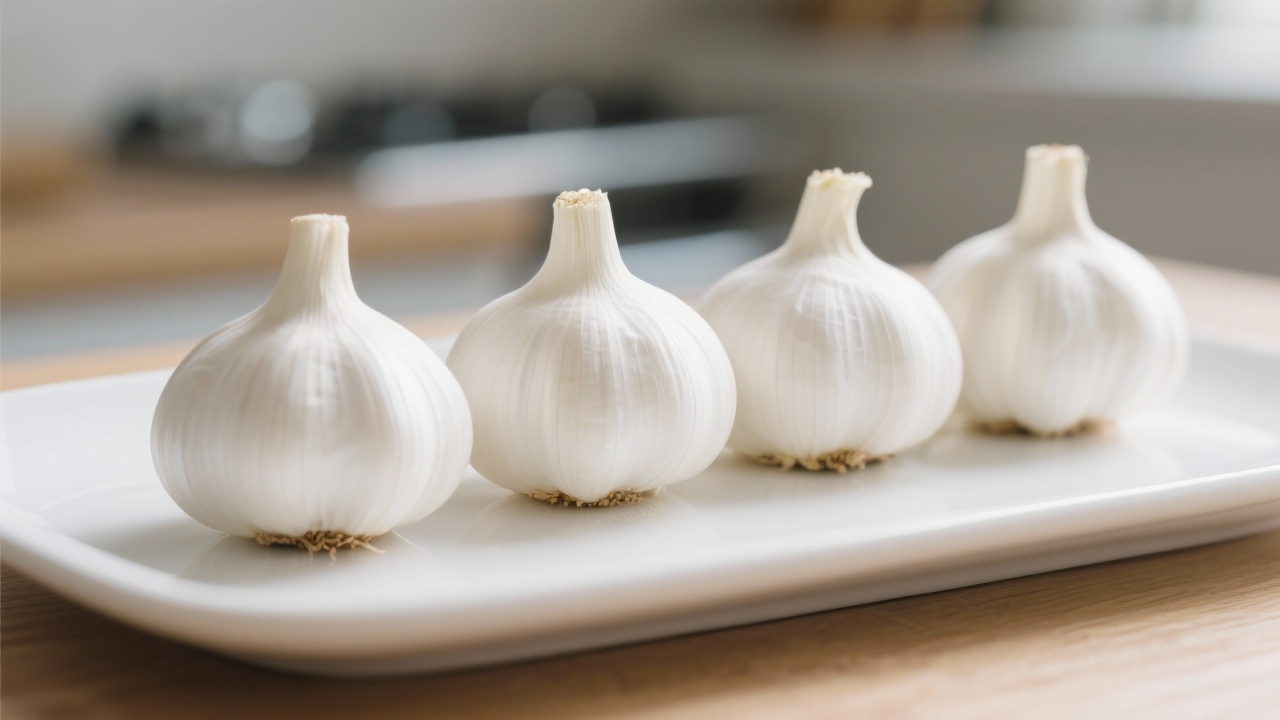
Mastery of these scientifically backed cultivation and post-harvest practices primes growers and exporters to meet stringent international quality standards consistently. Enhanced bulb quality directly translates into stronger buyer confidence and higher brand equity in competitive global markets.
For practitioners aiming at scaling production or elevating quality benchmarks, integrating automated sorting and cold chain technologies is a strategic investment that pays off in export volume and customer retention.
 303
|
303
|
 Garlic cold chain preservation
Agricultural product refrigeration technology
Cold chain logistics management
Global agricultural product supply chain
Shelf life extension technology
Garlic cold chain preservation
Agricultural product refrigeration technology
Cold chain logistics management
Global agricultural product supply chain
Shelf life extension technology
 246
|
garlic保鲜包装
mesh bag packaging for agriculture
cold chain logistics for produce
humidity control in food transport
post-harvest handling techniques
246
|
garlic保鲜包装
mesh bag packaging for agriculture
cold chain logistics for produce
humidity control in food transport
post-harvest handling techniques
 42
|
Mesh bag packaging
Garlic preservation
Agricultural product transportation
Cold - chain logistics
Packaging ventilation performance
42
|
Mesh bag packaging
Garlic preservation
Agricultural product transportation
Cold - chain logistics
Packaging ventilation performance
 404
|
garlic preservation technology
low-temperature garlic storage
mesh bag packaging benefits
cold chain garlic management
European garlic market demands
404
|
garlic preservation technology
low-temperature garlic storage
mesh bag packaging benefits
cold chain garlic management
European garlic market demands
 270
|
European white garlic procurement guide
Grade A+ garlic
high - quality garlic supply
garlic quality standards
refrigerated fresh - keeping garlic
270
|
European white garlic procurement guide
Grade A+ garlic
high - quality garlic supply
garlic quality standards
refrigerated fresh - keeping garlic
.png?x-oss-process=image/resize,h_600,m_lfit/format,webp)






.png?x-oss-process=image/resize,h_200,m_lfit/format,webp)





 TikTok
 Facebook