

For garlic farmers and buyers alike, there's nothing more frustrating than inconsistent quality. One batch of red garlic meets the premium A-grade standards, the next falls short—costing time, money, and valuable market opportunities. After working with over 200 garlic farms across China's major production regions, we've identified the precise techniques that separate occasional success from consistent A-grade harvests.
Did you know? A-grade red garlic commands 30-40% higher market prices compared to B-grade, yet only 15% of global garlic production consistently meets these standards.
Successful red garlic cultivation begins with location. The ideal site features:
Soil testing is non-negotiable. Conduct comprehensive analysis 3 months before planting to check for nutrient levels and heavy metal content—critical for export markets like the EU and North America.
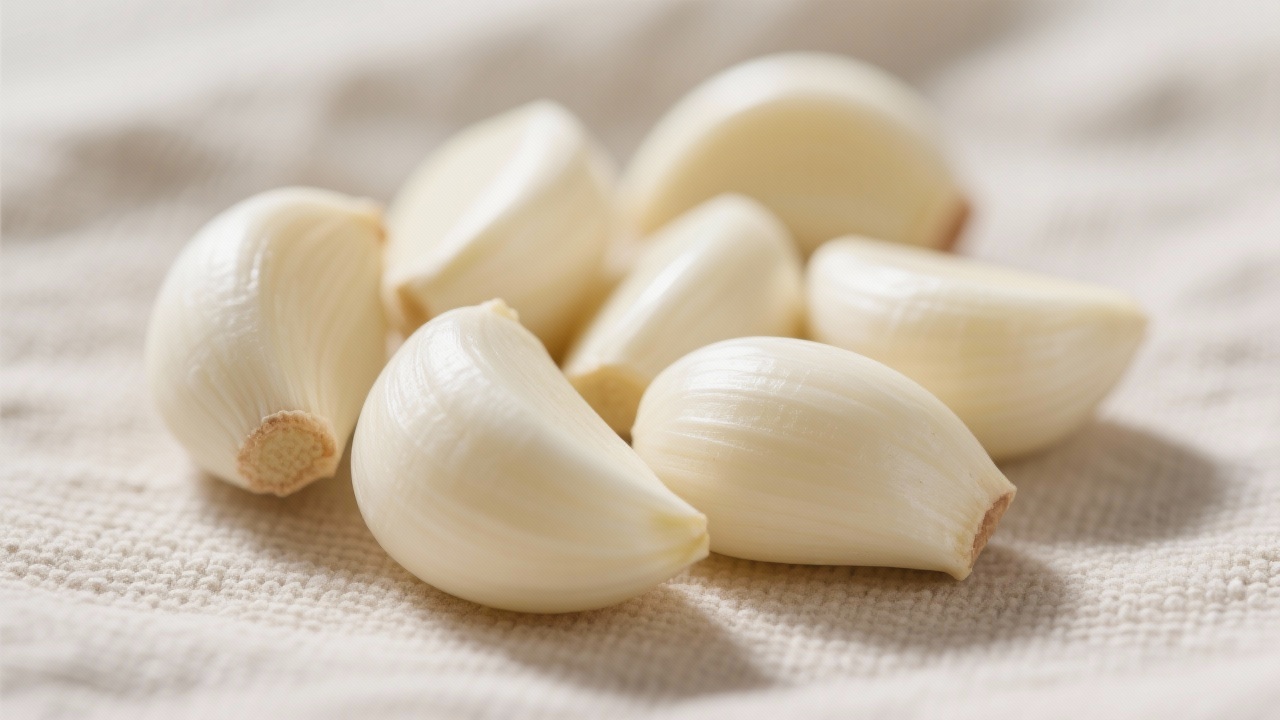
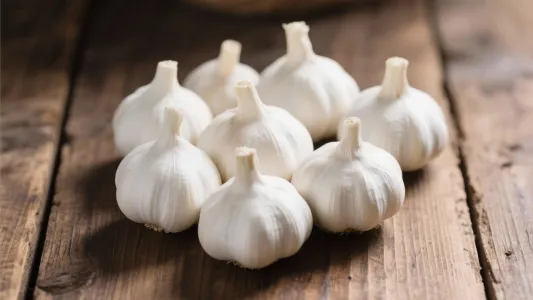
Not all garlic cloves are created equal. For A-grade production, select seed cloves weighing 4-6 grams each with no visible damage or disease. The chosen variety should match your target market's preferences—whether for size, pungency, or storage capability.
Before planting, treat seeds with a 0.3% potassium permanganate solution for 15 minutes, followed by a 24-hour cold stratification at 4-8°C. This process increases germination rate by up to 25% and reduces early disease pressure.
The growing period requires meticulous attention to detail. Key milestones include:
| Growth Stage | Key Management Practices | Optimal Conditions |
|---|---|---|
| Germination (Weeks 1-3) | Maintain soil moisture at 60-70% | Temperature: 15-20°C |
| Leaf Development (Weeks 4-8) | First nitrogen application; weed control | Temperature: 18-25°C |
| Bulb Formation (Weeks 9-12) | Potassium-phosphorus fertilizer; reduce watering | Day temperature: 20-28°C, Night: 15-18°C |
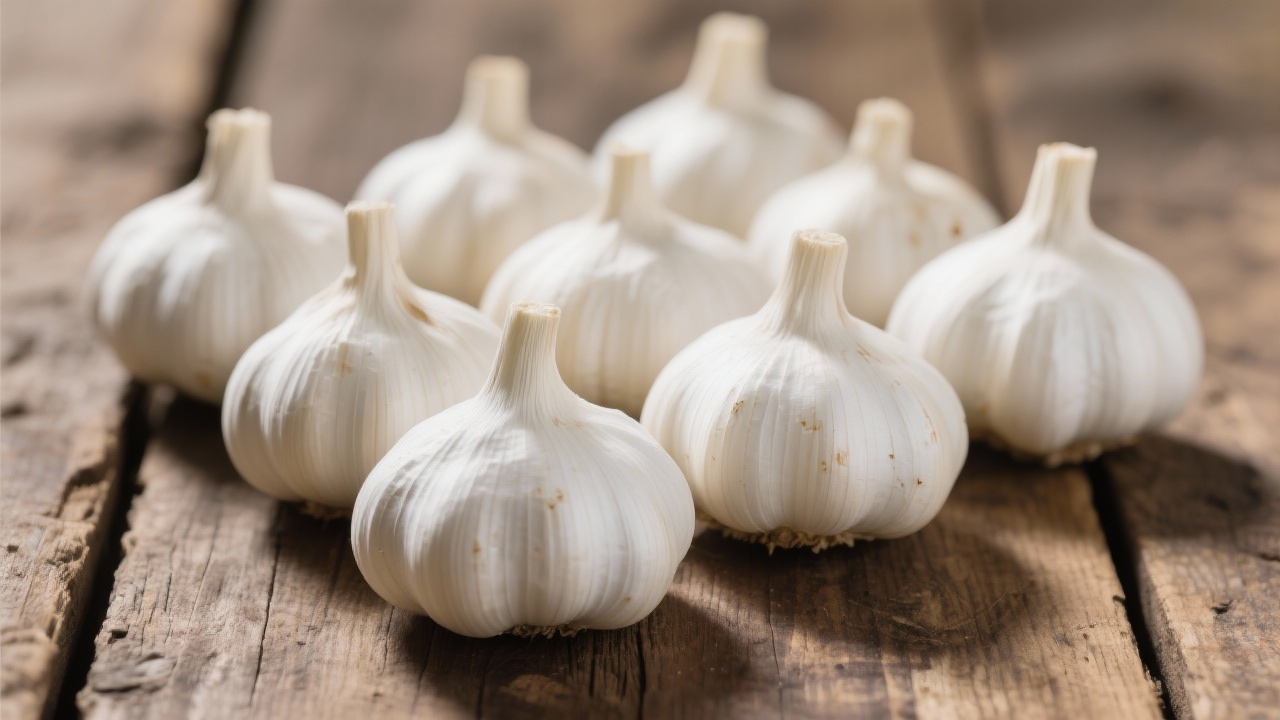
Timing is everything. Harvest when 40-50% of the lower leaves have turned yellow but 3-4 upper leaves remain green. This typically occurs 100-110 days after planting for most varieties.
Harvesting should be done in dry weather using sharp tools to avoid bruising. The bulbs should be lifted carefully and laid in the field for 2-3 days of curing under partial shade—never direct sunlight which can scorch the outer layers.
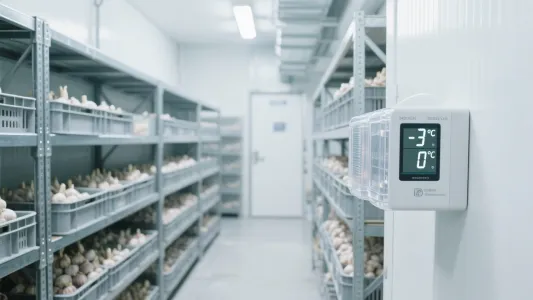
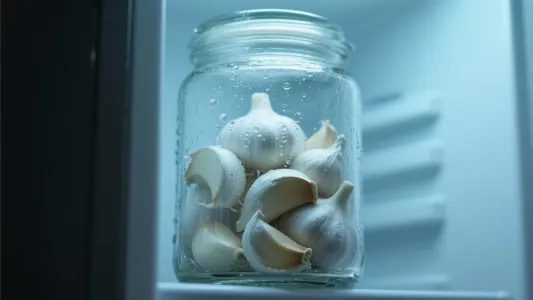
After curing, the clock starts ticking. Within 24 hours, bulbs must be moved to controlled environment storage at 0-2°C with 65-70% relative humidity. This precise condition extends shelf life to 8-10 months while preserving flavor and nutritional content.
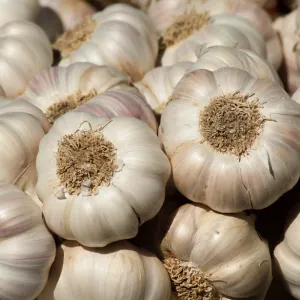
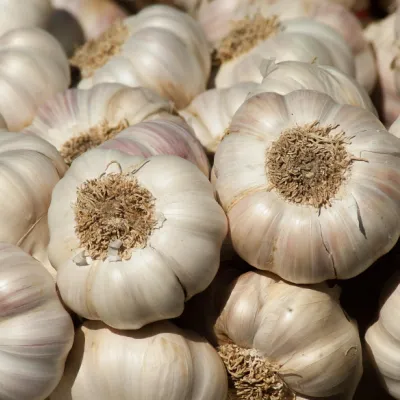
Our proprietary sorting system then grades bulbs based on:
Export packaging must balance protection with breathability. Our double-layer mesh bags allow air circulation while preventing physical damage during transport. Each carton contains exactly 10kg of uniformly sized bulbs, with clear labeling including harvest date, batch number, and traceability information—essential for meeting EU regulations.
Implement these proven techniques and join the elite group of farmers producing consistent A-grade red garlic that meets the strictest international standards.
Access Our Complete Red Garlic Cultivation ManualWhat challenges have you faced in maintaining consistent garlic quality? Share your experiences in the comments below—our agronomists respond to all questions within 48 hours.
 400
|
400
|
 Grade A white garlic grading standards
Garlic quality detection methods
White garlic procurement guide
High - quality garlic identification skills
Agricultural product quality standards
Grade A white garlic grading standards
Garlic quality detection methods
White garlic procurement guide
High - quality garlic identification skills
Agricultural product quality standards
 258
|
garlic cold storage
microbial contamination prevention
food preservation technology
supply chain management
garlic export quality
258
|
garlic cold storage
microbial contamination prevention
food preservation technology
supply chain management
garlic export quality
 309
|
Grade A white garlic
Identification of high - quality garlic
Garlic quality standards
White garlic procurement guide
Garlic supply advantages
309
|
Grade A white garlic
Identification of high - quality garlic
Garlic quality standards
White garlic procurement guide
Garlic supply advantages
 274
|
garlic preservation
cold storage temperature control
food freshness management
humidity regulation
cold chain warehousing
274
|
garlic preservation
cold storage temperature control
food freshness management
humidity regulation
cold chain warehousing
 355
|
white garlic storage techniques
10kg mesh bag packaging
garlic freshness preservation
cold chain logistics for garlic
garlic quality assurance
355
|
white garlic storage techniques
10kg mesh bag packaging
garlic freshness preservation
cold chain logistics for garlic
garlic quality assurance


.png?x-oss-process=image/resize,h_600,m_lfit/format,webp)







.png?x-oss-process=image/resize,h_200,m_lfit/format,webp)





 TikTok
 Facebook