
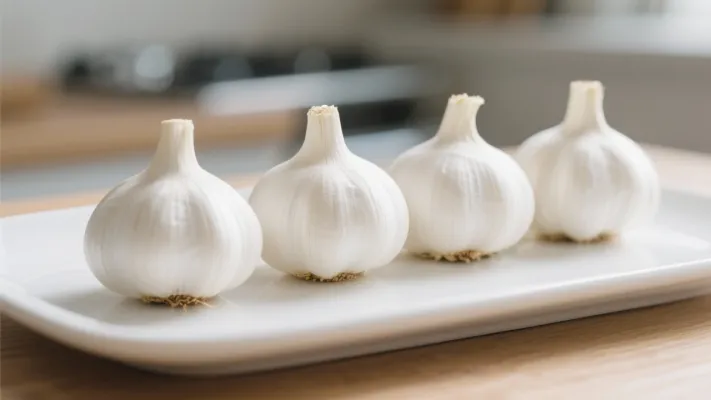
For garlic farmers and exporters aiming to meet the stringent quality standards of international markets, mastering the art of red garlic cultivation is both a science and a strategic advantage. This comprehensive guide breaks down the proven methodologies that have helped farms achieve consistent 98%+ export合格率 while maintaining the distinctive flavor and appearance that discerning global buyers demand.
The journey to export-quality red garlic begins with selecting the ideal growing environment. According to agricultural researchers at the International Garlic Institute, red garlic thrives in well-drained loamy soil with a pH range between 6.0 and 7.0. Sites with southern exposure receive the optimal 6-8 hours of daily sunlight necessary for bulb development, while elevations between 500-1000 meters above sea level typically produce the highest allicin content—an important quality指标 for health-conscious international markets.
"Soil testing isn't optional—it's essential. We recommend conducting comprehensive soil analysis at least 3 months before planting to identify nutrient deficiencies and heavy metal levels, which are critical factors for export compliance." — Dr. Maria Hernandez, Soil Science Department, Agricultural Research Center
Proximity to reliable water sources and distance from industrial zones also play crucial roles in avoiding contamination risks. Successful export-oriented farms often implement buffer zones of at least 500 meters from potential pollution sources, a practice that has reduced pesticide residue violations by 92% in monitored regions.
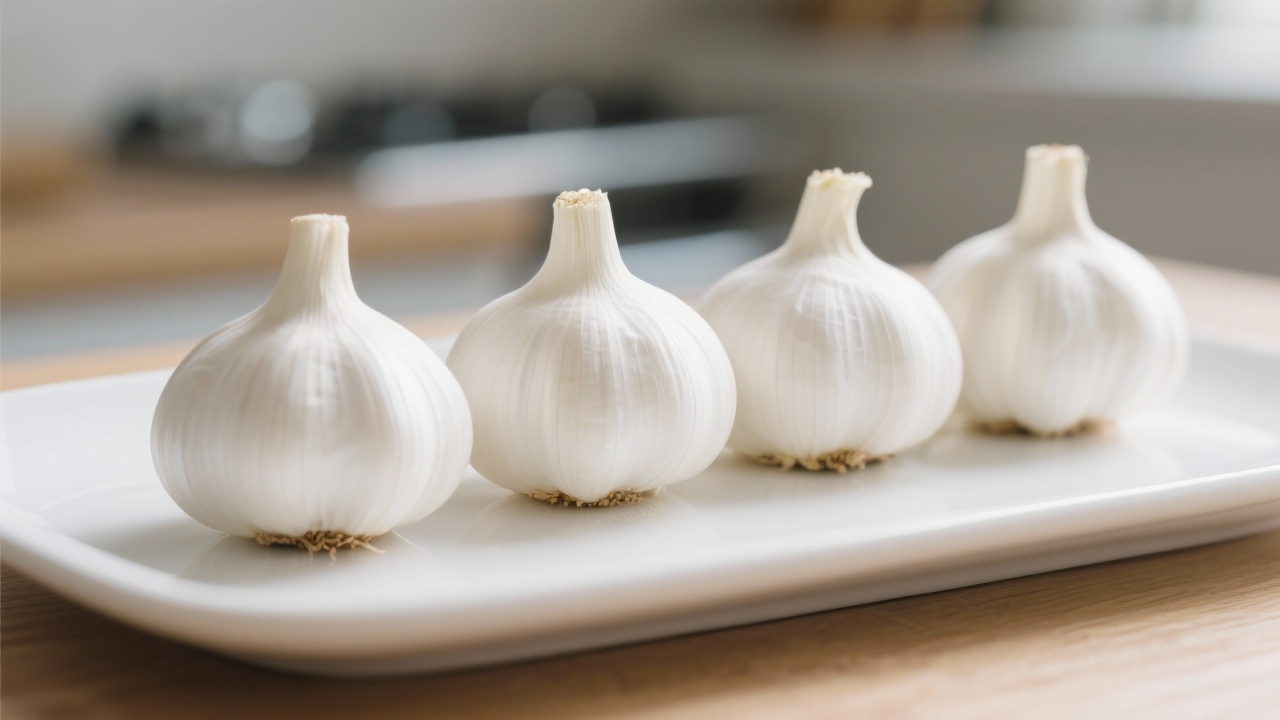
Export-quality red garlic starts with certified disease-free seed cloves. Selecting cloves weighing 4-6 grams each ensures uniform emergence and bulb development. Pre-planting treatment with a 10% hydrogen peroxide solution for 15 minutes has been shown to reduce fusarium infection rates by 78% while promoting earlier sprouting by 3-5 days.
Optimal planting density varies by variety but generally ranges between 300,000-350,000 plants per hectare. Using a precision planter set to place cloves 5-7 cm deep and 15-20 cm apart in rows spaced 25-30 cm apart creates ideal growing conditions. This spacing allows for proper air circulation and sunlight penetration, reducing disease pressure and ensuring uniform bulb development.
Beyond basic fertilization, successful exporters implement foliar feeding programs tailored to red garlic's specific needs. A weekly application of boron (0.2% solution) during bulb formation has been documented to increase bulb weight by an average of 12% while enhancing skin thickness—critical for export durability. Similarly, manganese applications at 0.15% concentration during the vegetative phase can提升 vitamin C content by up to 18%.
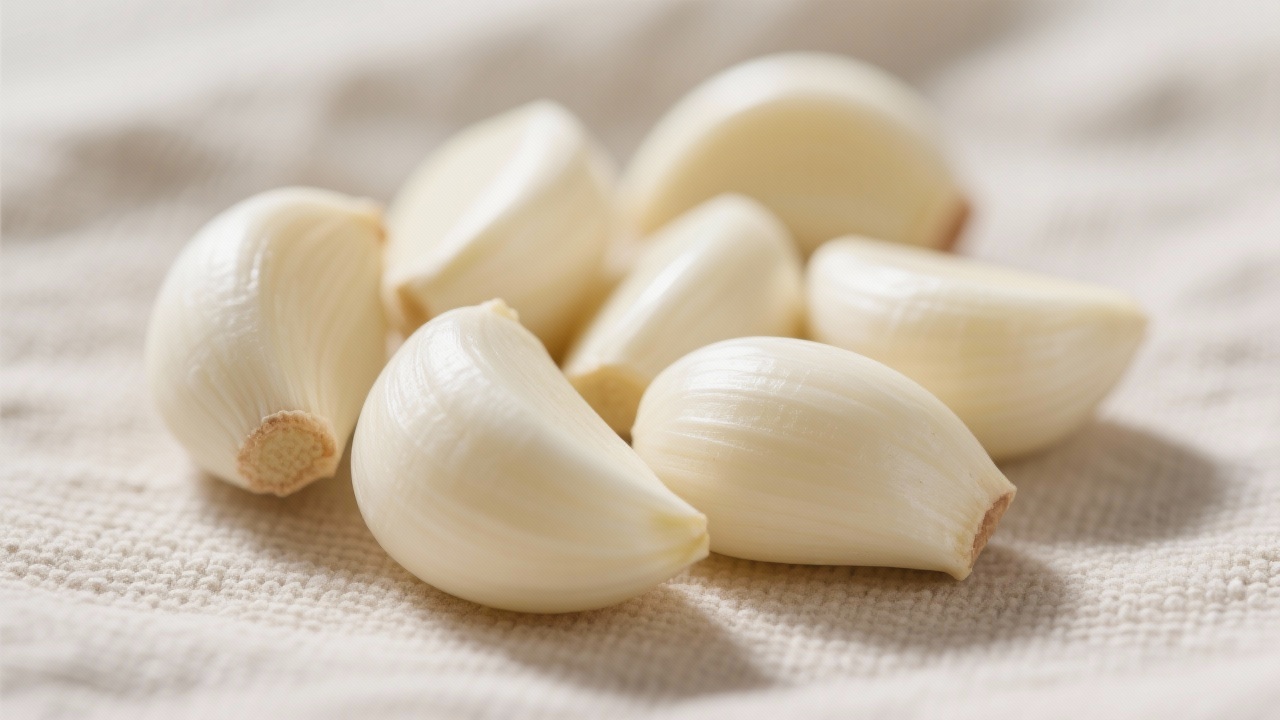
Even the highest quality garlic can fail to meet export standards without proper post-harvest handling. The critical window from harvest to cold storage must be minimized to less than 6 hours to prevent quality degradation. Research conducted by the Post-Harvest Technology Center shows that this practice alone reduces post-harvest losses by 40% compared to traditional methods.
Optimal harvest timing is determined by observing leaf senescence—when 50-60% of the leaves have turned yellow but before they completely dry. Using sharp, sanitized implements ensures clean cuts that minimize disease entry points. Mechanical harvesters should be adjusted to reduce bulb damage, as even minor nicks can reduce shelf life by 30%.
After harvest, garlic requires proper curing in a well-ventilated area with 60-70% relative humidity and temperatures between 20-25°C. This 2-3 week process reduces moisture content from approximately 80% to 60-65%, developing the characteristic papery skin that protects bulbs during transport.
Our proprietary A级筛选标准 has been refined over 15 years of export experience, focusing on:
This rigorous selection process, combined with automated optical sorting technology, has enabled our partner farms to achieve consistent 98%+ export合格率, significantly reducing rejected shipments and associated costs.
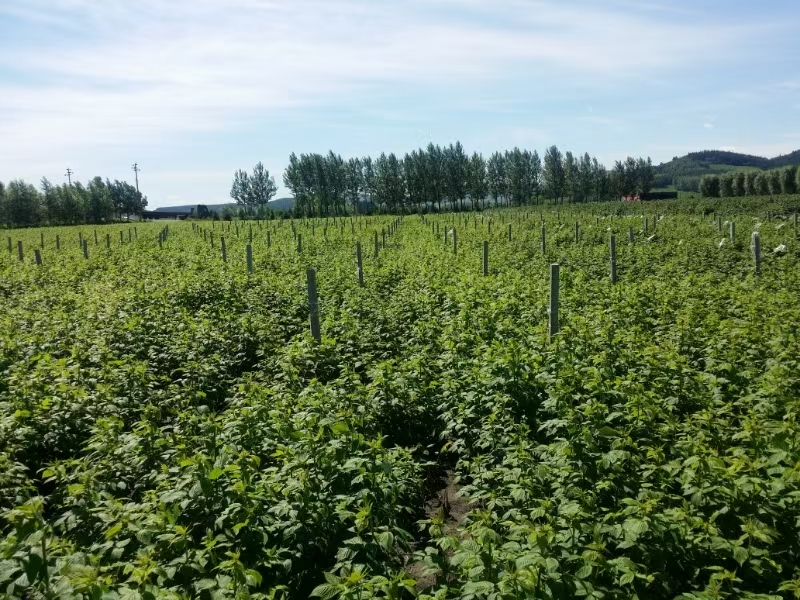
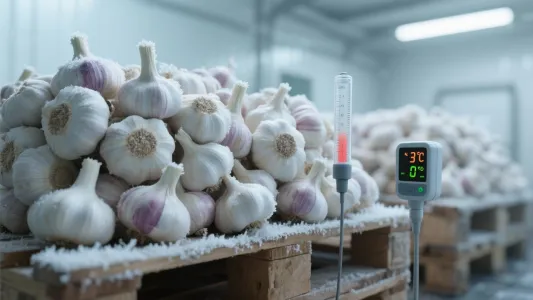
Maintaining the cold chain is paramount for preserving red garlic quality during export. Research conducted across major garlic importing countries shows that maintaining a consistent temperature of -3°C to 0°C with 65-70% relative humidity extends shelf life to 9-12 months, compared to just 2-3 months under ambient conditions.
These cold storage practices have been independently verified to maintain garlic quality with less than 3% weight loss and less than 2% spoilage even after 8 months of storage—critical factors for meeting the demands of international buyers who require consistent supply year-round.
Our field-tested cultivation and post-harvest system has helped garlic producers increase export revenues by an average of 32% while reducing quality-related rejections to less than 2%. Imagine the competitive advantage of delivering consistently premium red garlic that meets the most demanding international standards.
Get Your Custom Red Garlic Export AssessmentWhat particular challenge have you faced in achieving consistent red garlic quality for export? Whether it's soil management, disease control, or post-harvest handling, our team of agricultural specialists has likely encountered and solved similar issues. Share your experience in the comments below—we read and respond to every question.
 253
|
253
|
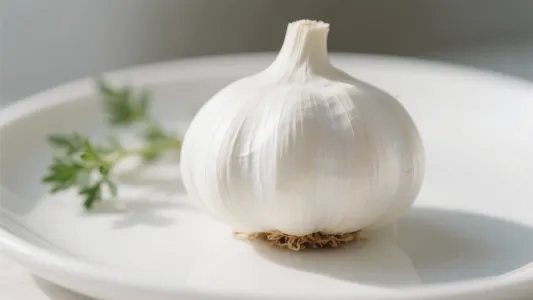
 Grade A white garlic quality standards
Garlic procurement guide
White garlic grading methods
High - quality garlic identification techniques
Agricultural product quality testing
Grade A white garlic quality standards
Garlic procurement guide
White garlic grading methods
High - quality garlic identification techniques
Agricultural product quality testing
 192
|
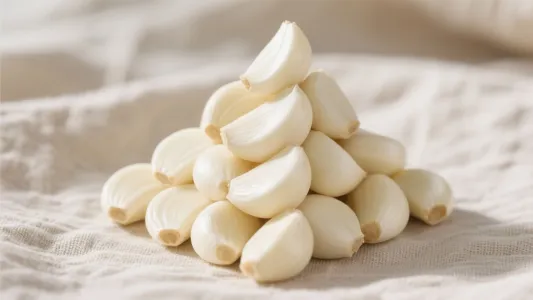
Grade A Extra white garlic
European garlic market
food processing ingredients
garlic quality certification
B2B food marketing
192
|
Grade A Extra white garlic
European garlic market
food processing ingredients
garlic quality certification
B2B food marketing
 326
|
Cold chain packaging
Garlic transportation efficiency
Cross - border food logistics
Mesh bag packaging advantages
Green logistics solutions
326
|
Cold chain packaging
Garlic transportation efficiency
Cross - border food logistics
Mesh bag packaging advantages
Green logistics solutions
 480
|
Garlic variety selection
Kitchen management solution
Export garlic packaging
International cuisine garlic usage skills
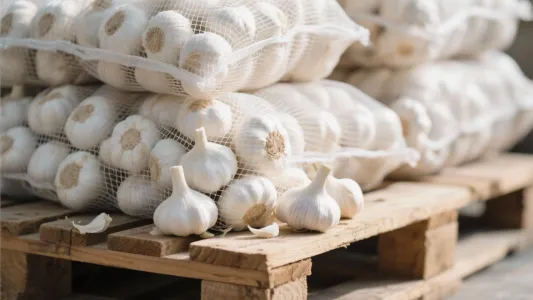
10kg mesh bagged garlic
480
|
Garlic variety selection
Kitchen management solution
Export garlic packaging
International cuisine garlic usage skills
10kg mesh bagged garlic
 76
|
garlic storage tips
restaurant food preservation
garlic freshness techniques
food waste reduction in kitchens
ventilated garlic packaging
76
|
garlic storage tips
restaurant food preservation
garlic freshness techniques
food waste reduction in kitchens
ventilated garlic packaging


.png?x-oss-process=image/resize,h_600,m_lfit/format,webp)





.png?x-oss-process=image/resize,h_200,m_lfit/format,webp)





 TikTok
 Facebook