
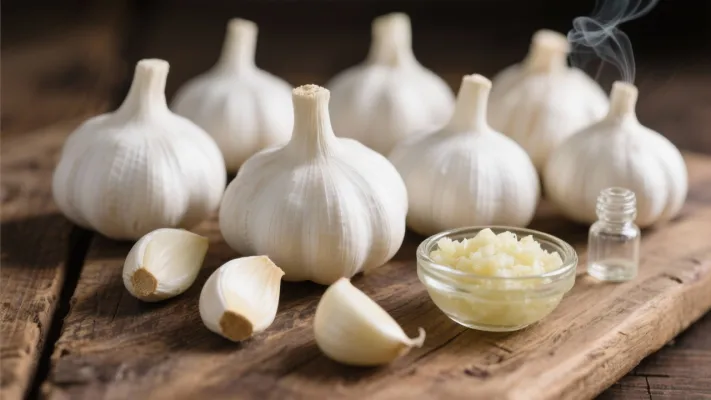
For garlic exporters and large-scale growers aiming to meet the stringent standards of international markets, producing Grade A red garlic consistently is both an art and a science. This comprehensive guide walks you through the technical essentials that separate average garlic from export-quality produce, with actionable insights from successful farming operations across major garlic-producing regions.
The journey to Grade A red garlic begins with site selection and soil preparation. International buyers consistently report that garlic grown in well-drained loamy soil with a pH range of 6.5–7.0 demonstrates superior bulb development and flavor profiles. According to agricultural research from the International Horticultural Society, garlic cultivated outside this pH range shows a 30% higher incidence of misshapen bulbs and reduced storage life.
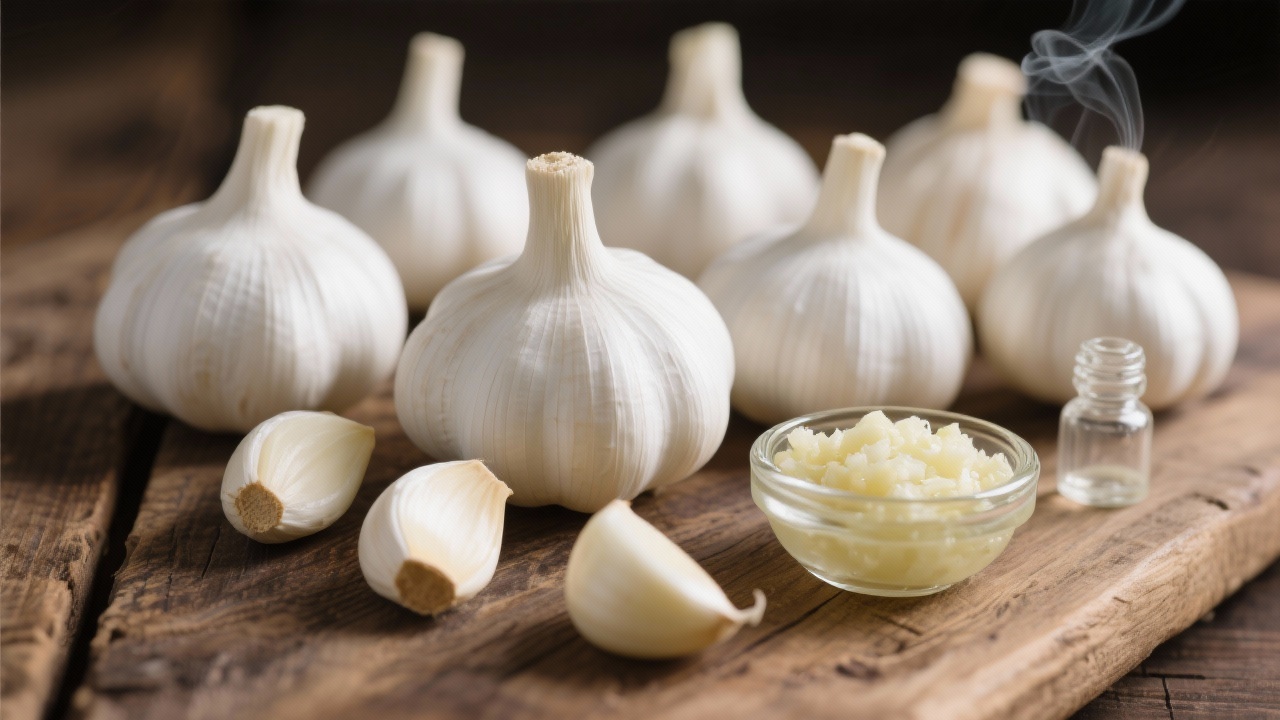
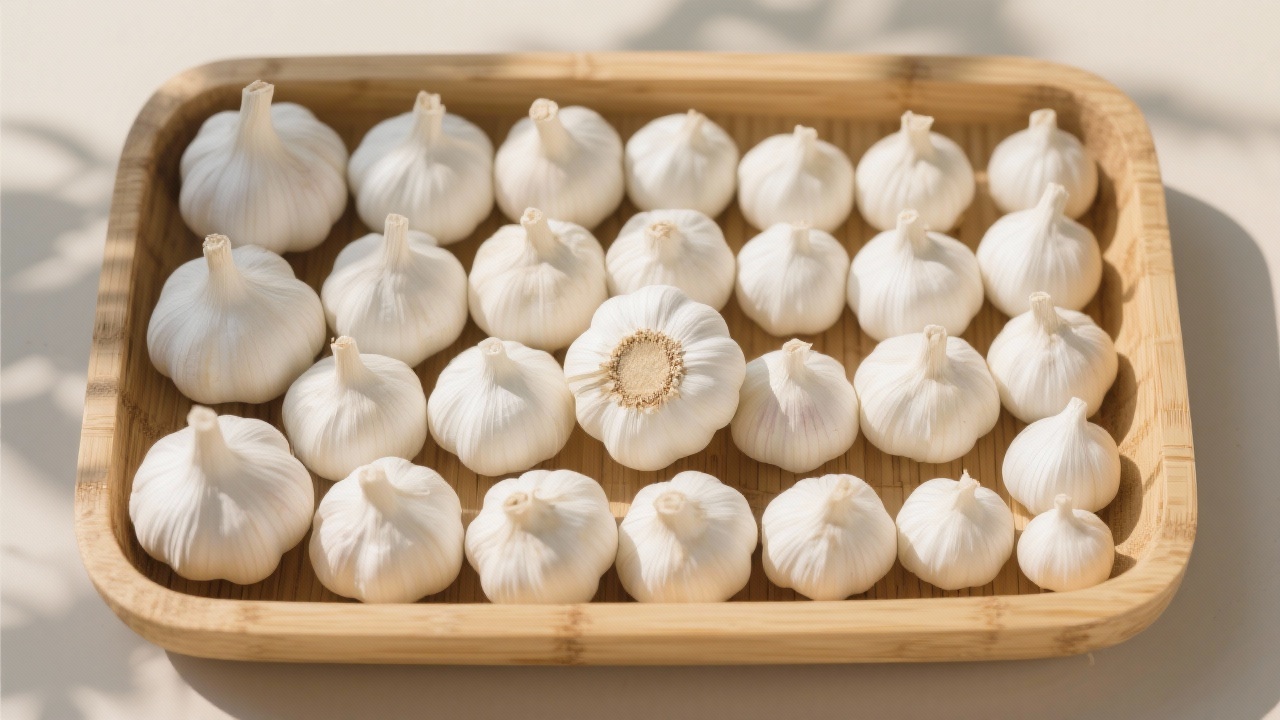
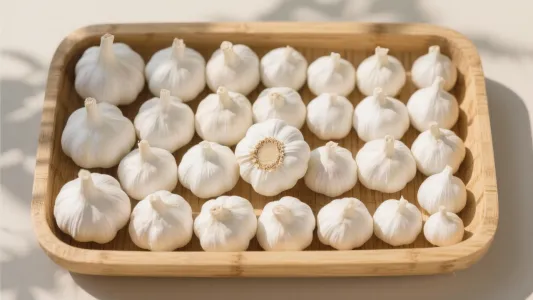
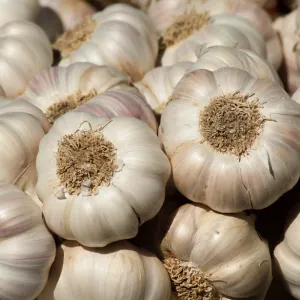
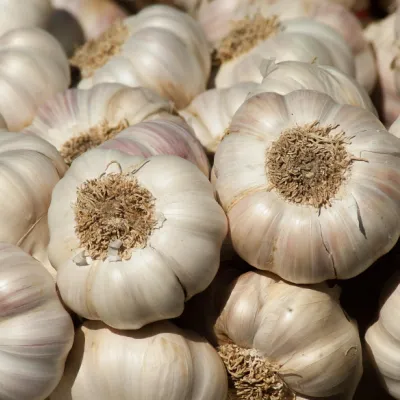
Not all red garlic varieties are created equal when it comes to export potential. The Purple Stripe and Rocambole varieties consistently score highest in international quality assessments, particularly for their uniform bulb size (typically 5–7cm in diameter) and tight skin adherence—key factors in reducing post-harvest losses.
Farm trials conducted in California's Central Valley demonstrated that following this protocol resulted in 92% germination rates and 28% higher yield compared to traditional planting methods.
Precision irrigation is non-negotiable for consistent garlic quality. Drip irrigation systems, when programmed to deliver 25–30mm of water weekly during the vegetative stage, have proven most effective in maintaining optimal soil moisture without promoting bulb rot.
| Growth Stage | Primary Nutrients | Application Method |
|---|---|---|
| 3–4 leaf stage | Nitrogen (120kg/ha) | Foliar spray with 2% urea solution |
| Bulb initiation | Potassium (90kg/ha) + Sulfur (30kg/ha) | Drip irrigation with K2SO4 solution |
| Maturation phase | Phosphorus (60kg/ha) + Boron (2kg/ha) | Soil application with controlled-release fertilizer |
One of the primary reasons garlic shipments get rejected at international ports is the presence of insect damage or disease symptoms. A proactive IPM strategy can reduce pest-related losses by up to 85%:
"We've reduced pesticide use by 60% while actually improving crop quality through pheromone traps and companion planting with marigolds," shares Marco Rossi, quality control manager at a leading Italian garlic exporter. "Buyers in Germany and Scandinavia particularly value our low-chemical approach."
Timing is critical for garlic harvest. Optimal harvesting occurs when 50–60% of the leaves have turned yellow but before the wrapper leaves start to deteriorate. This typically happens 90–110 days after planting, depending on variety and growing conditions.
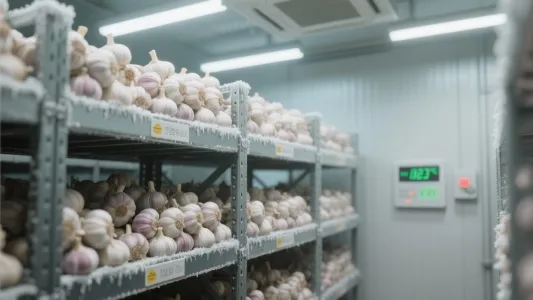
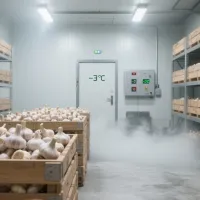
Maintaining garlic quality post-harvest requires precise temperature control. Research from the Postharvest Horticulture Center indicates that storing garlic at -1°C to 0°C with 65–70% relative humidity can extend shelf life to 8–10 months, compared to just 3–4 months at ambient temperatures.
For exporters, establishing a cold chain without temperature fluctuations is critical. "We've invested in real-time temperature monitoring throughout our supply chain," explains Sophia Chen, logistics director at a major Chinese garlic exporter. "This has reduced our post-shipping rejection rate from 8% to less than 1.5% in just two years."
Our team of agricultural specialists has helped over 50 garlic producers across 12 countries achieve consistent Grade A ratings and establish long-term supply relationships with major international buyers.
Get Your Custom Red Garlic Production BlueprintWhat specific challenges have you encountered in producing garlic for export markets? Share your experiences and questions in the comments section below—our agricultural experts respond to all inquiries within 48 hours.

 72
|
72
|
 gingerol for digestion
natural digestive aids
functional foods
ginger health benefits
high-purity ginger
gingerol for digestion
natural digestive aids
functional foods
ginger health benefits
high-purity ginger
 261
|
fresh ginger benefits
gingerol and digestion
functional food ingredients
natural immune booster
export grade ginger
261
|
fresh ginger benefits
gingerol and digestion
functional food ingredients
natural immune booster
export grade ginger
 328
|
fresh garlic quality assessment
garlic storage methods
refrigerated garlic preservation
best practices for garlic storage
export garlic standards
328
|
fresh garlic quality assessment
garlic storage methods
refrigerated garlic preservation
best practices for garlic storage
export garlic standards
 146
|
Grade A white garlic standards
Garlic sourcing guide
European garlic market
High - quality garlic inspection techniques
Garlic quality assessment
146
|
Grade A white garlic standards
Garlic sourcing guide
European garlic market
High - quality garlic inspection techniques
Garlic quality assessment
 386
|
garlic cold storage
garlic shelf life extension
food supply chain management
nutrient retention in garlic
cold chain logistics
386
|
garlic cold storage
garlic shelf life extension
food supply chain management
nutrient retention in garlic
cold chain logistics


.png?x-oss-process=image/resize,h_600,m_lfit/format,webp)






.png?x-oss-process=image/resize,h_200,m_lfit/format,webp)





 TikTok
 Facebook