
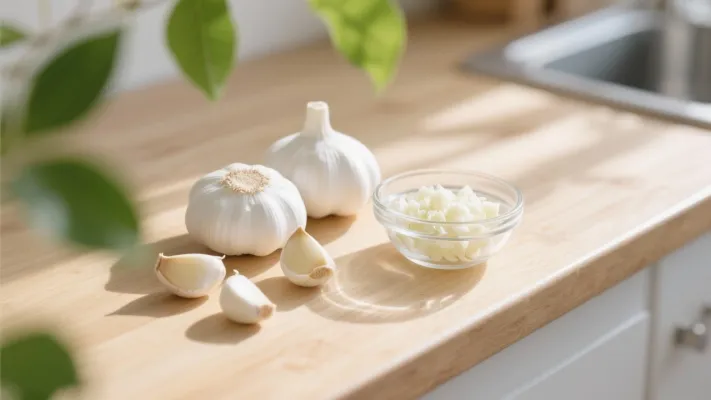
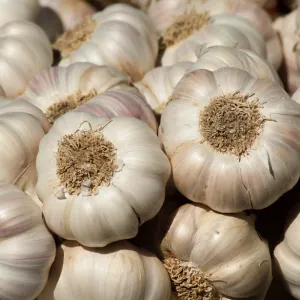
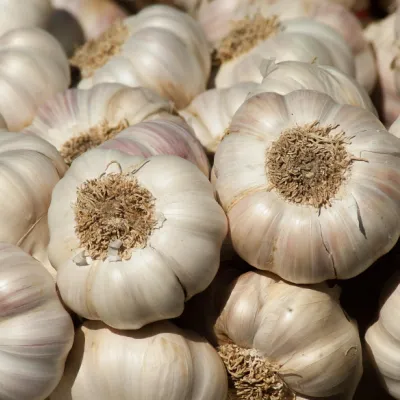
Red garlic, a staple in global cuisines and valued for its medicinal properties, faces significant quality challenges during post-harvest storage. According to agricultural research from the China Agricultural University, improper storage conditions can result in up to 30% product loss within three months, primarily due to sprouting, water loss, and decay. Understanding the scientific principles behind cold storage technology is essential for farmers, wholesalers, and food processors looking to maintain product quality and maximize market value.
"Maintaining optimal storage conditions can extend red garlic's shelf life from 2-3 months to 8-10 months while preserving 90% of its nutritional value and commercial appearance." — International Postharvest Research Institute, 2023
Red garlic undergoes specific physiological changes after harvest that directly impact its storage potential. The bulbs remain metabolically active, continuing to respire and consume stored carbohydrates. This process accelerates at higher temperatures, leading to premature sprouting and quality degradation. Research shows that garlic bulbs stored at 15°C (59°F) can begin sprouting within 45 days, while those kept at 0-4°C (32-39°F) may remain dormant for 6-8 months.
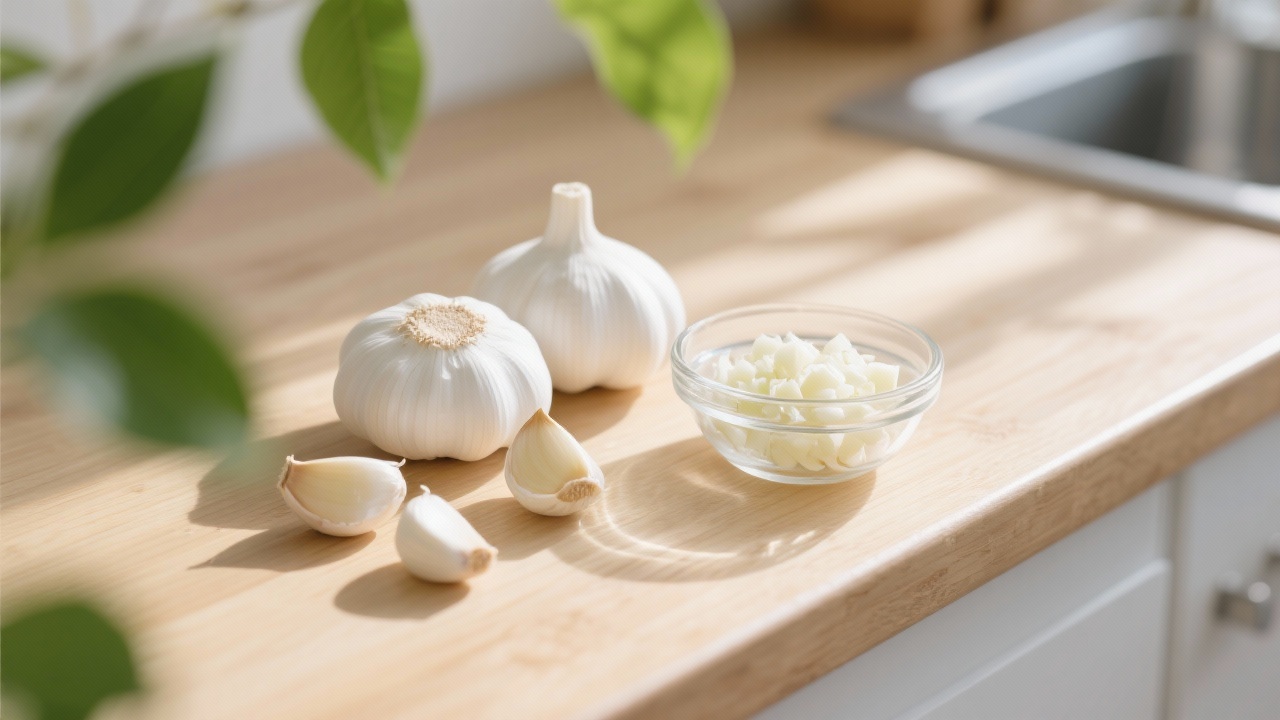
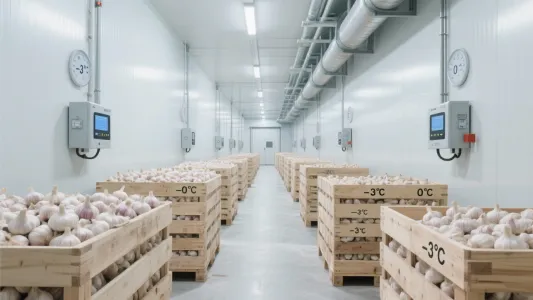
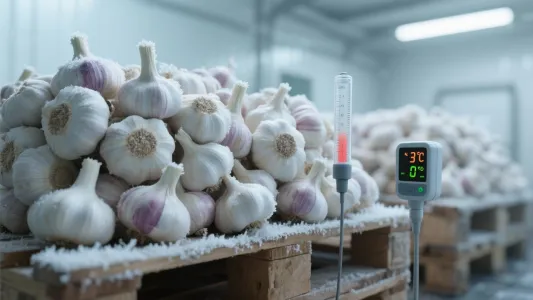
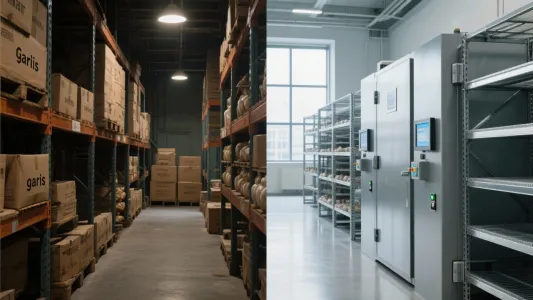
Temperature management represents the most critical factor in red garlic storage. The ideal temperature range for long-term storage is 0-2°C (32-35.6°F), with minimal fluctuation. Studies conducted by the Food and Agriculture Organization (FAO) demonstrate that temperature variations greater than ±1°C can increase respiration rates by 15-20%, significantly reducing storage life.
| Temperature Range | Expected Storage Life | Quality Issues |
|---|---|---|
| Above 10°C (50°F) | 2-4 weeks | Rapid sprouting, softening, decay |
| 5-10°C (41-50°F) | 2-3 months | Moderate sprouting, some weight loss |
| 0-2°C (32-35.6°F) | 6-8 months | Minimal quality degradation |
| Below 0°C (32°F) | 3-4 months | Freeze damage, texture changes |
Relative humidity (RH) plays a balancing act in red garlic storage. Too low humidity causes excessive water loss and shrinkage, while high humidity creates conditions for mold growth and decay. The optimal RH range is 65-70%, which maintains bulb turgor while preventing condensation.
A case study from Shandong province, China's leading garlic producing region, demonstrated that maintaining precise humidity control reduced weight loss from 12% to 3.5% over 6 months of storage. This translated to a 9% increase in market value due to better bulb appearance and texture.
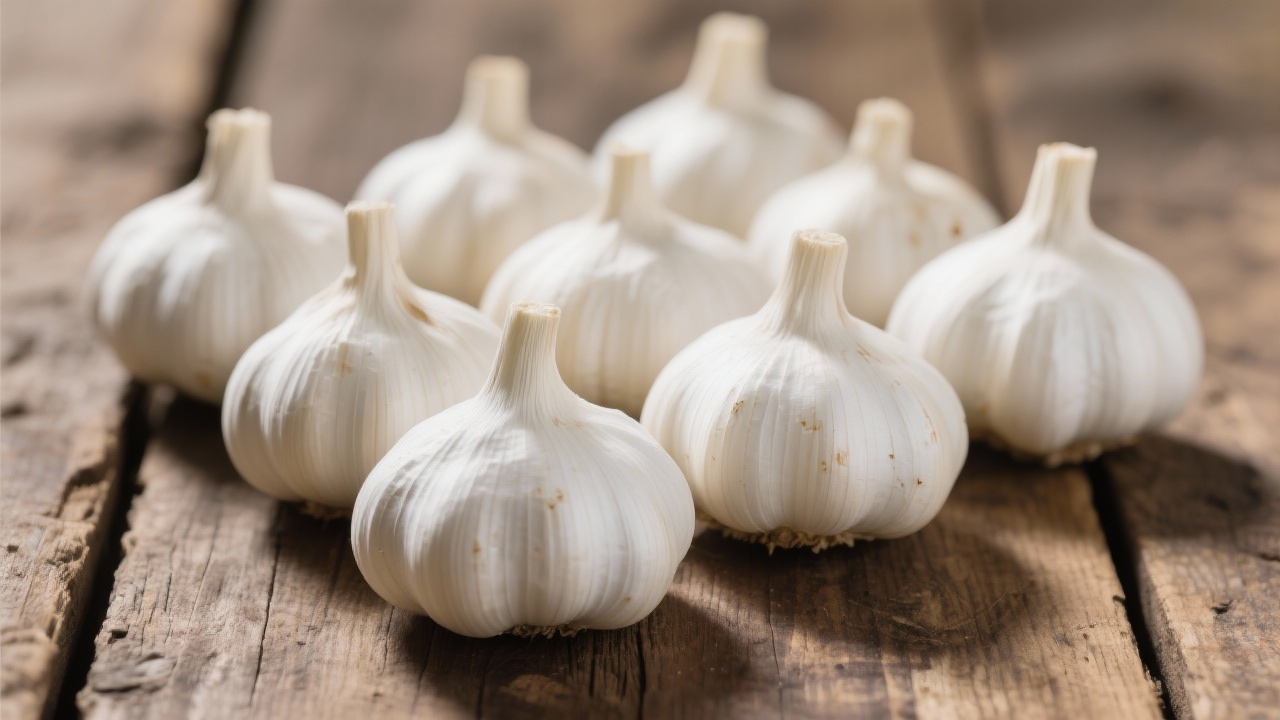
Pre-cooling is often an overlooked but essential step before cold storage. This process rapidly reduces the bulb temperature from field heat (typically 25-30°C) to storage temperature within 24-48 hours. Delayed pre-cooling by just 24 hours can reduce storage life by up to 20%.
Maintaining consistent conditions throughout the supply chain is crucial for preserving garlic quality. This requires coordination between producers, storage facilities, transporters, and retailers. 亿商桥 (Yishangqiao) specializes in developing integrated cold chain solutions that ensure temperature stability from farm to market, utilizing advanced monitoring systems that alert operators to temperature fluctuations within minutes.
Gas composition control represents another advanced technique for extending storage life. By reducing oxygen levels to 3-5% and increasing carbon dioxide to 5-7%, respiration rates can be further reduced, extending storage potential by an additional 2-3 months. However, this requires specialized controlled atmosphere storage facilities and careful monitoring to prevent anaerobic conditions.
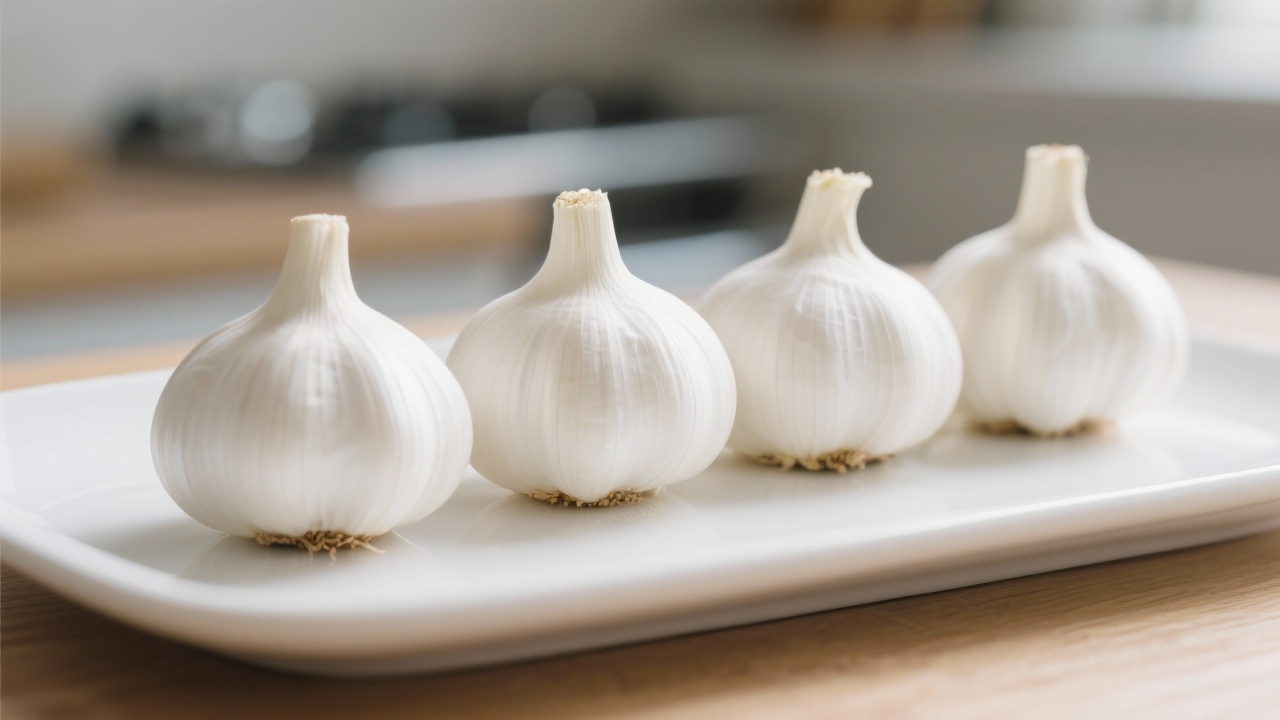
Even with proper temperature and humidity control, storage issues can arise. Here are evidence-based solutions to common problems:
Access our comprehensive Red Garlic Cold Storage Operations Manual featuring step-by-step protocols, equipment specifications, and troubleshooting guides developed by agricultural experts.
Download Your Free Manual NowWhat challenges have you encountered in red garlic storage? Have you implemented any innovative solutions that improved your results? Share your experiences and questions in the comments section below – our team of agricultural specialists will respond to your inquiries.
 193
|
193
|
 Chinese premium garlic
fresh garlic nutrition
garlic market application
garlic health benefits
global garlic trends
Chinese premium garlic
fresh garlic nutrition
garlic market application
garlic health benefits
global garlic trends
 300
|
fresh bulk garlic preservation
garlic storage techniques
extend garlic shelf life
garlic mold prevention
garlic export storage guide
300
|
fresh bulk garlic preservation
garlic storage techniques
extend garlic shelf life
garlic mold prevention
garlic export storage guide
 209
|
red garlic buying guide
red garlic storage tips
red garlic quality identification
healthy food ingredients
garlic market trends
209
|
red garlic buying guide
red garlic storage tips
red garlic quality identification
healthy food ingredients
garlic market trends
 496
|
fresh garlic storage
garlic refrigeration temperature
agricultural cold chain management
garlic preservation methods
cold storage for garlic
496
|
fresh garlic storage
garlic refrigeration temperature
agricultural cold chain management
garlic preservation methods
cold storage for garlic
 301
|
garlic export standards
HACCP certification for garlic
GMP compliance for garlic processing
garlic cold chain logistics
China garlic export inspection
301
|
garlic export standards
HACCP certification for garlic
GMP compliance for garlic processing
garlic cold chain logistics
China garlic export inspection


.png?x-oss-process=image/resize,h_600,m_lfit/format,webp)







.png?x-oss-process=image/resize,h_200,m_lfit/format,webp)





 TikTok
 Facebook