
For garlic exporters and processors, maintaining premium quality from farm to foreign markets is the ultimate challenge. Red garlic, with its distinct flavor and health benefits, commands higher prices in international markets—but only if it arrives in optimal condition. This comprehensive guide explores the science and practical applications of cold storage technology that can help you preserve red garlic quality, reduce losses, and maximize export value.
After harvest, red garlic continues to undergo physiological changes that directly impact its storage life and quality. The respiration process, if not properly managed, can lead to weight loss, sprouting, and decay. Research from the International Fresh Produce Association shows that unprocessed red garlic typically has a storage life of only 4-6 weeks under ambient conditions, but this can be extended to 6-9 months with proper cold storage techniques.
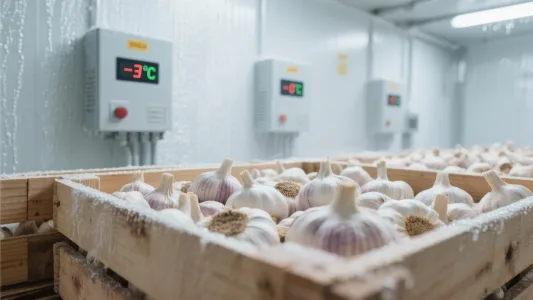
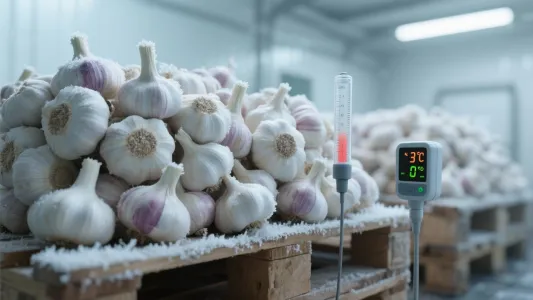
Temperature is the most critical factor in red garlic storage. Studies at China Agricultural University have demonstrated that the optimal storage temperature for red garlic is between 0°C and 4°C (32°F and 39.2°F). This temperature range effectively slows respiration rates while inhibiting sprouting and microbial growth.
Freezing should be strictly avoided, as temperatures below -1°C (30.2°F) cause cellular damage and irreversible quality loss. Even brief temperature fluctuations can trigger sprouting—research shows that temperature variations of just ±2°C can increase sprouting rates by up to 35% within 3 months of storage.
Maintaining proper relative humidity (RH) is equally important for red garlic storage. The ideal RH level is 65-75%, creating an environment that minimizes water loss without encouraging mold growth. When humidity drops below 60%, garlic loses moisture rapidly, resulting in shriveled cloves and reduced market value. Conversely, humidity above 80% creates conditions ideal for botrytis and other storage pathogens.
Export data indicates that garlic with more than 8% weight loss during storage typically receives 15-20% lower prices in European markets. Proper humidity control can limit weight loss to 3-5% even after 6 months of storage, significantly preserving product value.
Controlled Atmosphere (CA) storage technology offers additional benefits for premium red garlic exports. By modifying the storage atmosphere to contain 3-5% oxygen and 5-7% carbon dioxide, respiration rates can be further reduced, extending storage life by an additional 2-3 months. While CA technology requires higher initial investment, it can deliver significant returns for high-value export markets.
Pre-cooling is a vital first step in the cold chain that should begin within 6-12 hours of harvest. This process rapidly removes field heat, slowing metabolic activity and extending storage potential. Without proper pre-cooling, even the best storage conditions will fail to preserve garlic quality.
Forced air pre-cooling is the most efficient method for red garlic, capable of reducing product temperature from 25-30°C to 4-5°C within 24-36 hours. The process involves:
A study by the Food and Agriculture Organization (FAO) found that proper pre-cooling can reduce subsequent storage losses by up to 40% compared to garlic that is stored without pre-cooling.
Maintaining consistent temperature throughout the cold chain is essential for preserving red garlic quality. Each link in the chain—from initial storage to transportation to final delivery—represents a potential point of failure that can compromise the entire batch.
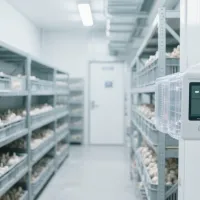
Effective cold storage facilities for red garlic should include:
How garlic is stacked in storage directly impacts air circulation and temperature uniformity. Recommended practices include:
Use ventilated pallets and leave 10-15cm space between pallet stacks to allow air flow
Stack no more than 6-8 layers high to prevent pressure damage to lower bulbs
Implement FIFO (First In, First Out) to ensure proper stock rotation
A major garlic exporter in Shandong province implemented temperature stabilization protocols and reduced sprouting rates from 28% to just 4% in their export shipments to the Middle East. By maintaining a consistent 2°C storage temperature and implementing a 48-hour pre-shipment temperature acclimation process, they increased product acceptance rates by 32% and reduced customer complaints by 75%.
Sprouting is the most common quality issue in stored red garlic, often triggered by temperature fluctuations and extended storage time. Beyond maintaining proper temperature, solutions include:
Storage rot can cause losses of 10-30% in improperly managed garlic storage. Prevention strategies include:
Access our comprehensive Red Garlic Cold Storage Operations Manual developed by agricultural experts at 亿商桥 (Yishangqiao). This practical guide includes step-by-step procedures, troubleshooting checklists, and equipment selection recommendations to help you achieve consistent, export-quality results.
Download Your Free Manual NowEvery step in the cold storage process—from pre-cooling to shipping—affects the final quality and market value of your red garlic. By implementing the scientific techniques and practical recommendations outlined in this guide, you can significantly reduce post-harvest losses, extend storage life, and ensure your product arrives at international markets in premium condition. The difference between average and exceptional garlic quality often comes down to attention to detail in these critical storage processes.
What storage challenges have you encountered with red garlic? Share your experiences and questions below—our team of agricultural specialists at 亿商桥 is here to help you optimize your cold storage operations for maximum export success.
 67
|
67
|
 Chinese White Garlic
Garlic Export
Garlic Cold Storage
Grade A Garlic Standards
Garlic Supply Chain
Chinese White Garlic
Garlic Export
Garlic Cold Storage
Grade A Garlic Standards
Garlic Supply Chain
 314
|
Shandong Jinxiang garlic
garlic growing environment
Jinxiang climate advantage
garlic soil conditions
garlic quality assurance
314
|
Shandong Jinxiang garlic
garlic growing environment
Jinxiang climate advantage
garlic soil conditions
garlic quality assurance
 319
|
Chinese white garlic
garlic nutritional value
allicin benefits
health food buyers
functional superfood
62
|
fresh bulk garlic preservation
garlic storage temperature humidity
garlic ventilation techniques
garlic mold pest prevention
extend garlic shelf life
319
|
Chinese white garlic
garlic nutritional value
allicin benefits
health food buyers
functional superfood
62
|
fresh bulk garlic preservation
garlic storage temperature humidity
garlic ventilation techniques
garlic mold pest prevention
extend garlic shelf life
 258
|
fresh garlic cold storage
garlic storage temperature control
agricultural cold chain management
garlic preservation technology
cold storage humidity management
258
|
fresh garlic cold storage
garlic storage temperature control
agricultural cold chain management
garlic preservation technology
cold storage humidity management




.png?x-oss-process=image/resize,h_600,m_lfit/format,webp)




.png?x-oss-process=image/resize,h_200,m_lfit/format,webp)





 TikTok
 Facebook