
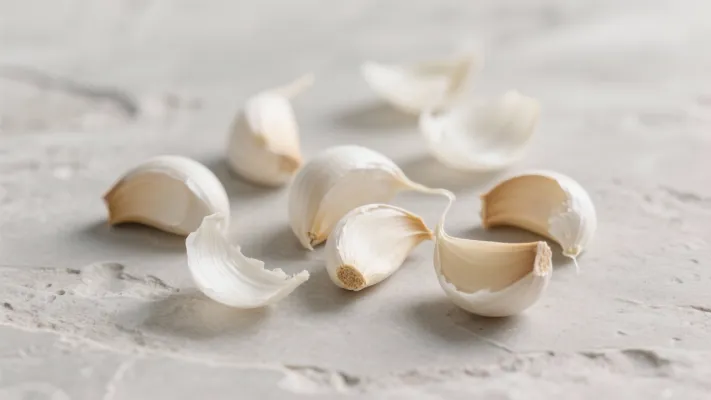
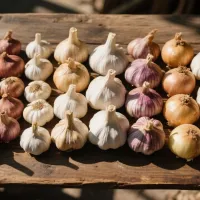
Red garlic has steadily gained prominence in international markets due to its unique flavor profile, health benefits, and extended shelf life compared to regular white garlic. However, buyers and exporters frequently face challenges in identifying truly high-quality red garlic amidst varying grades and supply inconsistencies. This guide dives into the critical evaluation criteria — color, size, cleanliness, and freshness — that determine premium red garlic quality. It also sheds light on global market trends, packaging standards, and storage best practices to empower both consumers and distributors to make informed decisions that uphold product excellence throughout the supply chain.
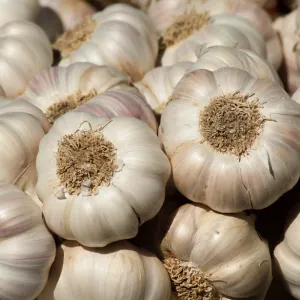
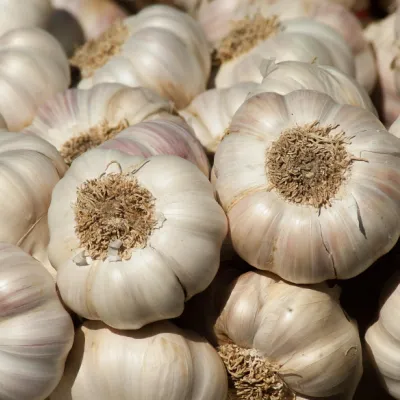
Selecting superior red garlic requires scrutinizing specific physical and sensory attributes. Each parameter plays a vital role in projecting the garlic’s maturity, flavor richness, and shelf stability.
Despite the guidelines, buyers often struggle with inconsistency across shipments and limited access to lab verification. Practical tips to address these pain points include:
Data from industry reports indicate that global demand for red garlic has grown by approximately 7.5% annually over the past five years, fueled primarily by health-conscious consumers in North America and Europe. Consumers increasingly value traceability, organic certification, and sustainable cultivation practices. Asian markets demonstrate preference for smaller, more pungent bulbs, whereas Western buyers favor larger, milder varieties. Understanding such nuances aids suppliers in tailoring export batches for different regions.
| Region | Preferred Bulb Size | Flavor Profile | Annual Market Growth |
|---|---|---|---|
| North America | Large | Mild & Aromatic | 8% |
| Europe | Medium to Large | Balanced Sweetness | 7% |
| Asia | Small to Medium | Pungent & Spicy | 6% |
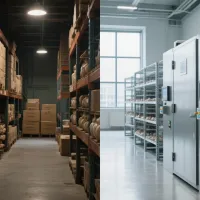
Beyond selection, maintaining red garlic quality during transport and shelf life requires attention to packaging and storage protocols. Packaging solutions should ensure breathability to prevent moisture accumulation, typically achieved through mesh bags or ventilated cartons that also defend against mechanical damage.
For exporters, adherence to international packaging standards — including:
— not only facilitates customs clearance but also enhances buyer confidence.
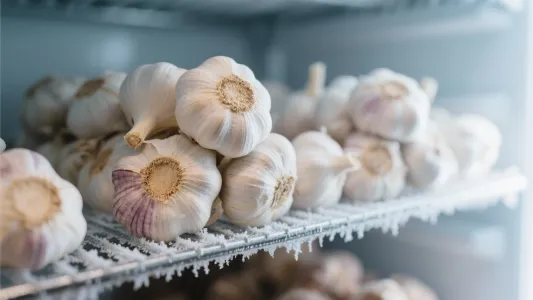
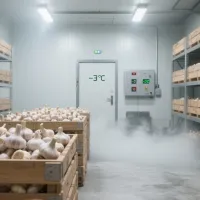
On the storage front, the optimal environment for red garlic is cool (0-4°C), dry (humidity around 60-70%), and ventilated to avert mold growth and sprouting. End consumers and retailers should also be guided on ideal conditions to preserve garlic’s potency and texture.
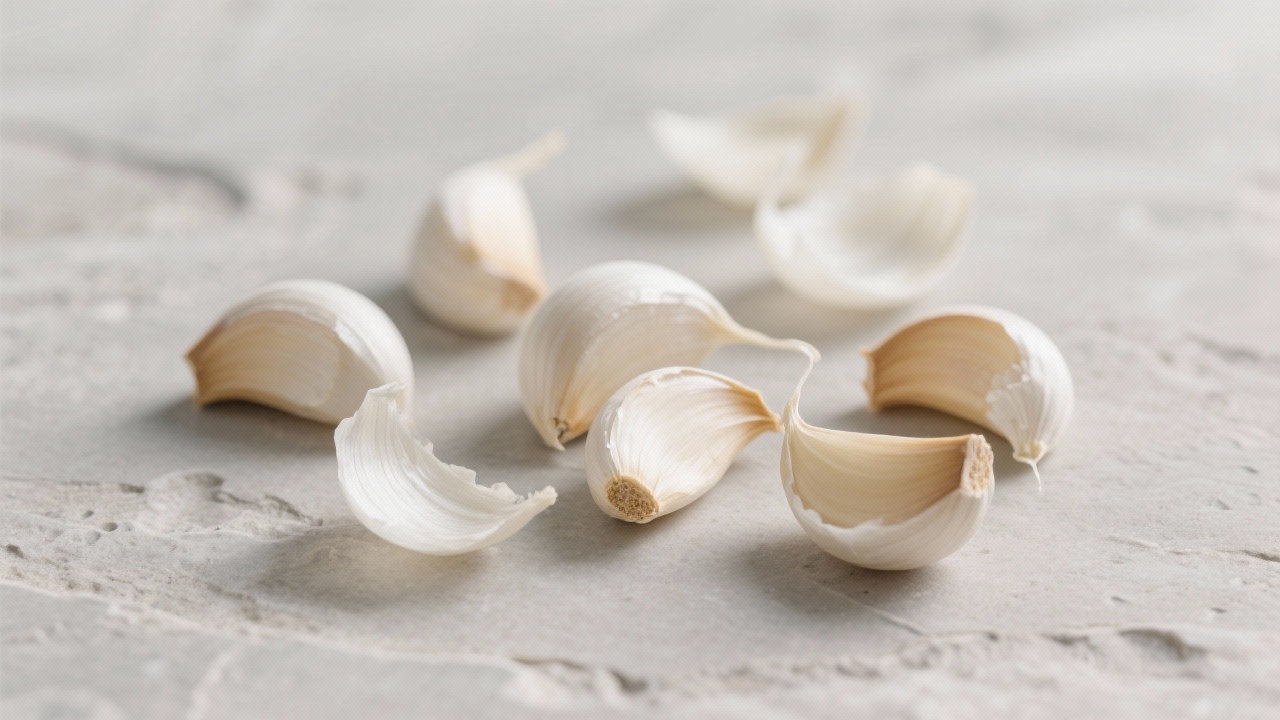
Some actionable suggestions to streamline your red garlic procurement:
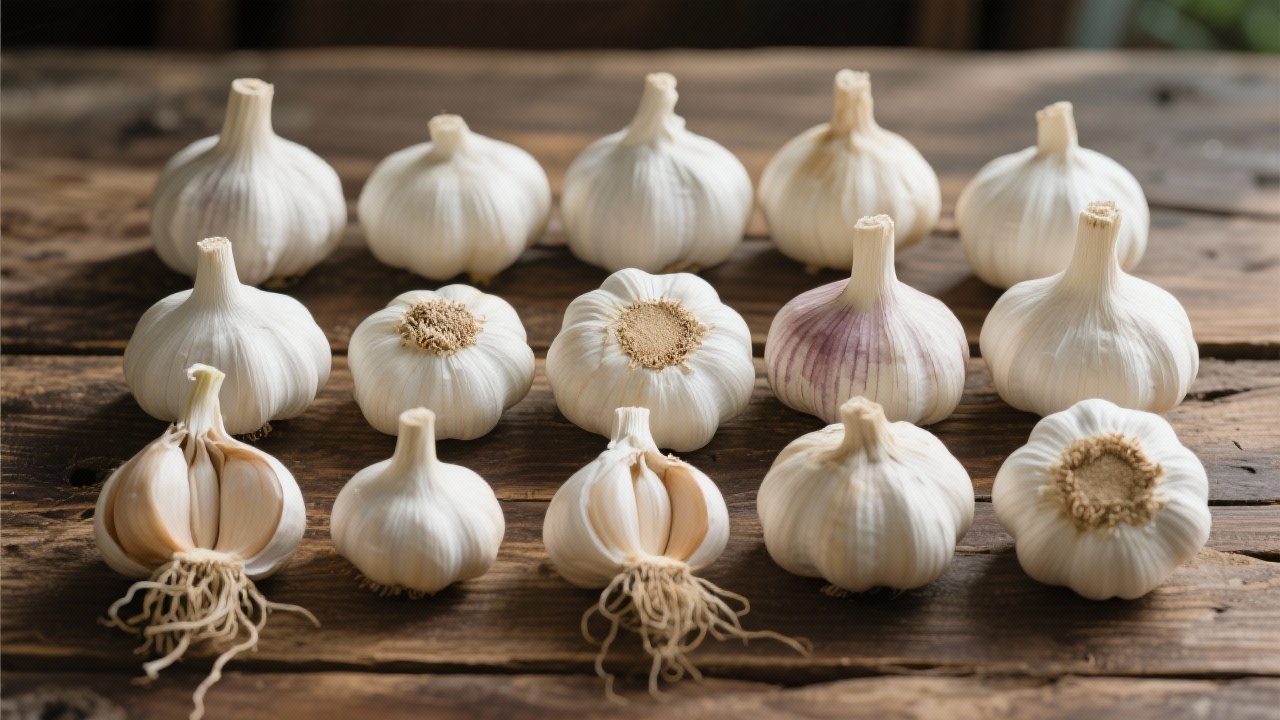
With evolving consumer preferences and stringent export regulations, integrating scientific assessment with practical buying strategies offers a competitive edge. Suppliers investing in traceability, sustainable cultivation, and advanced packaging are better positioned to command premium prices and build long-term partnerships.
Buyers should leverage market intelligence and engage suppliers who demonstrate commitment to quality control standards like ISO 9001 and GlobalGAP certifications.

 368
|
368
|
 garlic packaging solutions
mesh bag for agricultural products
cold chain packaging for garlic
garlic export quality control
agricultural supply chain optimization
garlic packaging solutions
mesh bag for agricultural products
cold chain packaging for garlic
garlic export quality control
agricultural supply chain optimization
 373
|
garlic nutrient retention
cold chain logistics for garlic
quality garlic storage
year-round garlic supply
European garlic import standards
373
|
garlic nutrient retention
cold chain logistics for garlic
quality garlic storage
year-round garlic supply
European garlic import standards
 257
|
year-round garlic supply
premium garlic cultivation techniques
cold chain logistics for garlic
European garlic import standards
garlic post-harvest handling
257
|
year-round garlic supply
premium garlic cultivation techniques
cold chain logistics for garlic
European garlic import standards
garlic post-harvest handling
 224
|
["pesticide-free ginger"
"fresh ginger health benefits"
"gingerol and shogaol"
"high-quality ginger supply"
"customized ginger solutions"]
224
|
["pesticide-free ginger"
"fresh ginger health benefits"
"gingerol and shogaol"
"high-quality ginger supply"
"customized ginger solutions"]
 284
|
Garlic sensory detection
Catering food quality inspection
Exported garlic quality
Kitchen screening checklist
Agricultural product procurement skills
284
|
Garlic sensory detection
Catering food quality inspection
Exported garlic quality
Kitchen screening checklist
Agricultural product procurement skills


.png?x-oss-process=image/resize,h_600,m_lfit/format,webp)





.png?x-oss-process=image/resize,h_200,m_lfit/format,webp)





 TikTok
 Facebook