
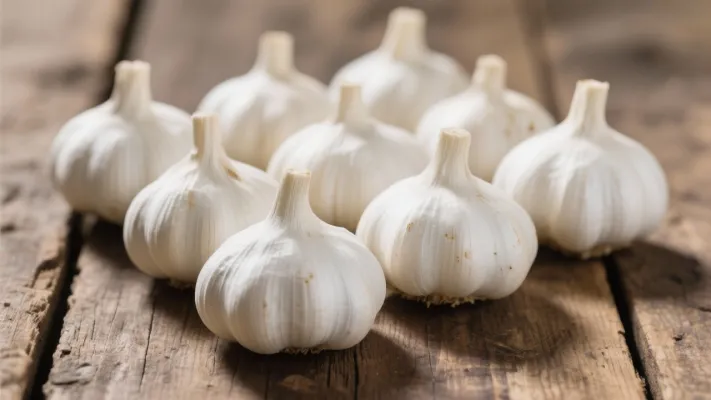
Industry Insight: Global demand for red garlic has surged by 12% annually over the past five years, driven by increasing consumer awareness of its health benefits and culinary versatility. Major importing markets include the United States (32% market share), European Union (28%), and Southeast Asia (22%), with premium prices commanded by bulbs meeting strict quality standards.
For B2B buyers navigating the global garlic market, distinguishing high-quality red garlic from mediocre varieties is essential for maintaining customer satisfaction and securing competitive advantage. This comprehensive guide equips importers, distributors, and retailers with actionable criteria for evaluating red garlic quality, supported by industry standards and market insights.
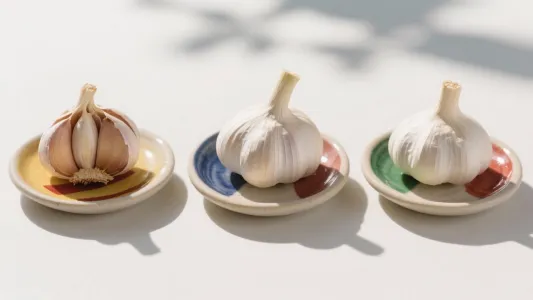
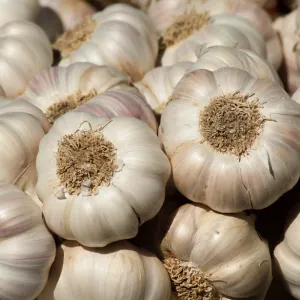
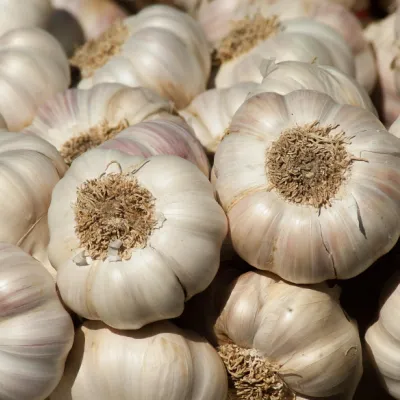
The pigmentation of red garlic provides critical clues about its flavor profile and storage potential. Premium bulbs exhibit a consistent, vibrant reddish-purple hue across all cloves, indicating optimal anthocyanin content—a natural antioxidant responsible for both color and health benefits.
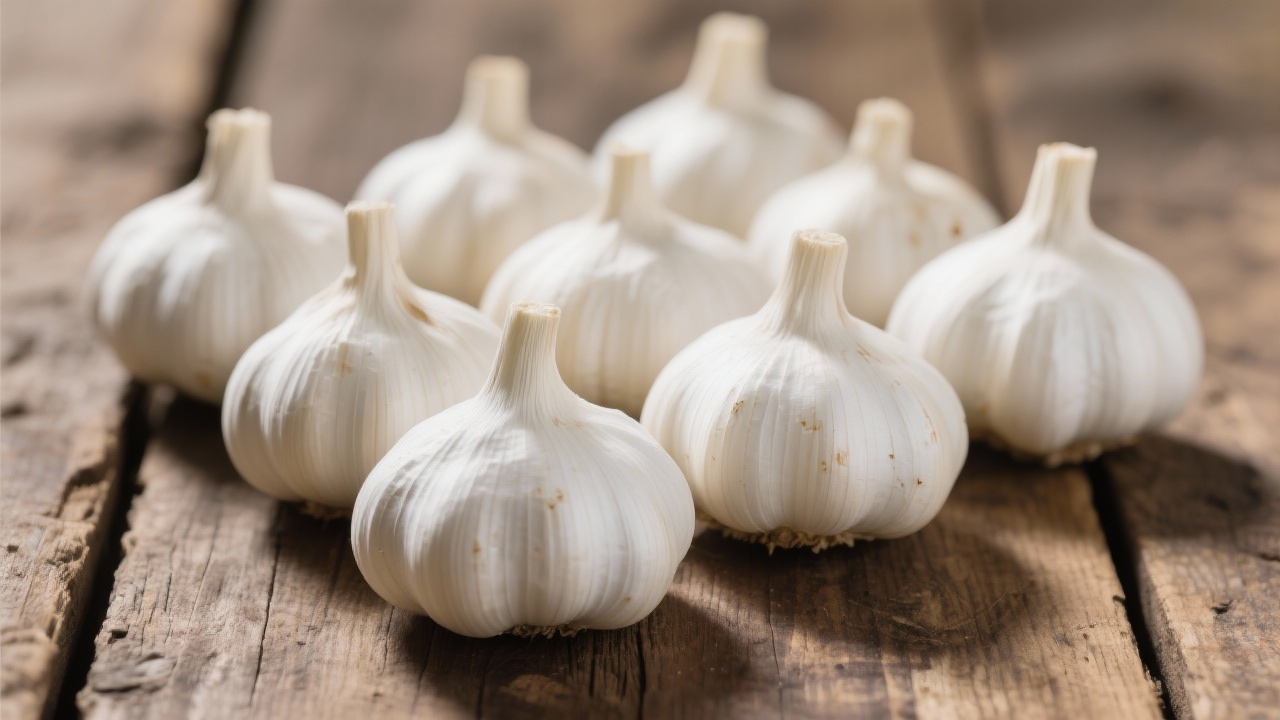
International markets recognize specific size classifications for red garlic, with bulb diameter directly impacting market value. While larger bulbs typically command higher prices, optimal size varies by target market and end use.
| Market Segment | Optimal Diameter | Price Premium |
|---|---|---|
| Premium Restaurant Trade | 55-65mm | 15-20% above average |
| Retail Supermarkets | 45-55mm | 5-10% above average |
| Food Processing Industry | 35-45mm | Base market price |
When evaluating size, consistency within batches is equally important. Reputable suppliers maintain size variation of no more than 5mm within any single shipment, ensuring uniform cooking performance and presentation for end consumers.
High-quality red garlic should exhibit minimal soil residue while retaining its natural protective papery skin. Excessive cleaning can compromise shelf life by removing this protective layer, while insufficient cleaning may indicate poor harvesting practices.
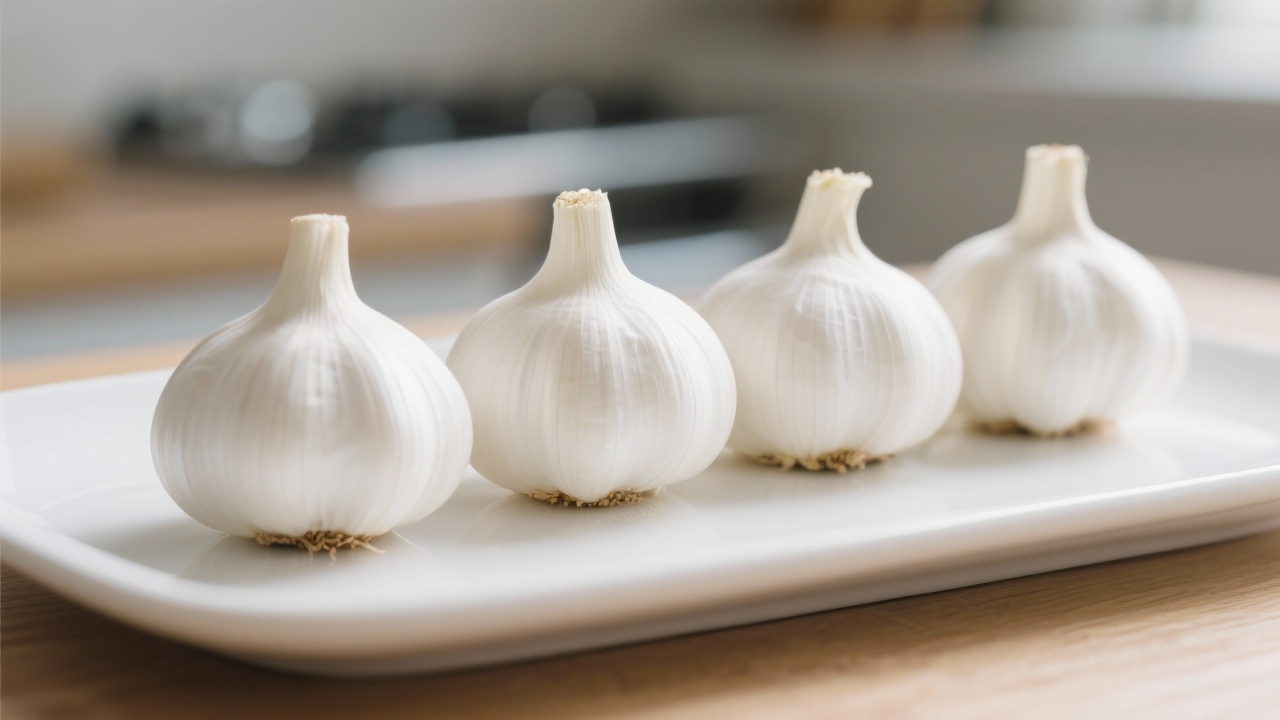
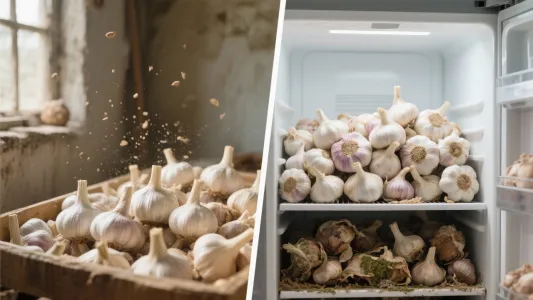
Freshness indicators include firm cloves with no signs of sprouting or softening. The stem end should appear dry and intact, with no visible mold or discoloration. For B2B buyers, requesting harvest date documentation is crucial—optimal shelf life begins from this point, typically ranging from 6-9 months under proper storage conditions.
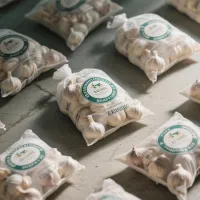
The global red garlic market is experiencing dynamic shifts, with organic certification driving a 27% price premium in North American and European markets. Consumer preference for sustainable packaging has led to increased demand for mesh bags and recyclable cartons, replacing traditional plastic packaging in many regions.
United States: 10kg mesh bags with barcode labeling and country of origin documentation
European Union: 5kg cartons with CE certification and traceability QR codes
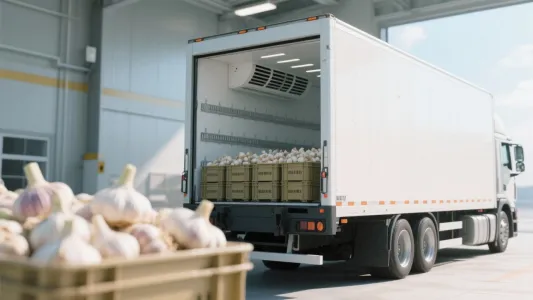
Middle East: 20kg bulk packaging with humidity control for extended transport
Southeast Asia: 1kg retail-ready packs with clear visibility of product quality
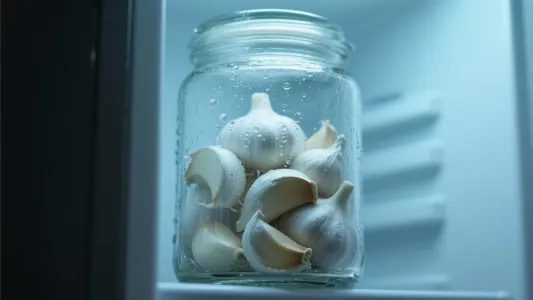
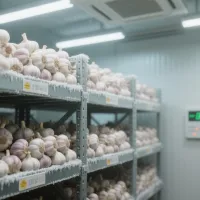
Maintaining optimal quality during storage requires precise environmental control. The ideal conditions include:

When implemented correctly, these storage protocols can extend shelf life by 30-40% compared to standard warehouse conditions, significantly reducing waste and improving profit margins for distributors.
Gain access to our exclusive supplier network and quality assurance protocols
Download Our Red Garlic Sourcing GuideAs consumer demand for authentic, high-quality ingredients continues to rise, the ability to consistently select premium red garlic becomes a strategic advantage in the global marketplace. By implementing these evaluation criteria and storage recommendations, B2B buyers can enhance product quality, reduce returns, and build long-term customer loyalty in competitive international markets.
 473
|
473
|
 A-grade garlic inspection
Middle East garlic export
garlic quality control
standardized garlic sourcing
garlic culinary applications
A-grade garlic inspection
Middle East garlic export
garlic quality control
standardized garlic sourcing
garlic culinary applications
 469
|
Garlic packaging solutions
Advantages of breathable mesh bags
Cross - border logistics for agricultural products
Cold chain transportation optimization
Food packaging design
469
|
Garlic packaging solutions
Advantages of breathable mesh bags
Cross - border logistics for agricultural products
Cold chain transportation optimization
Food packaging design
 279
|
export garlic varieties
white garlic vs red garlic
purple garlic cooking uses
garlic storage techniques
agricultural grading standards for garlic
279
|
export garlic varieties
white garlic vs red garlic
purple garlic cooking uses
garlic storage techniques
agricultural grading standards for garlic
 386
|
garlic variety differences
nutritional value of red garlic
cooking uses of purple garlic
white garlic for stewing
garlic storage temperature
386
|
garlic variety differences
nutritional value of red garlic
cooking uses of purple garlic
white garlic for stewing
garlic storage temperature
 408
|
Garlic storage
Food service industry preservation
Refrigeration technology
Ventilated packaging
Scientific preservation methods
408
|
Garlic storage
Food service industry preservation
Refrigeration technology
Ventilated packaging
Scientific preservation methods


.png?x-oss-process=image/resize,h_600,m_lfit/format,webp)







.png?x-oss-process=image/resize,h_200,m_lfit/format,webp)





 TikTok
 Facebook