
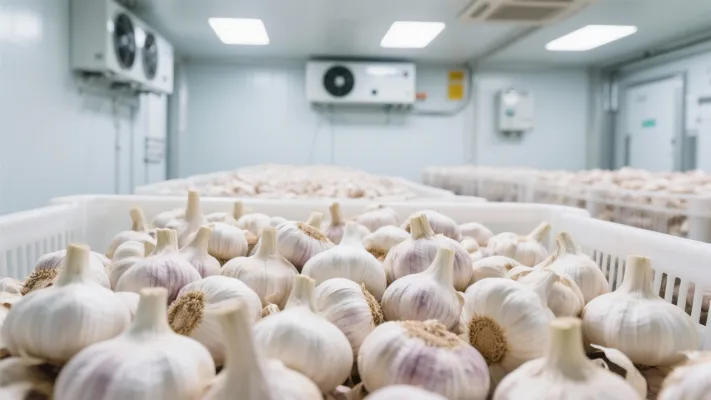
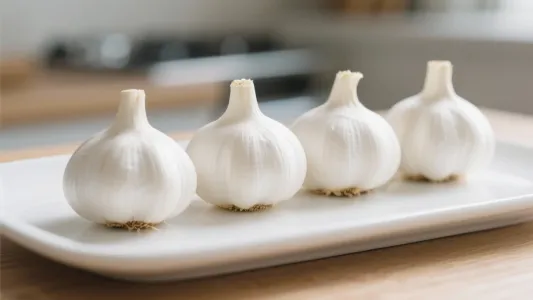
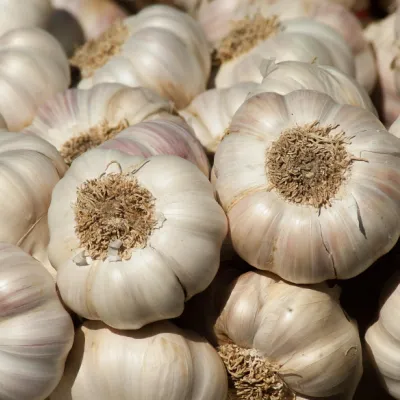
In the world of the food industry, the quality of ingredients is of utmost importance. Garlic, a staple ingredient in countless cuisines, is no exception. However, many food service providers often face the problem of inconsistent garlic quality. Why do some batches of garlic remain fresh and plump in restaurants, while others sprout and shrivel?
Let's start by looking at the pain points of ordinary storage methods. Traditional storage conditions, such as room temperature or simple refrigeration, are far from ideal for garlic. According to agricultural research, at room temperature (around 20 - 25°C), garlic can start to sprout within 2 - 3 weeks, and the rate of spoilage can reach up to 30% within a month. Microorganisms thrive in such environments, and the enzymes in garlic continue to be active, leading to the degradation of nutrients and the loss of flavor.
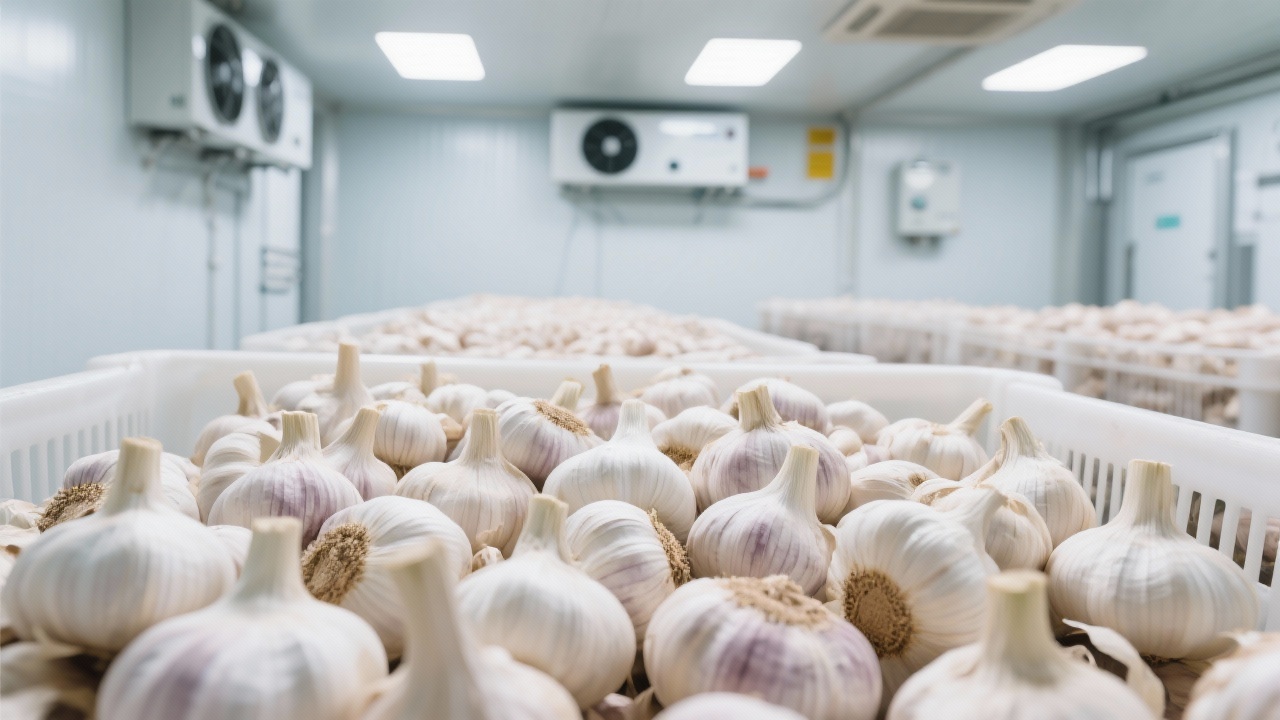
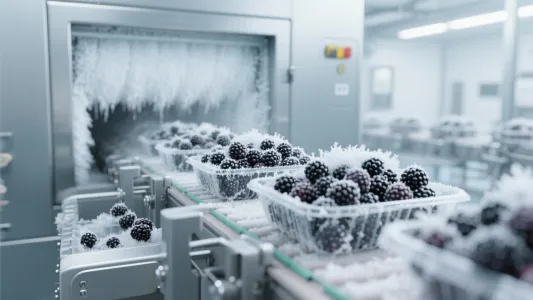
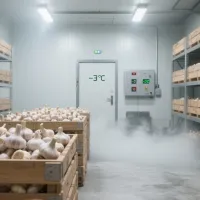
Professional cold storage technology offers a solution to these problems. By maintaining a specific low - temperature range, it can effectively inhibit enzyme activity and the growth of microorganisms. Enzymes are biological catalysts that speed up chemical reactions in garlic. At normal temperatures, they cause the breakdown of starches into sugars, which can lead to sprouting and spoilage. However, when the temperature drops, the kinetic energy of the enzyme molecules decreases, reducing their activity. For example, at - 3°C to 0°C, the enzyme activity can be reduced by up to 80% compared to room temperature.
Microorganisms, including bacteria and fungi, are another major cause of garlic spoilage. They require suitable temperature, humidity, and nutrients to grow. Low temperatures can slow down or even stop their growth. Research shows that at - 3°C to 0°C, the growth rate of common spoilage microorganisms in garlic can be reduced by more than 90%, significantly extending the shelf - life of garlic.
The temperature range of - 3°C to 0°C is considered the "golden zone" for garlic storage. This range is carefully selected to avoid ice crystal damage. When the temperature drops below - 3°C, ice crystals can form inside the garlic cells, causing the cell walls to rupture and leading to irreversible damage. On the other hand, if the temperature is above 0°C, the inhibitory effect on enzyme activity and microbial growth is not as effective.
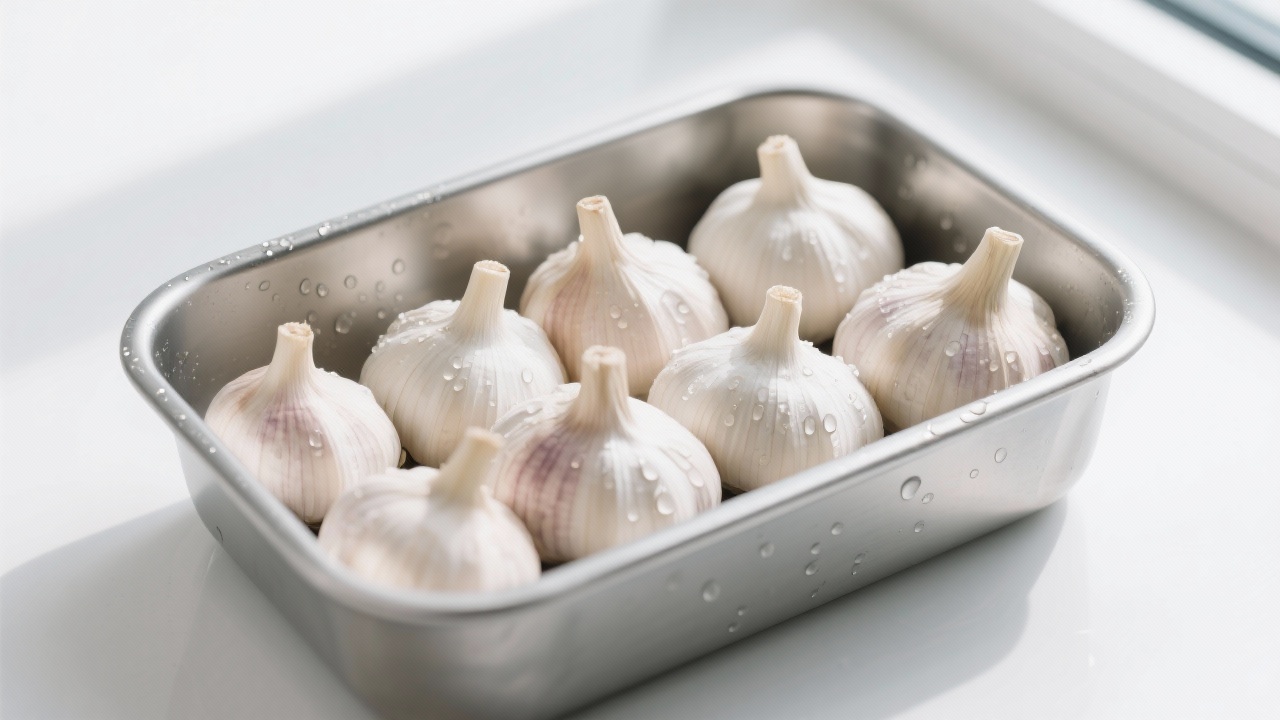
The choice of packaging also plays a crucial role in garlic preservation. A 10 - kg mesh bag is a popular choice in the food industry. The mesh structure allows for good ventilation, which helps to remove excess moisture and prevent the accumulation of carbon dioxide. Excess moisture can promote the growth of mold and bacteria, while high levels of carbon dioxide can accelerate the aging process of garlic.
Moreover, the use of mesh bags can prevent cross - contamination between different garlic cloves. In a closed or poorly ventilated container, if one clove starts to spoil, the odor and microorganisms can easily spread to other cloves, leading to a higher rate of spoilage. The 10 - kg size is also convenient for handling, storage, and transportation in the food supply chain.
For food service providers, such as restaurants and catering companies, using professional cold storage technology and appropriate packaging for garlic can bring significant benefits. Firstly, it ensures a stable supply of high - quality garlic, which is essential for maintaining the taste and quality of their dishes. Secondly, it reduces food waste, which not only saves costs but also aligns with the growing trend of sustainability in the food industry.
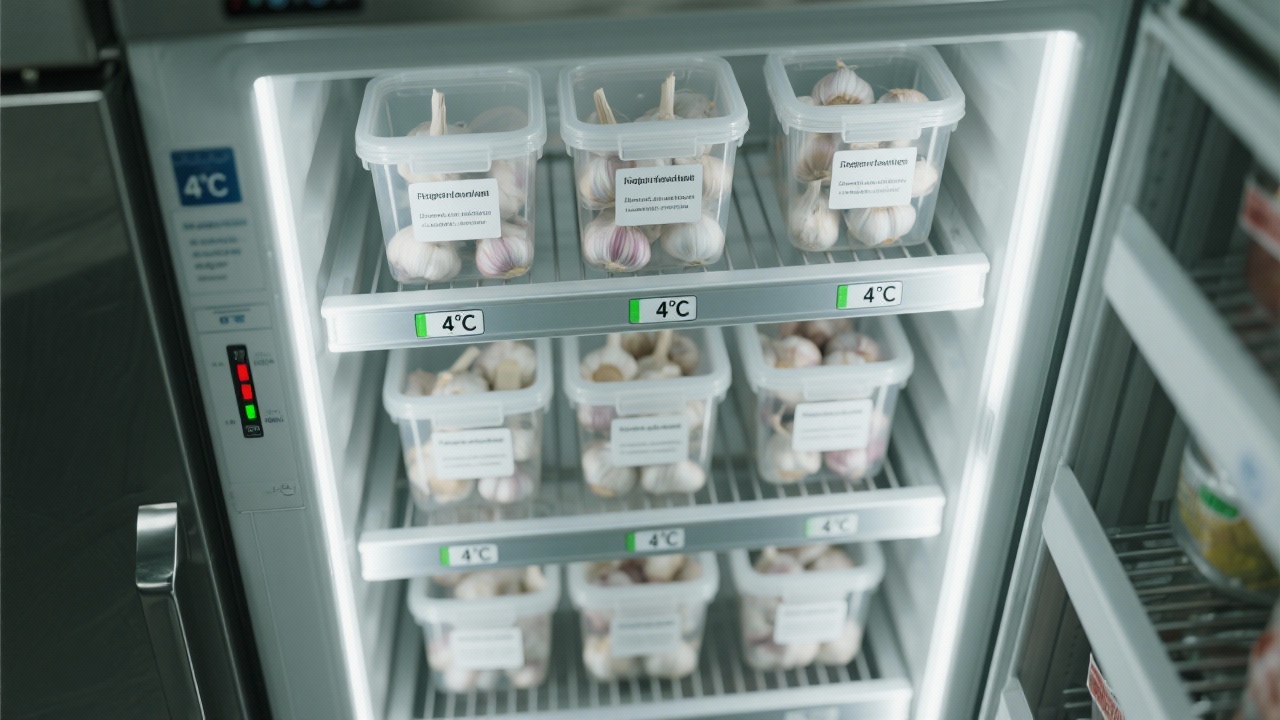
As a food service manager, you understand the importance of high - quality ingredients. When it comes to garlic, professional cold storage is not just about keeping it fresh; it's a commitment to quality. It allows you to control the quality of your ingredients from the source, providing your customers with a sustainable and high - quality dining experience.
We invite you to share your thoughts and experiences in the comments section below. Do you have any other questions about garlic storage or food ingredient quality control? Let's discuss!
 212
|
212
|
 A grade white garlic quality
garlic grading standards
white garlic procurement guide
no sprout garlic inspection
garlic quality assessment
A grade white garlic quality
garlic grading standards
white garlic procurement guide
no sprout garlic inspection
garlic quality assessment
 151
|
cold chain logistics for garlic
garlic transport loss reduction
refrigerated storage temperature
HACCP in agriculture
农产品冷链保鲜
151
|
cold chain logistics for garlic
garlic transport loss reduction
refrigerated storage temperature
HACCP in agriculture
农产品冷链保鲜
 249
|
organic fresh ginger applications
ginger essential oil extraction
health benefits of ginger
organic ginger export advantages
culinary uses of fresh ginger
249
|
organic fresh ginger applications
ginger essential oil extraction
health benefits of ginger
organic ginger export advantages
culinary uses of fresh ginger
 256
|
ginger health benefits
functional food
natural therapy
gingerol function
curcumin advantages
256
|
ginger health benefits
functional food
natural therapy
gingerol function
curcumin advantages
 194
|
Mesh bag packaging
Garlic preservation
Agricultural product transportation
Cold-chain logistics
Packaging breathability
194
|
Mesh bag packaging
Garlic preservation
Agricultural product transportation
Cold-chain logistics
Packaging breathability

.png?x-oss-process=image/resize,h_600,m_lfit/format,webp)






_(2).jpg?x-oss-process=image/resize,m_fill,h_200,w_200/format,webp)
.jpg?x-oss-process=image/resize,m_fill,h_200,w_200/format,webp)

.png?x-oss-process=image/resize,h_200,m_lfit/format,webp)





 TikTok
 Facebook