
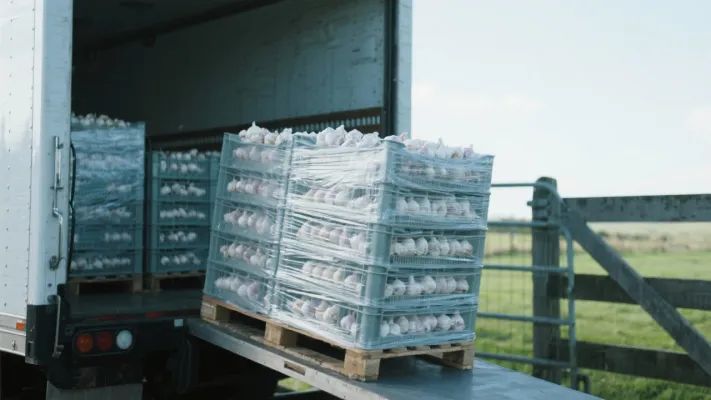
If you manage a restaurant or a food service operation, you know the frustration of seeing fresh garlic turn sprouted and shriveled prematurely. Why does one batch of garlic stay plump and flavorful while another disappoints? The secret lies not just in sourcing but critically in how garlic is stored post-harvest. Leveraging professional cold storage solutions designed specifically for garlic can transform your ingredient quality management and enhance your kitchen’s consistency.
Garlic is a living bulb even after harvest, with ongoing metabolic processes like respiration and enzymatic activity. These biological reactions accelerate at room temperature, leading to moisture loss, sprouting, and nutrient degradation within days or weeks. By maintaining a precise cold range between -3℃ and 0℃, professional cold storage effectively slows down these processes.
Agricultural research confirms that this temperature window balances minimizing ice crystal formation—which can rupture cell walls and cause texture damage—and restricting enzyme activity that triggers sprouting and spoilage. For example, a study from the USDA Agricultural Research Service reports up to a 50% extension of shelf-life for garlic stored within this temperature range compared to typical refrigeration (~4℃).
Storage temperature is just one part of the freshness equation. How garlic is packaged inside the cold room also plays a vital role. Using 10 kilogram mesh bags is a practical design that enhances air circulation while easing handling during inventory turnover.
The open weave of mesh bags prevents moisture build-up and facilitates uniform cold airflow all around the bulbs, which reduces hotspots where spoilage microbes thrive. It also minimizes cross-contamination by limiting direct contact between different batches. This approach contrasts with sealed plastic packaging that often traps humidity and accelerates decay.
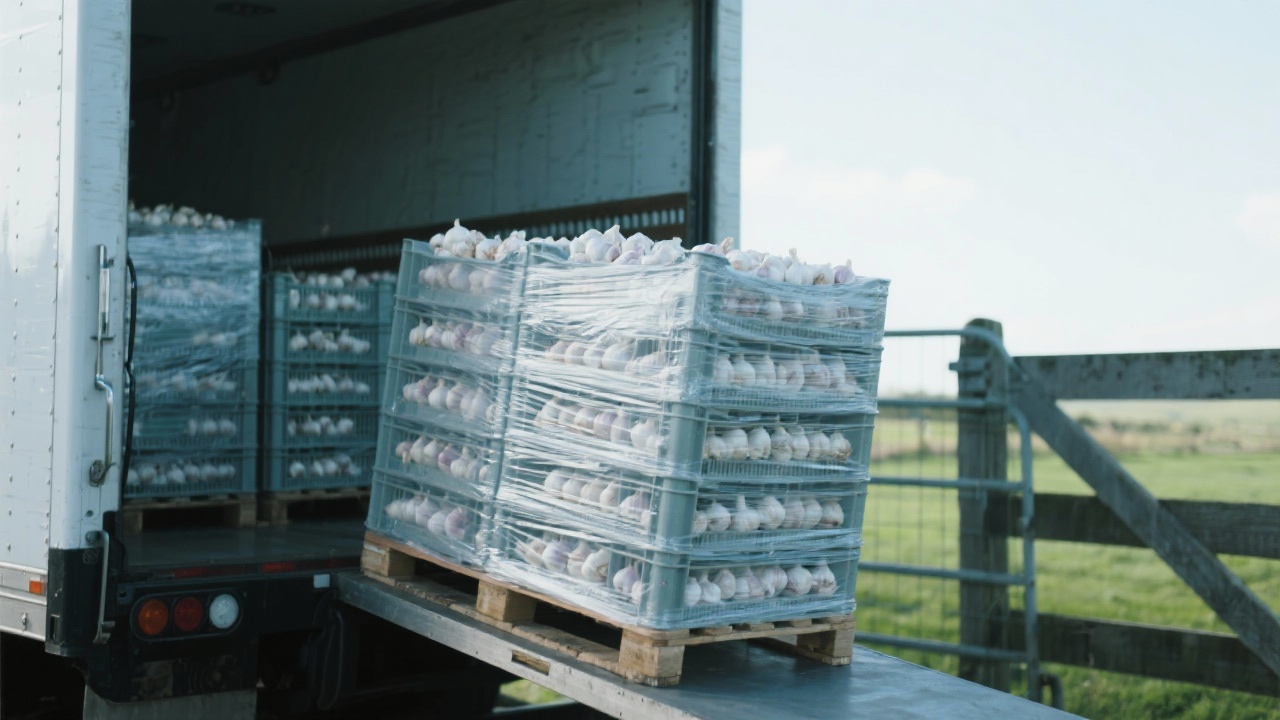
When you integrate professional cold storage solutions specifically tailored for garlic, you gain control from the moment your supplier delivers until the head chef takes the first clove. The benefits include:
Mastering cold chain principles also helps you meet growing consumer demands for transparency and sustainability. Your clients can trust that every clove served is backed by data-driven quality assurance.
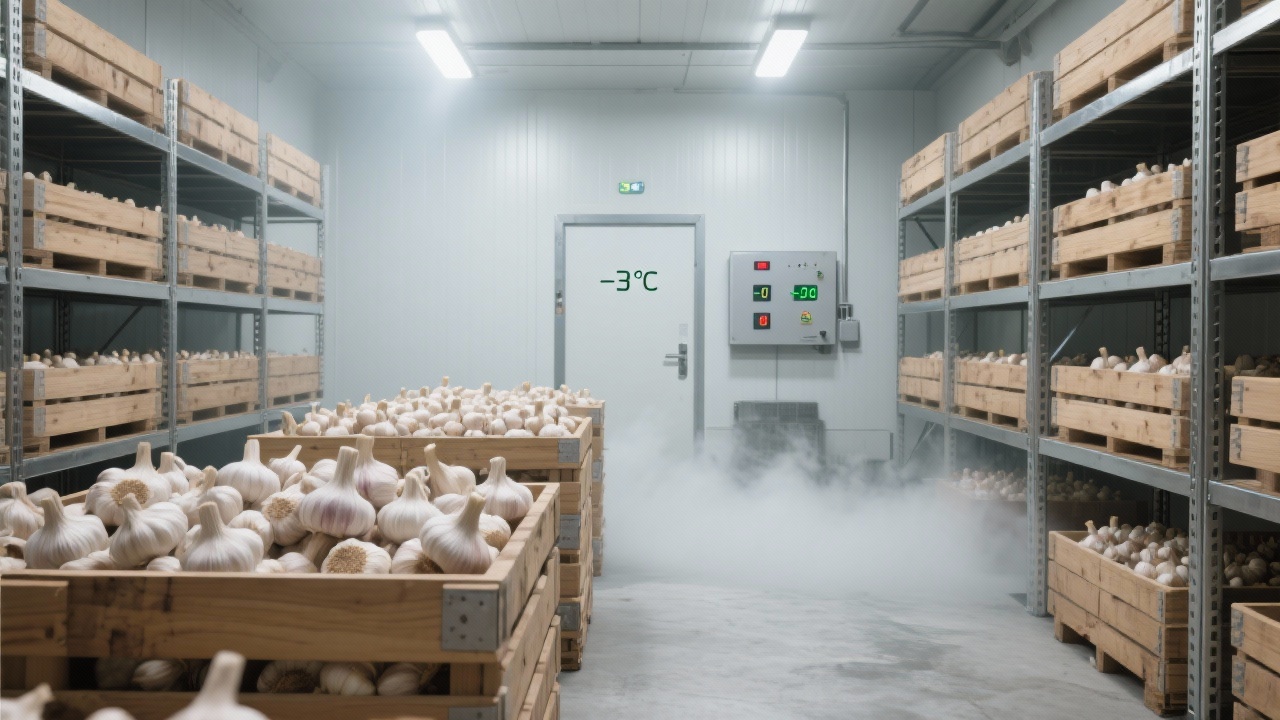
You might ask yourself: “How often have I received garlic that looked fresh but spoiled soon after storage? Have you faced last-minute substitutions due to poor ingredient quality?” Such common pain points underline the necessity for cold storage tailored to this unique root crop.
Investing in professional cold storage sets a new standard in your sourcing strategy—from origin to plate, redefining quality benchmarks. Together with optimal packaging and strict temperature monitoring, you eliminate guesswork and deliver consistent dining experiences.
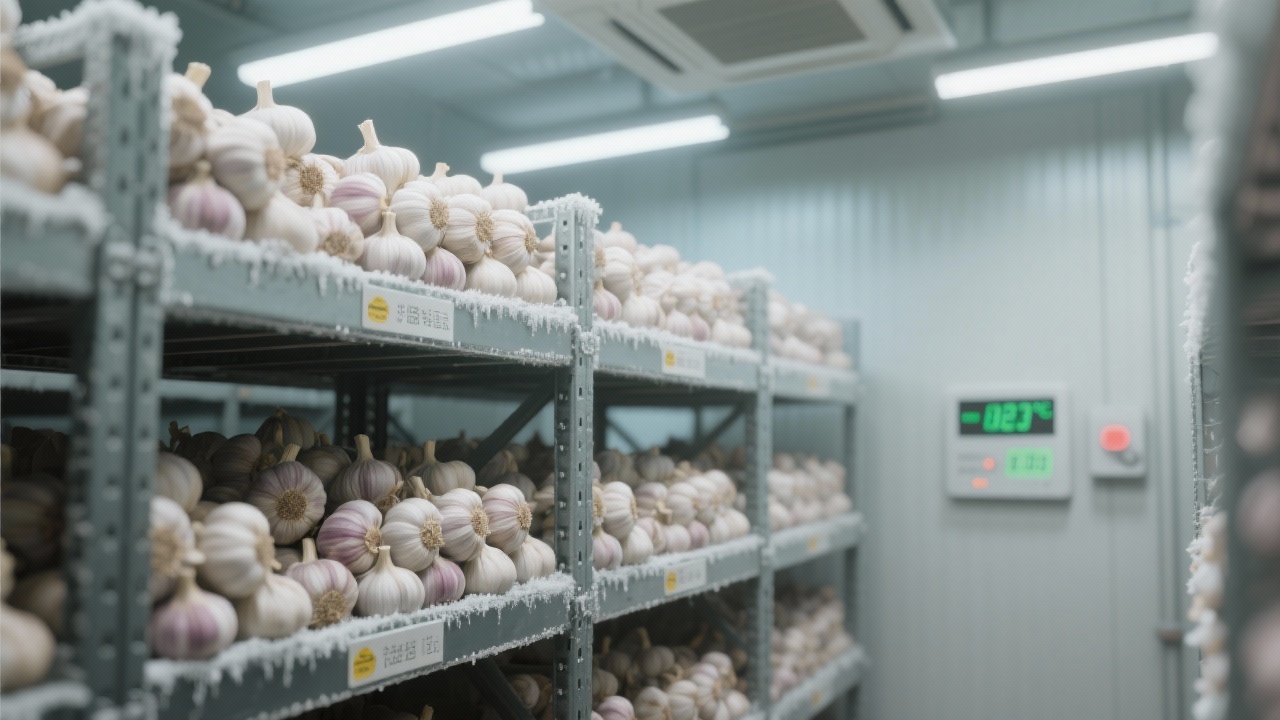
Take a moment—what are the most frequent issues you encounter with garlic storage in your kitchen? How could prolonged freshness streamline your operations?
 212
|
212
|
 A grade white garlic quality
garlic grading standards
white garlic procurement guide
no sprout garlic inspection
garlic quality assessment
A grade white garlic quality
garlic grading standards
white garlic procurement guide
no sprout garlic inspection
garlic quality assessment
 187
|
high-quality garlic sourcing
fresh garlic storage tips
agricultural export quality control
cold chain preservation for garlic
garlic procurement best practices
187
|
high-quality garlic sourcing
fresh garlic storage tips
agricultural export quality control
cold chain preservation for garlic
garlic procurement best practices
 348
|
Grade A white garlic standards
high - quality garlic identification
garlic grading methods
export garlic quality
white garlic procurement guide
348
|
Grade A white garlic standards
high - quality garlic identification
garlic grading methods
export garlic quality
white garlic procurement guide
 254
|
red garlic recipe
red garlic vs white garlic
red garlic health benefits
premium seasoning ingredients
how to choose red garlic
254
|
red garlic recipe
red garlic vs white garlic
red garlic health benefits
premium seasoning ingredients
how to choose red garlic
 357
|
Premium garlic
European market
Garlic variety selection
Garlic storage technology
Supply chain management
357
|
Premium garlic
European market
Garlic variety selection
Garlic storage technology
Supply chain management


.png?x-oss-process=image/resize,h_600,m_lfit/format,webp)







.png?x-oss-process=image/resize,h_200,m_lfit/format,webp)





 TikTok
 Facebook