
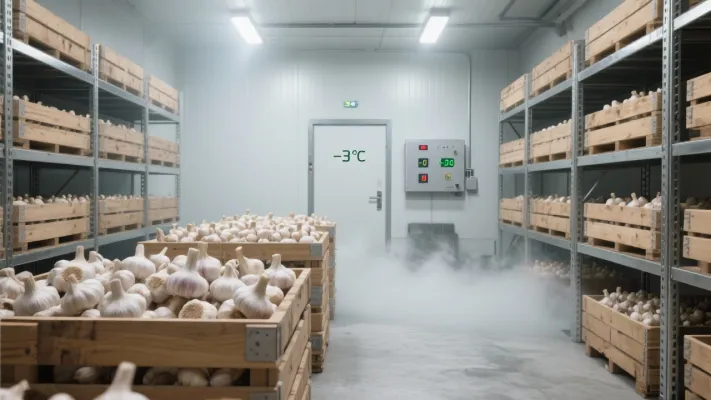
In today's global fresh produce trade, maintaining optimal quality from farm to fork has become a critical competitive advantage. The global garlic market, valued at approximately $23.1 billion in 2023 and projected to grow at a CAGR of 4.2%, demands precise logistics solutions to preserve product integrity during international transit. For garlic exporters, temperature fluctuations alone can result in quality degradation rates of up to 30% during extended shipping periods, directly impacting market value and customer satisfaction.
Industry Insight:
According to the International Fresh Produce Association, proper cold chain management can extend garlic's shelf life by 200-300% compared to ambient temperature shipping, while reducing post-harvest losses from an average of 25% to under 5%.
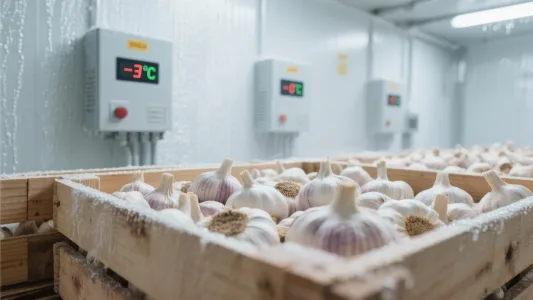
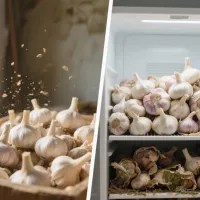
Garlic, a staple commodity in cuisines worldwide, presents unique challenges for cross-border logistics. Its physiological characteristics make it particularly susceptible to temperature variations. Research indicates that garlic stored above 5°C accelerates sprouting, while temperatures below -5°C cause irreversible freezing damage to cell structures. The optimal temperature window of -3°C to 0°C requires precise monitoring throughout the supply chain.
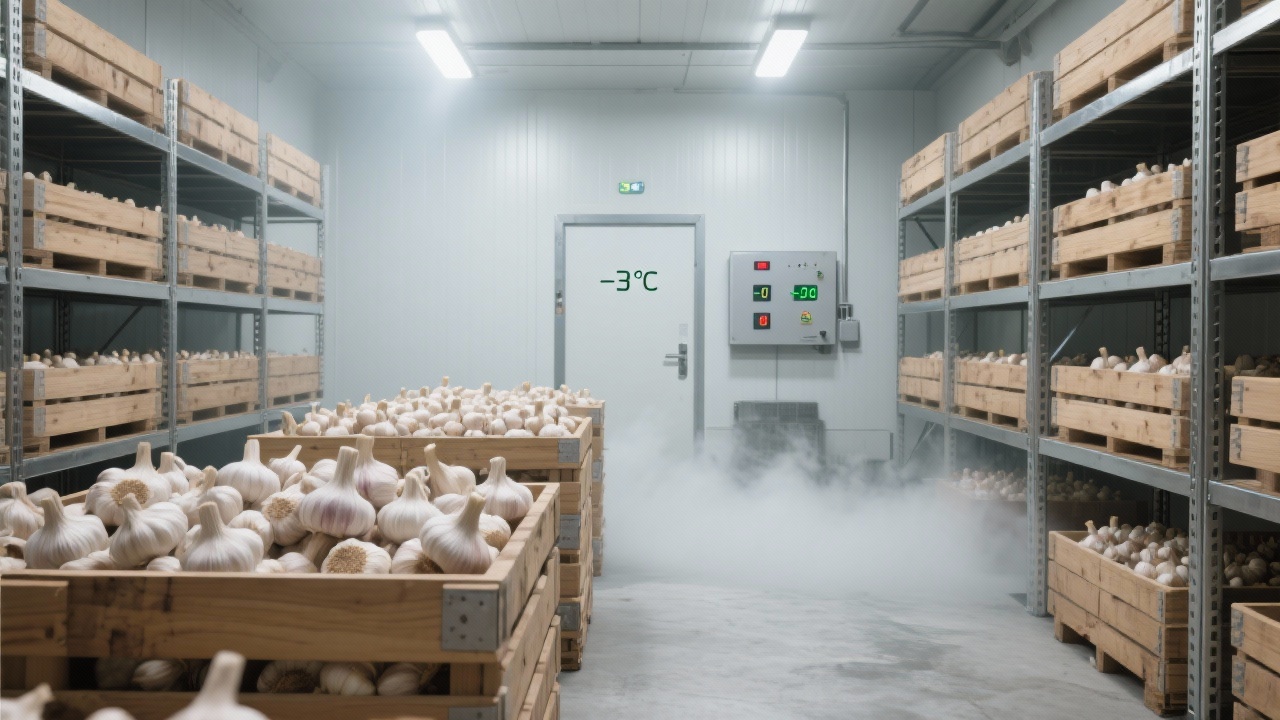
Modern cold chain solutions employ advanced technologies including real-time temperature tracking, GPS monitoring, and remote humidity control. These systems provide exporters with actionable data to maintain product quality, with studies showing that shipments utilizing such technologies experience 65% fewer quality claims compared to conventional transport methods.
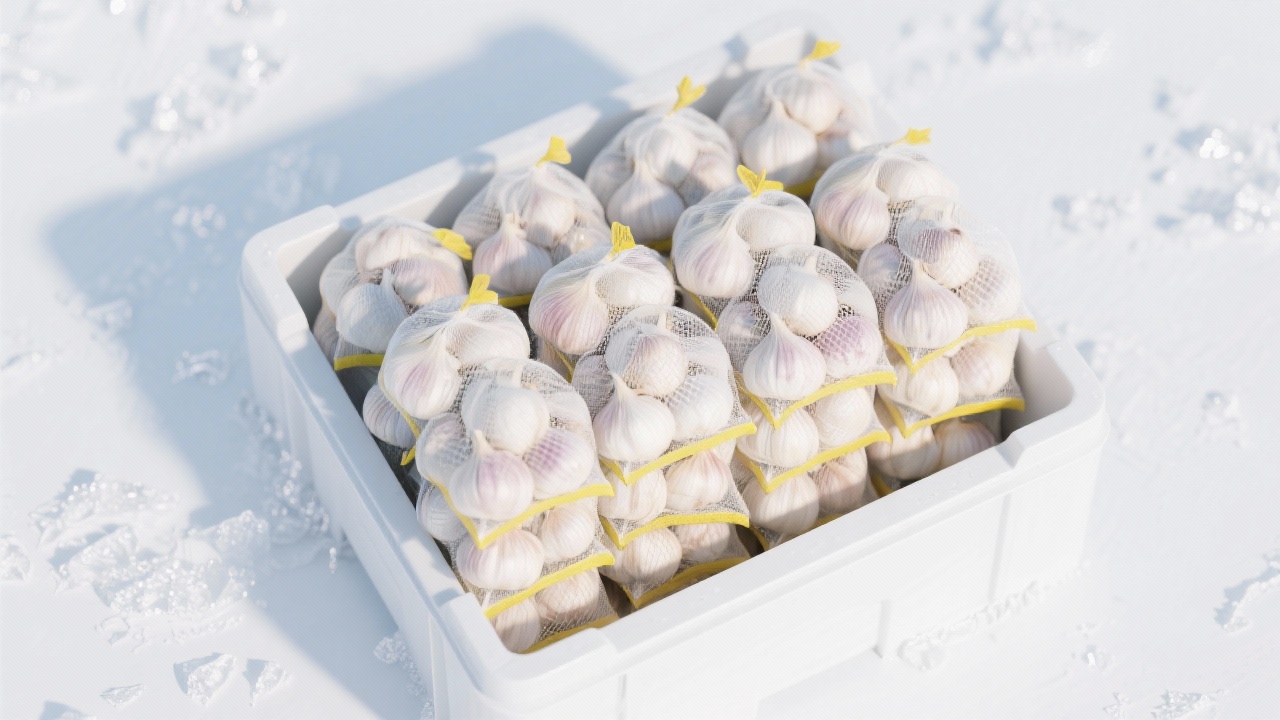
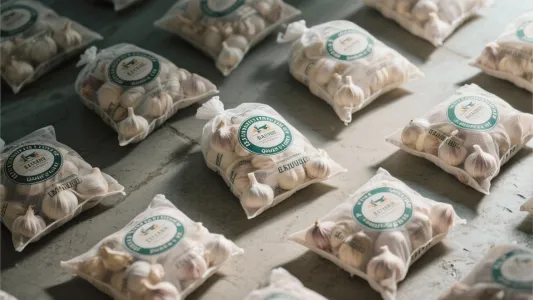
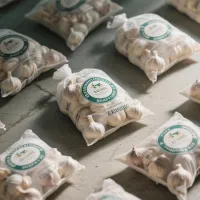
Packaging serves as the first line of defense in garlic logistics. 亿商桥(杭州)国际贸易有限公司 has pioneered the use of standardized 10kg mesh bags, a solution that addresses multiple logistical challenges simultaneously. This packaging design offers superior ventilation compared to traditional plastic packaging, reducing moisture buildup by up to 40% during transit.
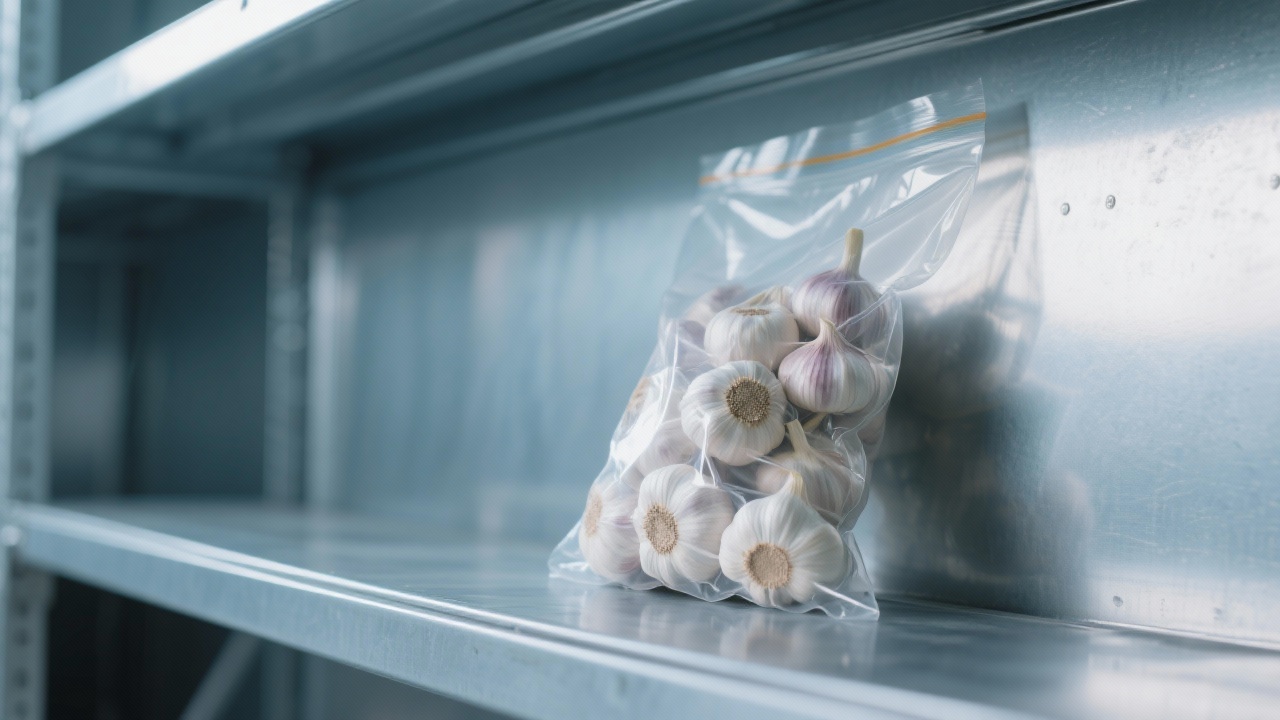
Real-world application of these principles has yielded impressive results. A recent shipment from Shandong province to the European market demonstrated the effectiveness of integrated cold chain management. By implementing a pre-cooling process that reduced garlic core temperature from 22°C to 0°C within 6 hours prior to loading, and maintaining constant temperature throughout a 32-day transit period, the shipment arrived with 97% marketable product, exceeding the industry average of 85% for similar routes.
Documentation preparation proved equally critical. The implementation of electronic phytosanitary certificates and pre-approval with customs authorities reduced clearance time at destination ports by an average of 48 hours, significantly lowering storage costs and reducing the risk of temperature excursions during extended port stays.
Successful garlic export requires a systematic approach to quality control. The process begins with careful harvest timing, selecting bulbs at optimal maturity when allicin content reaches 1.2-1.5mg/g. Following harvest, a three-stage curing process at 28-32°C with controlled humidity removes excess moisture while preserving essential oils that contribute to garlic's distinctive flavor and shelf life.
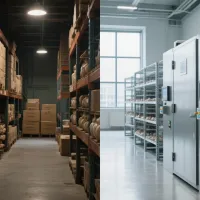
Third-party quality inspection, conducted by accredited laboratories, verifies key parameters including bulb diameter (minimum 50mm for premium grade), absence of mechanical damage (less than 3% allowable), and pesticide residue levels (compliant with EU MRL standards). Containers are pre-cooled to target temperature 24 hours before loading, with air circulation patterns optimized to ensure uniform temperature distribution throughout the cargo.
Partner with industry leaders in premium garlic export logistics to ensure consistent quality and maximize your market competitiveness.
Connect with 亿商桥 Logistics SpecialistsExporters must also remain vigilant regarding evolving regulatory requirements. The recent implementation of the EU's Farm to Fork strategy has introduced stricter traceability requirements, necessitating enhanced documentation throughout the supply chain. Digital solutions that provide end-to-end visibility not only ensure regulatory compliance but also offer valuable data insights for continuous improvement of logistics processes.
As global demand for high-quality garlic continues to rise, the ability to consistently deliver fresh product becomes increasingly valuable. By implementing the temperature-controlled logistics strategies outlined above, exporters can differentiate their offerings in competitive international markets while building long-term relationships with buyers who value reliability and quality consistency.

 122
|
122
|
 red garlic cultivation techniques
A-grade red garlic production
red garlic quality control
red garlic post-harvest handling
red garlic cold chain logistics
red garlic cultivation techniques
A-grade red garlic production
red garlic quality control
red garlic post-harvest handling
red garlic cold chain logistics
 438
|
garlic varieties comparison
allicin content
garlic export
garlic flavor profiles
nutritional value of garlic
438
|
garlic varieties comparison
allicin content
garlic export
garlic flavor profiles
nutritional value of garlic
 493
|
year-round garlic supply
intelligent storage technology
green pest control
garlic cultivation management
China garlic industry
493
|
year-round garlic supply
intelligent storage technology
green pest control
garlic cultivation management
China garlic industry
 398
|
red garlic pickling
restaurant pickling techniques
sauce flavor complexity
long-lasting sauce flavor
garlic marinade optimization
482
|
garlic varieties comparison
garlic flavor differences
allicin content
garlic cooking guide
亿商桥
398
|
red garlic pickling
restaurant pickling techniques
sauce flavor complexity
long-lasting sauce flavor
garlic marinade optimization
482
|
garlic varieties comparison
garlic flavor differences
allicin content
garlic cooking guide
亿商桥
.png?x-oss-process=image/resize,h_600,m_lfit/format,webp)






.png?x-oss-process=image/resize,h_200,m_lfit/format,webp)





 TikTok
 Facebook