
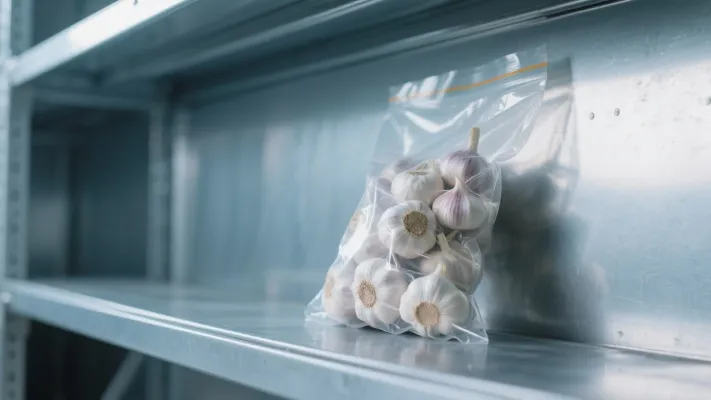
In the competitive global fresh produce market, maintaining garlic quality during international shipping remains a significant challenge for exporters. Statistics show that improper temperature management alone causes up to 25% of fresh garlic shipments to degrade below marketable quality, resulting in an estimated $300 million in annual losses for global garlic exporters. This guide explores proven strategies to overcome logistical hurdles and ensure your garlic reaches international markets in optimal condition.
Garlic, with its high moisture content (approximately 60-65%) and delicate cellular structure, is particularly susceptible to temperature variations during transit. Research indicates that temperatures above 15°C accelerate sprouting by 300%, while exposure to temperatures below 0°C causes irreversible freezing damage in as little as 48 hours. The ideal temperature range for garlic transportation is strictly maintained between 0°C and 4°C, with a relative humidity of 65-70% to prevent both sprouting and desiccation.
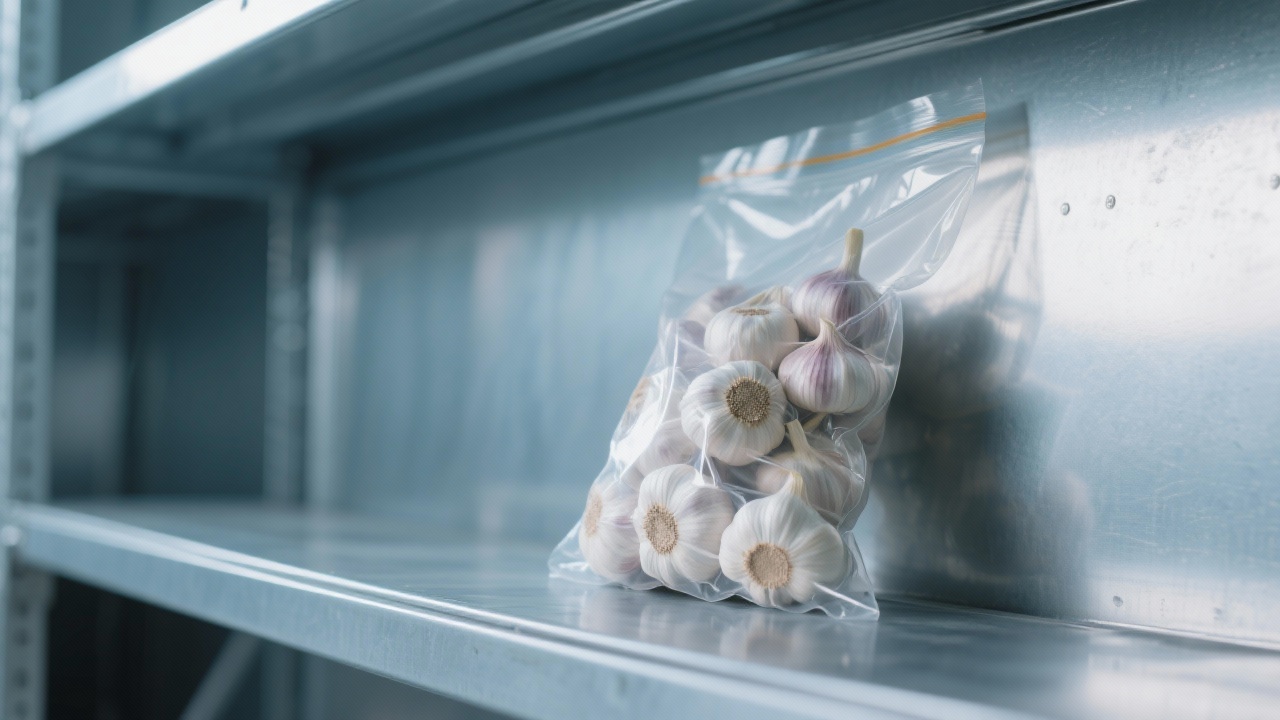
Successful garlic export requires addressing three primary challenges:
Yishangqiao, a leading garlic exporter, implemented a comprehensive logistics strategy that reduced quality-related losses from 18% to just 4.5% within one year. Central to their success was the adoption of 10kg mesh bag packaging, which provides optimal air circulation while maintaining structural integrity during handling. Combined with their proprietary pre-cooling process that reduces garlic core temperature to 2°C within 6 hours of harvest, this system has set new industry standards for garlic preservation during transit.
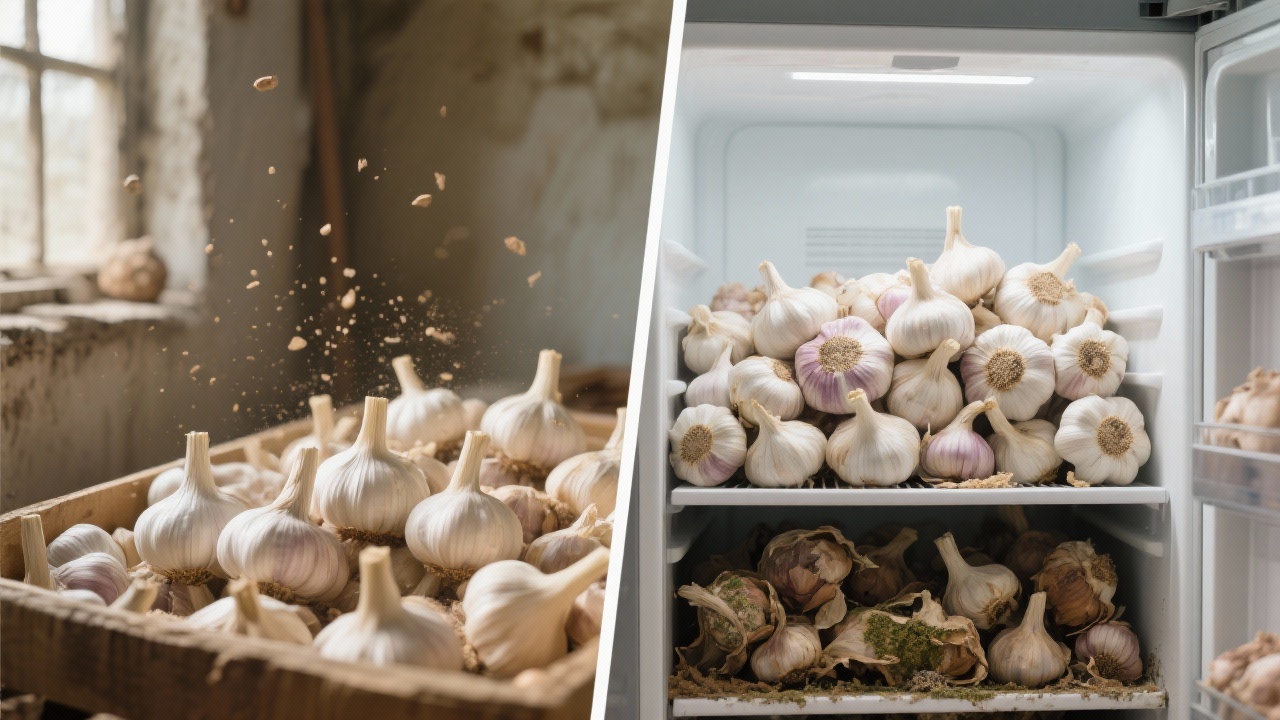
Effective pre-cooling is critical to preserving garlic quality. The process should reduce temperature from field levels (typically 20-25°C) to 0-4°C within 12 hours of harvest. Forced-air cooling systems have proven most effective, achieving target temperatures 30% faster than conventional cooling methods.
Optimal packaging must balance protection with ventilation. Yishangqiao's 10kg mesh bags, constructed from food-grade polypropylene with 5mm ventilation holes spaced 3cm apart, provide the ideal balance. Secondary carton packaging should include moisture-absorbent liners to manage condensation during temperature transitions.
Pallet configuration should allow 5cm air gaps between cartons to ensure uniform cold air circulation. Temperature data loggers should be placed in at least three locations per container: front, middle, and rear, with real-time monitoring capabilities for immediate response to temperature excursions.
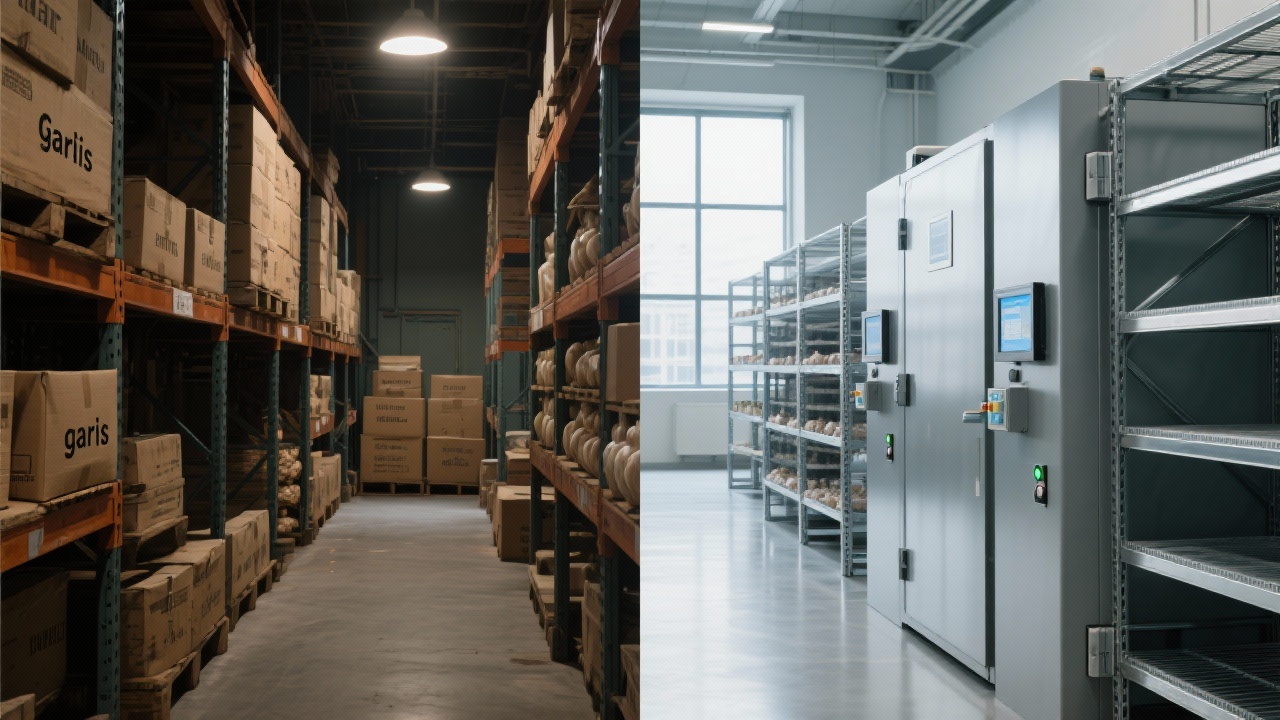
Accurate documentation reduces clearance delays. Essential documents include phytosanitary certificates, temperature logs, packing lists with lot codes, and compliance certificates for destination markets. Digitizing these documents can reduce clearance times by an average of 30%.
Partner with Yishangqiao to leverage our proven logistics expertise and premium garlic supply. Our integrated approach to temperature-controlled transportation ensures your garlic reaches markets with optimal freshness and maximum market value.
Contact Yishangqiao Export SpecialistsThird-party inspection plays a vital role in maintaining standards. Inspections should occur at three critical points: post-harvest before pre-cooling, after packaging, and upon arrival at destination. Key inspection criteria include firmness (minimum 6.5kg force using penetrometer testing), absence of mold (less than 0.5% affected cloves), and sprout length (not exceeding 2mm).
By implementing these comprehensive logistics strategies, agricultural exporters can significantly reduce quality losses and enhance their competitive position in global markets. The combination of proper temperature management, optimal packaging, and streamlined documentation creates a robust system that protects your garlic from harvest to market.

 130
|
130
|
 red garlic usage
purple garlic flavor
international cuisine garlic pairing
garlic variety guide
kitchen garlic storage tips
red garlic usage
purple garlic flavor
international cuisine garlic pairing
garlic variety guide
kitchen garlic storage tips
 169
|
fresh garlic storage methods
export garlic preservation techniques
home garlic storage tips
commercial garlic storage solutions
garlic quality inspection standards
169
|
fresh garlic storage methods
export garlic preservation techniques
home garlic storage tips
commercial garlic storage solutions
garlic quality inspection standards
 226
|
organic ginger uses
ginger essential oil recipe
ginger health benefits
ginger cooking techniques
ginger腌制方法
226
|
organic ginger uses
ginger essential oil recipe
ginger health benefits
ginger cooking techniques
ginger腌制方法
 64
|
European garlic varieties
garlic storage solutions
garlic processing applications
garlic supply chain management
garlic flavor profiles
64
|
European garlic varieties
garlic storage solutions
garlic processing applications
garlic supply chain management
garlic flavor profiles
 93
|
garlic selection tips
garlic storage methods
fresh garlic preservation
mesh bag packaging benefits
export garlic transport safety
93
|
garlic selection tips
garlic storage methods
fresh garlic preservation
mesh bag packaging benefits
export garlic transport safety


.png?x-oss-process=image/resize,h_600,m_lfit/format,webp)








.png?x-oss-process=image/resize,h_200,m_lfit/format,webp)





 TikTok
 Facebook