
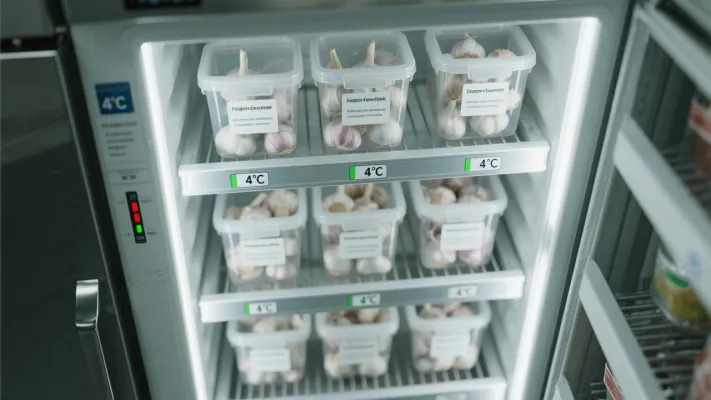
In the global agricultural trade, the journey of garlic from farm to table involves a critical factor that often goes unnoticed by consumers but is paramount for buyers and importers: cold chain management. This sophisticated process determines not just the shelf life of garlic but also its flavor, nutritional value, and safety. Let's explore the intricate world of garlic cold chain technology and understand why it matters for your business.
Garlic, a staple in cuisines worldwide, is surprisingly delicate after harvest. Studies show that garlic quality degrades rapidly when exposed to temperatures above 5°C, with sprouting occurring within 2-3 weeks under ambient conditions. Conversely, temperatures below -4°C cause irreversible freezing damage, ruining both texture and taste.
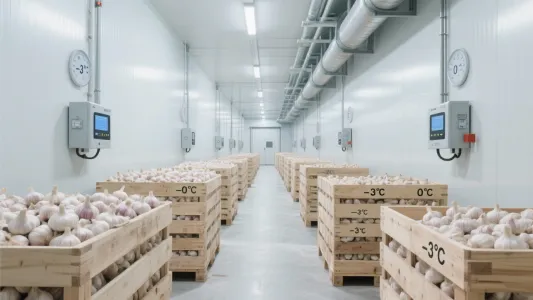
The optimal temperature range for garlic storage is precisely maintained between -3°C and 0°C, which can extend shelf life to 8-10 months while preserving key flavor compounds like allicin, which decreases by up to 40% when stored improperly.
Post-harvest handling begins immediately after garlic is lifted from the soil. Within 2 hours of harvest, professional processors like 亿商桥 implement forced-air pre-cooling, rapidly reducing the garlic's core temperature from ambient (typically 25-30°C) to 4-6°C. This process, which takes 6-8 hours, halts enzymatic activity and respiration rates by up to 70%.
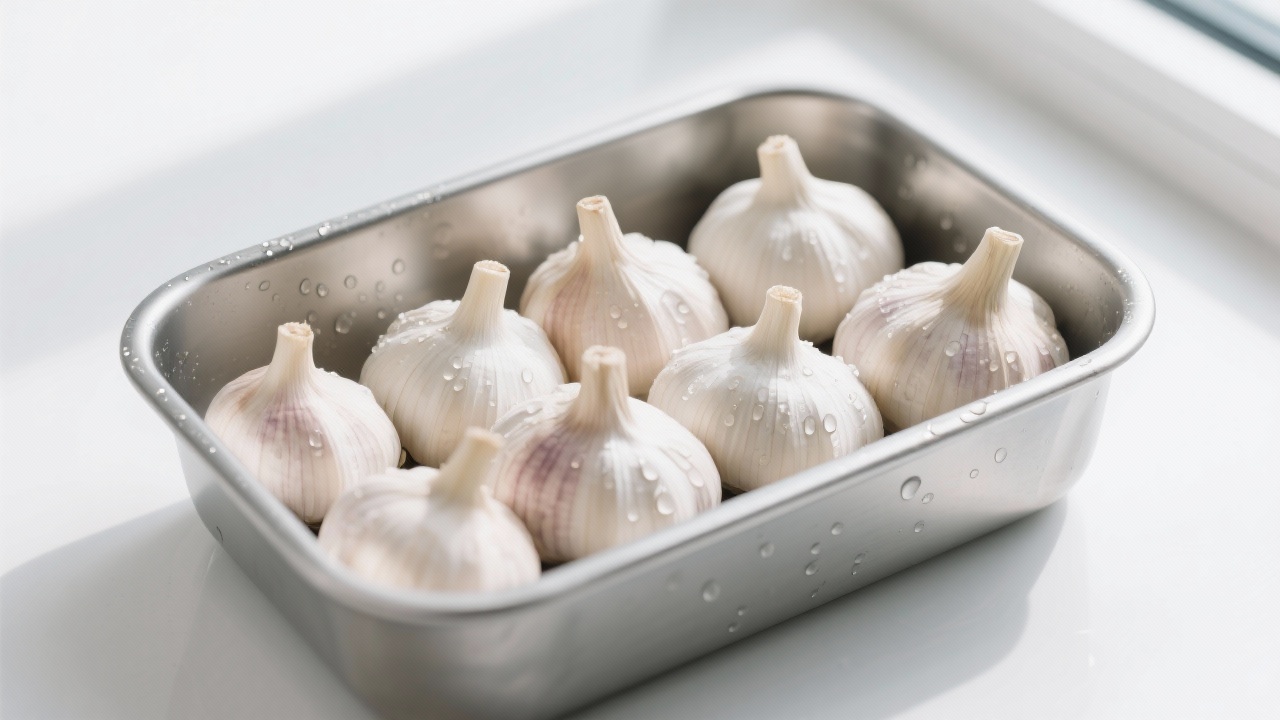
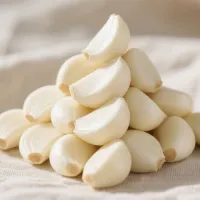
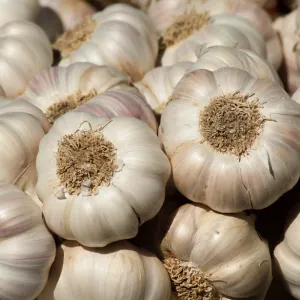
After pre-cooling, garlic undergoes meticulous sorting and grading. Modern facilities use optical sorting technology to categorize bulbs based on diameter (typically 45-70mm for export grade), weight, and absence of defects. This ensures consistency that meets international market standards.
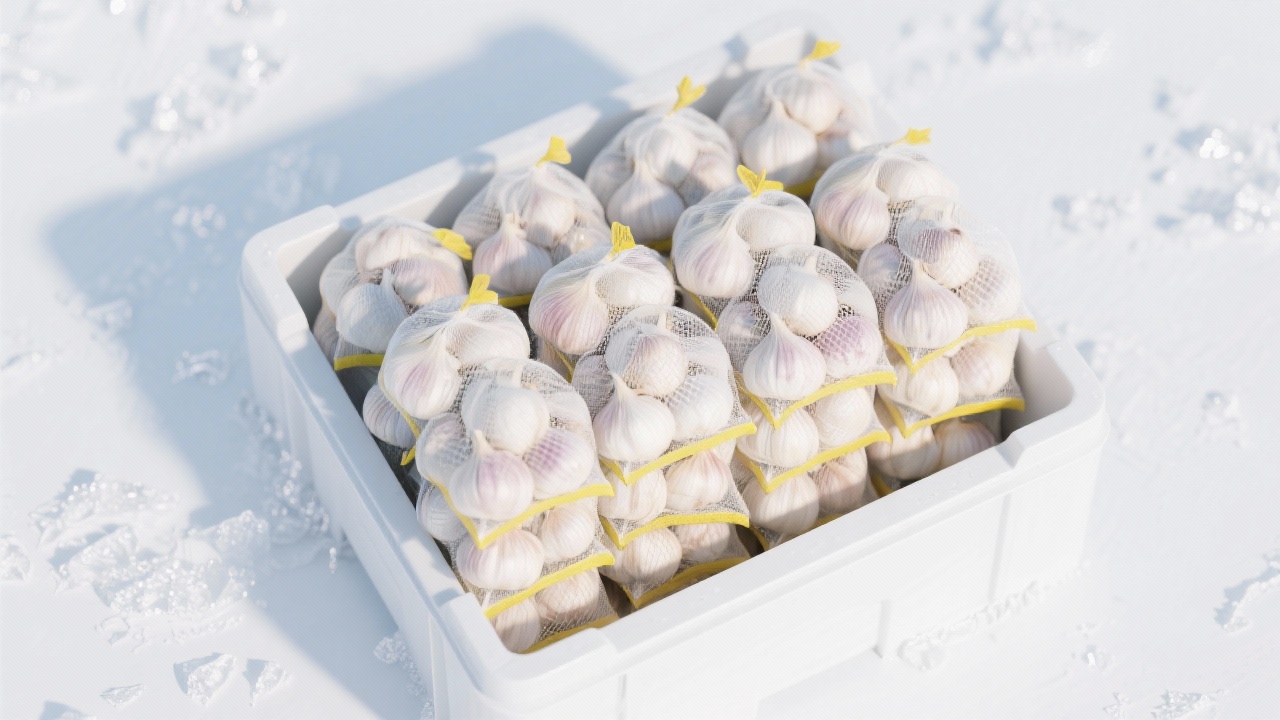
The 10kg mesh bag packaging, specifically designed for garlic cold chain, balances breathability with protection. These bags allow for proper air circulation while preventing physical damage during transportation. Each package includes humidity control sachets to maintain optimal moisture levels (65-70% relative humidity), preventing both mold growth and excessive drying.
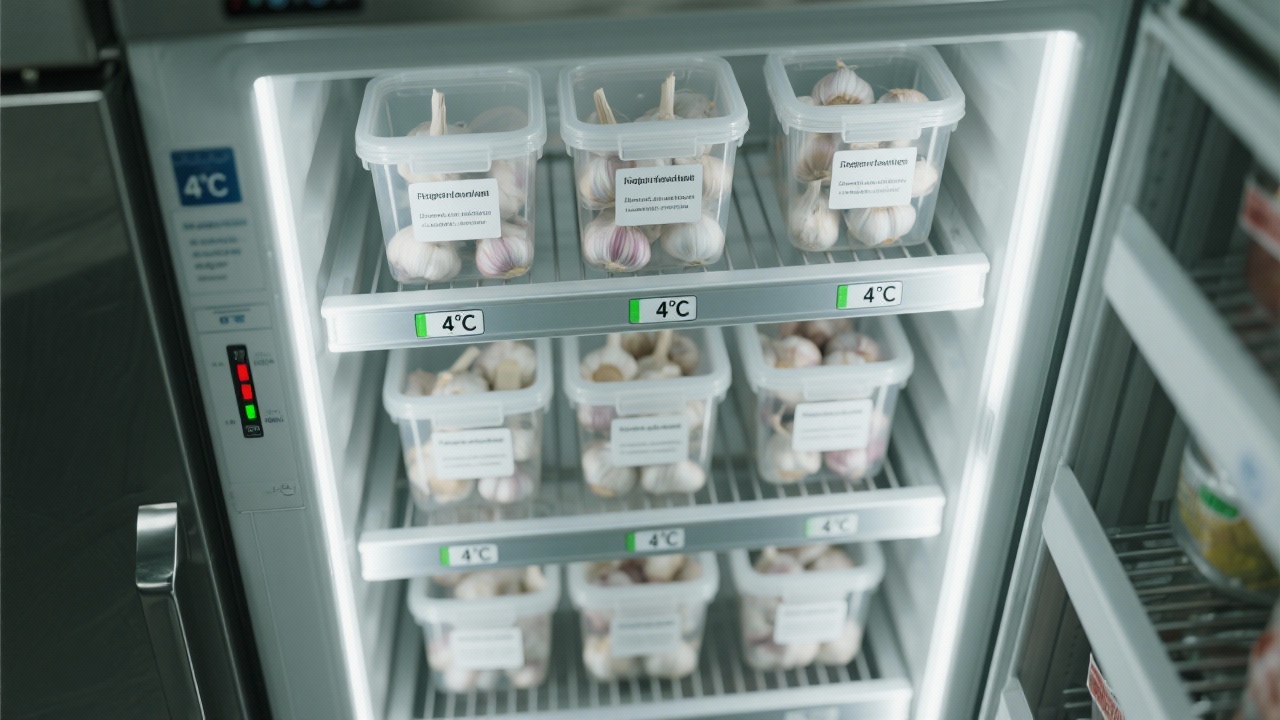
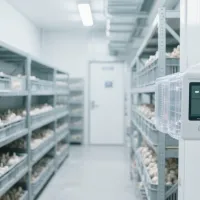
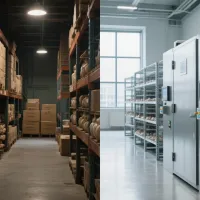
State-of-the-art cold storage facilities represent the pinnacle of garlic preservation technology. These facilities maintain precise temperature control with fluctuations no greater than ±0.5°C, monitored 24/7 by computerized systems with backup generators to prevent temperature excursions.
Professional cold chain management adheres to stringent international standards, including ISO 22000 for food safety management and HACCP principles. Regular quality checks throughout the cold chain ensure compliance with importing countries' regulations, such as EU standards (EC 178/2002) and US FDA requirements.
These standards cover everything from traceability systems that track each batch from farm to destination, to regular microbiological testing that ensures garlic meets safety thresholds for pathogens like Salmonella and E. coli.
For importers and distributors, investing in proper cold chain management directly impacts bottom-line results. Studies by the Global Cold Chain Alliance show that inadequate temperature control results in average losses of 15-25% for garlic shipments. In contrast, professional cold chain management reduces losses to less than 3% while maintaining premium quality that commands 10-15% higher market prices.
In an industry where quality and consistency are non-negotiable, selecting a supplier with advanced cold chain capabilities becomes a strategic business decision. 亿商桥 has established itself as a leader in garlic cold chain management through years of experience and continuous investment in technology.
By maintaining complete control over the cold chain process—from pre-cooling immediately after harvest to temperature-controlled transportation—we ensure that our garlic reaches customers with the same freshness and flavor as the day it was harvested.
Discover how professional cold chain management can enhance your product offering and customer satisfaction.
Explore 亿商桥's Garlic Cold Chain SolutionsIn the competitive global garlic market, the difference between good and exceptional often lies in the details of cold chain management. As buyers increasingly prioritize quality and safety, partnering with suppliers who understand and implement these critical processes becomes not just a preference, but a business necessity.
 95
|
95
|
 white garlic benefits
allicin immunity
functional food ingredients
garlic export
Yishangqiao garlic
white garlic benefits
allicin immunity
functional food ingredients
garlic export
Yishangqiao garlic
 319
|
garlic postharvest management
garlic grading standards
cold storage for garlic
ventilation packaging
garlic quality improvement
319
|
garlic postharvest management
garlic grading standards
cold storage for garlic
ventilation packaging
garlic quality improvement
 154
|
High - quality white garlic selection
Fresh garlic identification
Garlic storage methods
Grade A garlic standards
High - quality garlic procurement
154
|
High - quality white garlic selection
Fresh garlic identification
Garlic storage methods
Grade A garlic standards
High - quality garlic procurement
 398
|
red garlic pickling
restaurant pickling techniques
sauce flavor complexity
long-lasting sauce flavor
garlic marinade optimization
485
|
garlic varieties comparison
garlic flavor differences
allicin content
garlic cooking guide
亿商桥
398
|
red garlic pickling
restaurant pickling techniques
sauce flavor complexity
long-lasting sauce flavor
garlic marinade optimization
485
|
garlic varieties comparison
garlic flavor differences
allicin content
garlic cooking guide
亿商桥


.png?x-oss-process=image/resize,h_600,m_lfit/format,webp)






.png?x-oss-process=image/resize,h_200,m_lfit/format,webp)





 TikTok
 Facebook