
_(2).jpg?x-oss-process=image/resize,h_400,m_lfit/format,webp)
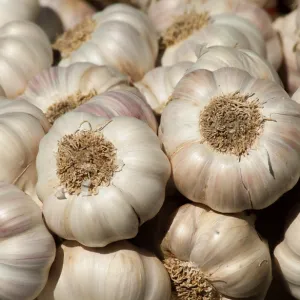
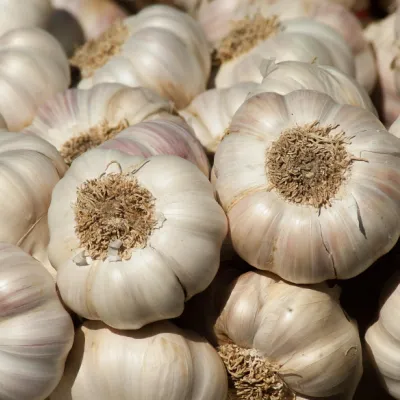
The European restaurant and food manufacturing sectors demand consistently high-quality ingredients, with garlic ranking as a crucial staple. Selecting Grade A premium white garlic not only ensures superior flavor but also contributes to brand reputation and customer satisfaction. This guide outlines key criteria and strategies for purchasing top-tier garlic, offering practical insights into market segmentation, quality assessment, packaging, pricing, and promotional methods to elevate your sourcing and sales operations effectively.
Europe's white garlic market is characterized by diverse supply chains and evolving consumer preferences, especially within the hospitality industry which accounts for approximately 40% of overall garlic consumption. The market shows a growing trend towards sustainably farmed and organically certified garlic, with premium suppliers commanding up to a 15% price premium based on quality certifications and freshness.
Market segmentation can be broadly categorized into:
| Segment | Key Buyers | Usage |
|---|---|---|
| Fine Dining & Gourmet Restaurants | Executive chefs, sourcing managers | Premium ingredient inclusion, fresh use |
| Catering & Food Manufacturers | Procurement officers, industrial buyers | Bulk purchase for processed foods |
| Retail Chains & Specialty Stores | Category managers, supply chain teams | Packaged garlic for end consumers |
Guaranteeing garlic of Grade A quality requires careful inspection against multiple attributes aligned with European food safety and quality frameworks such as GlobalG.A.P. and ISO 22000. The critical considerations include:
Investment in quality assurance can yield tangible ROI, as studies indicate that chefs and procurement professionals prioritize ingredient integrity, often extending contract periods by 20% for suppliers demonstrating consistent Grade A quality.
_(2).jpg)
Maintaining Grade A freshness extends beyond the bulb — strategic packaging and storage solutions are paramount to preserve garlic’s quality during transit and storage. Key innovations include:
For example, a major supplier to European catering firms reported a 25% decrease in returns due to spoilage after upgrading to MAP combined with temperature-controlled shipping.
Pricing Grade A white garlic requires mirroring quality with fair value while considering European market conditions. Many buyers exhibit a willingness to pay a 10-15% premium for verified quality and reliable supply chains. Implementing strategic pricing tactics and targeted promotions can yield competitive advantages:
| Strategy | Details | Expected Impact |
|---|---|---|
| Volume Discounts | Tiered pricing for bulk orders exceeding 500 kg | Increase order sizes by 18% |
| Seasonal Campaigns | Festive promotions aligned with European culinary holidays | Boost short-term sales by up to 12% |
| Loyalty Programs | Exclusive offers, early access for repeat buyers | Improve retention rates by 20% |
Successful brand building revolves around credible messaging and multichannel exposure. For garlic suppliers targeting Europe’s foodservice, a mix of digital and traditional marketing approaches is highly effective:
Making your brand synonymous with quality and supply stability rapidly accelerates buyer trust — a critical asset in the European restaurant sector.
.png?x-oss-process=image/resize,h_600,m_lfit/format,webp)



.png?x-oss-process=image/resize,h_200,m_lfit/format,webp)





 TikTok
 Facebook