
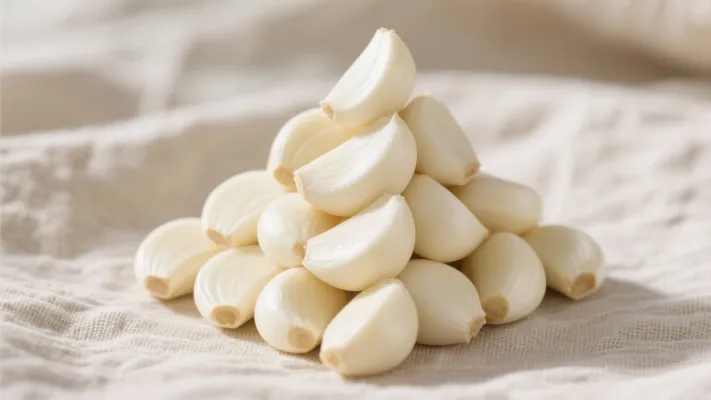
When it comes to cross - border garlic transportation in the European market, traditional packaging methods are causing significant losses. Real - world data shows that after a long - distance sea shipment, about 30% of the garlic suffers from mildew. This high rate of mildew not only leads to direct economic losses but also affects the reputation and supply chain efficiency of businesses. For example, a large - scale garlic importer in France once reported that due to the use of traditional non - breathable packaging, they had to discard nearly a third of their garlic consignment after it arrived.
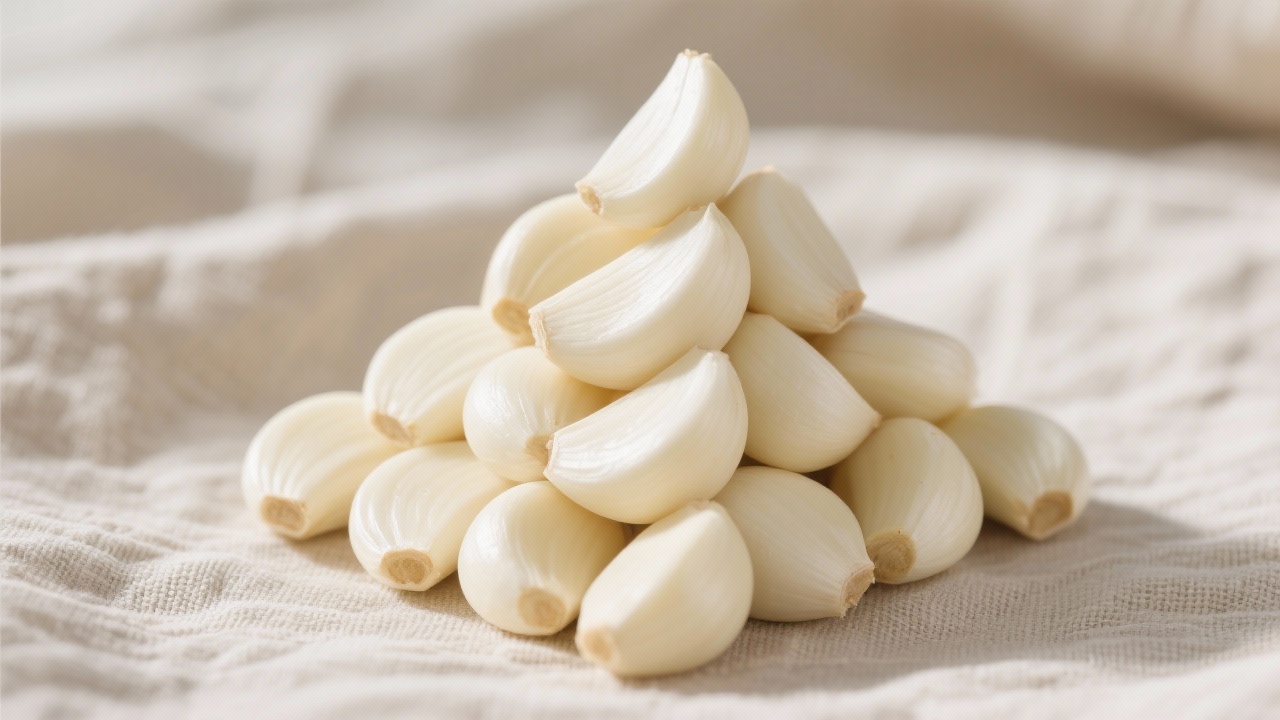
The key to the 10kg mesh bag design lies in its ventilation holes. These holes play a crucial role in humidity control. Through a series of tests, we found that the humidity difference between traditional non - breathable bags and 10kg mesh bags can reach up to 15%. This significant difference in humidity has a direct impact on the mildew rate. In fact, with the use of 10kg mesh bags, the mildew rate can be reduced by 70%. The ventilation holes allow moisture to escape, preventing the build - up of a humid environment that promotes mold growth. A side - by - side comparison test showed that garlic stored in mesh bags remained fresh and mold - free, while those in traditional bags were severely affected by mildew.
The standardized size of the 10kg mesh bags brings remarkable space - optimization benefits. These bags are designed to fit perfectly on pallets and inside containers. By using these standardized bags, the loading rate in containers can be increased by up to 20%. For instance, in a standard 20 - foot container, the number of garlic bags that can be loaded using the new mesh bags is significantly higher than with traditional packaging. Moreover, the standardized size also improves the safety during handling. The bags are easier to stack and move, reducing the risk of damage during loading and unloading. This not only saves time but also reduces labor costs.
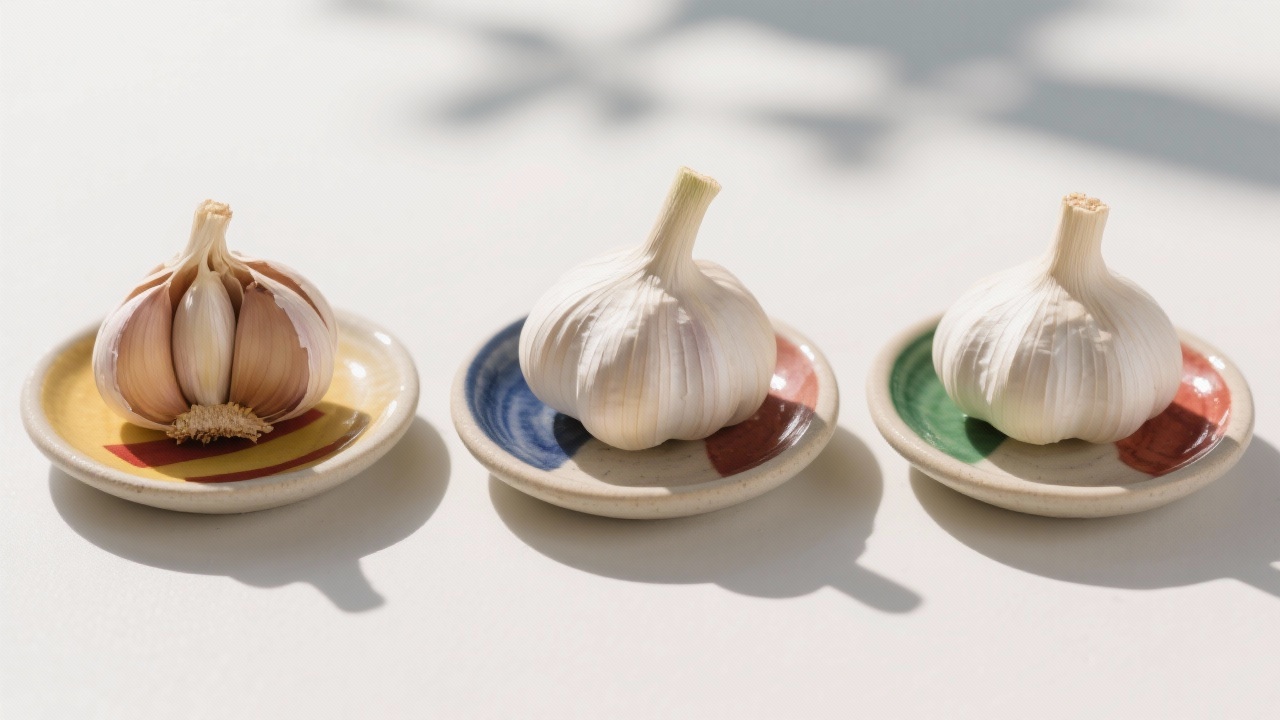
From the moment of packing to the final delivery, temperature and shock control are essential. During the packing process, it is important to ensure that the bags are properly stacked. For example, a pyramid - like stacking method can be used to improve stability and reduce the risk of bags collapsing. When it comes to transportation, whether by sea or land, maintaining a stable temperature is crucial. The ideal temperature range for garlic transportation is between 0 - 4 degrees Celsius. During sea transportation, the use of refrigerated containers can effectively control the temperature. On land, insulated trucks with temperature - control systems should be used. Additionally, shock - proof materials can be placed between the bags to further protect the garlic from damage.
Using 10kg mesh bags for garlic transportation not only solves the immediate problems of mildew and damage but also has long - term environmental benefits. By reducing waste, businesses can lower their carbon footprint, which is in line with the ESG (Environmental, Social, and Governance) trend. For example, less wasted garlic means less energy and resources are used in the production and transportation process. This not only helps the environment but also enhances the brand's social responsibility. More and more European consumers and businesses are favoring suppliers who adopt green and sustainable practices.
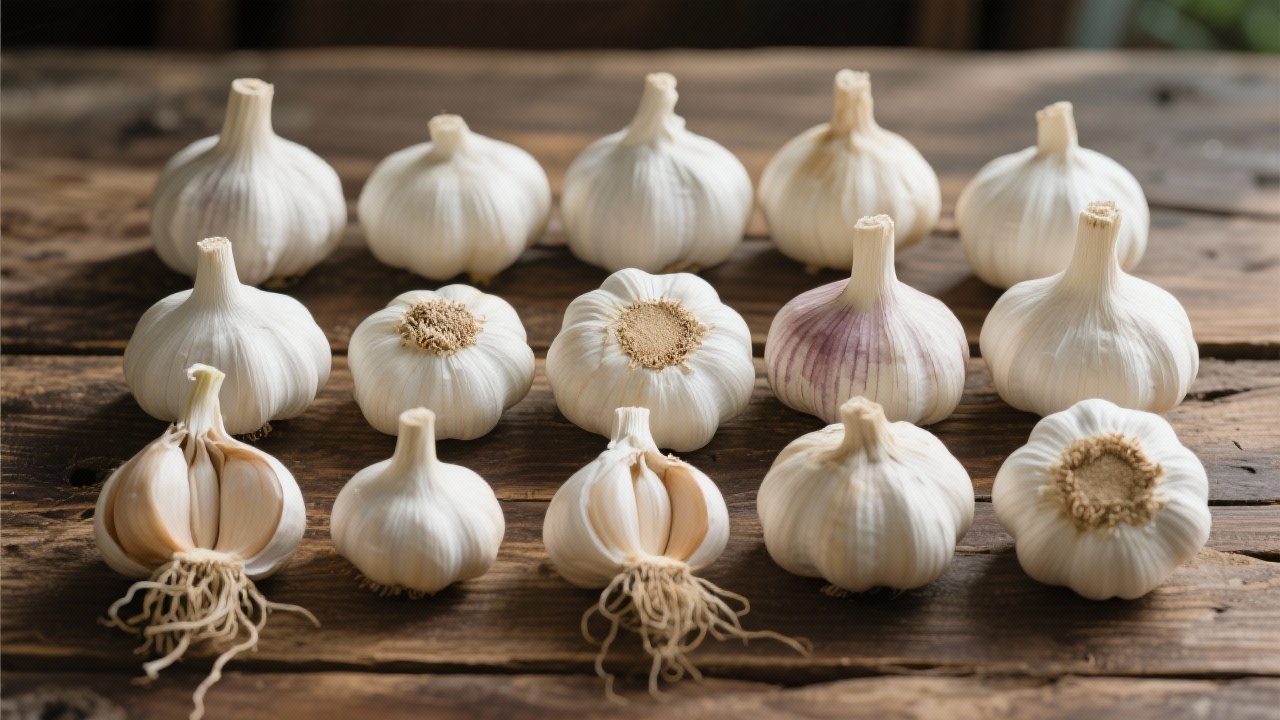
Are you looking to optimize your garlic transportation process? Click here to get the Cold Chain Packaging Operation Manual and start improving your supply chain efficiency today!

 415
|
415
|
 organic ginger application
ginger essential oil production
ginger health benefits
ginger cooking techniques
ginger pickling methods
organic ginger application
ginger essential oil production
ginger health benefits
ginger cooking techniques
ginger pickling methods
 88
|
fresh garlic selection tips
garlic storage methods
mesh bag packaging benefits
garlic mold prevention
agricultural export packaging
88
|
fresh garlic selection tips
garlic storage methods
mesh bag packaging benefits
garlic mold prevention
agricultural export packaging
 268
|
garlic保鲜技术
低温储存大蒜
欧洲农产品冷链
大蒜营养保留
网袋包装优势
268
|
garlic保鲜技术
低温储存大蒜
欧洲农产品冷链
大蒜营养保留
网袋包装优势
 316
|
Garlic selection tips
Garlic storage methods
Advantages of mesh bag packaging
Fresh garlic preservation
Agricultural product export packaging
316
|
Garlic selection tips
Garlic storage methods
Advantages of mesh bag packaging
Fresh garlic preservation
Agricultural product export packaging
 408
|
10kg garlic mesh bag packaging
cross-border garlic transport Europe
anti-vibration logistics for produce
temperature-controlled garlic shipping
sustainable packaging for agricultural goods
408
|
10kg garlic mesh bag packaging
cross-border garlic transport Europe
anti-vibration logistics for produce
temperature-controlled garlic shipping
sustainable packaging for agricultural goods
.png?x-oss-process=image/resize,h_600,m_lfit/format,webp)






.png?x-oss-process=image/resize,h_200,m_lfit/format,webp)





 TikTok
 Facebook