
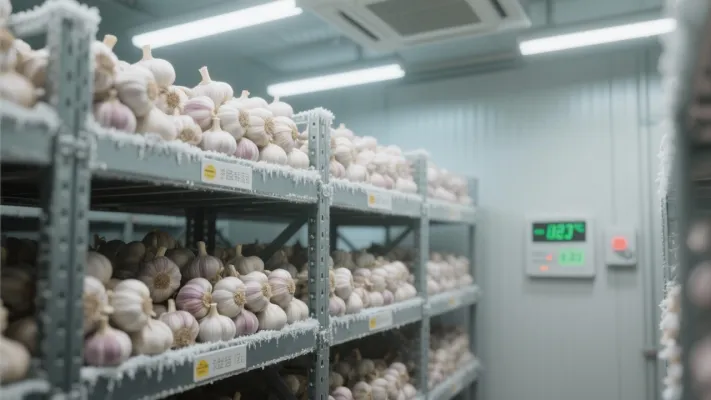
Have you ever wondered why, from the same batch of garlic, some restaurants end up with fresh and plump cloves while others are left with发芽干瘪 (sprouted and shriveled) ones? The answer lies in the crucial role of professional cold storage in maintaining garlic quality. In this article, we'll delve into how professional refrigeration safeguards garlic, backed by agricultural research data.
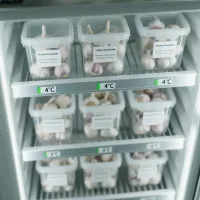
According to agricultural research, the respiration rate of garlic significantly decreases at lower temperatures. At a temperature range of -3°C to 0°C, the enzyme activity in garlic is effectively inhibited. Enzymes are responsible for various biochemical reactions in garlic, such as sprouting and spoilage. By keeping the temperature within this scientific range, the sprouting process can be delayed, and the growth of microorganisms can be prevented. For example, in a study, garlic stored at room temperature had a respiration rate of about 20 mg of CO₂ per kilogram per hour, while at -1°C, this rate dropped to less than 5 mg of CO₂ per kilogram per hour.
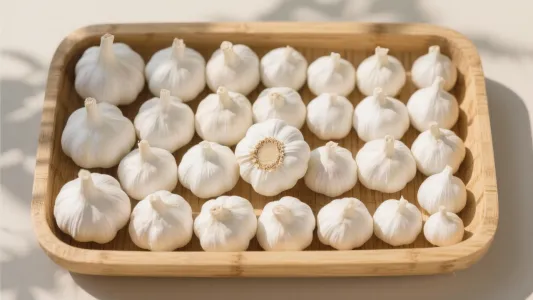
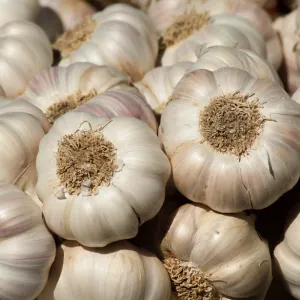
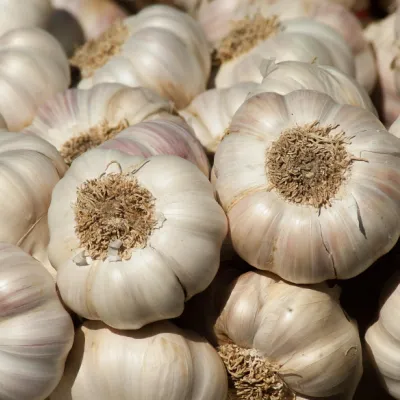
This low - temperature environment helps to lock in the color and nutrients of the garlic cloves. The bright white color and rich flavor of fresh garlic are preserved, ensuring that when it reaches the restaurant kitchen, it still meets the high - quality standards expected for culinary use.
Most restaurants may be used to the traditional way of storing garlic, such as simply piling it up in the kitchen or leaving it in a room - temperature storage area. However, these ordinary storage methods can lead to a rapid decline in garlic quality. In contrast, a professional cold chain system provides a controlled environment from the moment the garlic leaves the farm to its final destination in the restaurant.
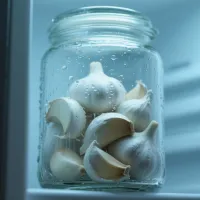
Let's compare two scenarios. In a kitchen, when garlic is stored in a regular pantry, it may start to sprout within a week, especially in a humid environment. On the other hand, when it is stored in a professional cold storage facility with the right temperature and humidity control, it can remain fresh for several months. This shows the significant difference between ordinary storage and a professional cold chain.
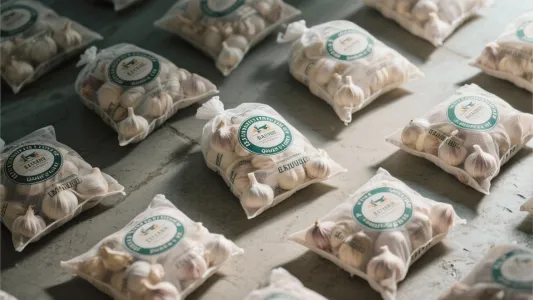
The 10 - kilogram net bag packaging used for garlic is not just a simple container; it is designed to work in tandem with the cold storage system. These net bags enhance ventilation efficiency. In a cold storage environment, proper ventilation is essential to ensure that the cold air can circulate evenly around each garlic clove.
With better ventilation, the risk of cross - contamination is reduced. Different batches of garlic can be stored separately in these net bags, preventing the spread of mold or other contaminants. Research shows that using 10 - kilogram net bags can reduce the spoilage rate of garlic in cold storage by up to 20% compared to bulk storage methods.
For food importers and restaurant managers, choosing a reliable supplier and storage solution is crucial. A good supplier should have a well - established cold chain system, from the farm to the transportation and finally to the storage facility. They should also be able to provide detailed information about the storage conditions and temperature records of the garlic.
When looking for a storage solution, consider factors such as the capacity of the cold storage facility, the reliability of the temperature control system, and the proximity to your restaurant or distribution center. By making the right choices, you can ensure a stable supply of high - quality garlic.
So, are you ready to take your garlic sourcing and storage to the next level? Let every clove of garlic be worry - free from the source. "From the cold storage to the kitchen, we engrave quality into every link." Click here to learn more about our professional garlic cold storage and supply solutions!
 450
|
450
|
 10kg mesh bag packaging
garlic export packaging
sustainable agricultural logistics
cold chain packaging solutions
cross-border food transportation
10kg mesh bag packaging
garlic export packaging
sustainable agricultural logistics
cold chain packaging solutions
cross-border food transportation
 164
|
["ginger health benefits"
"functional food ingredients"
"natural remedies for colds"
"gingerol properties"
"healthy ginger recipes"]
164
|
["ginger health benefits"
"functional food ingredients"
"natural remedies for colds"
"gingerol properties"
"healthy ginger recipes"]
 417
|
cross-border农产品包装优化
10kg网袋包装优势
冷链食品物流效率
大蒜运输损耗解决方案
绿色低碳包装应用
417
|
cross-border农产品包装优化
10kg网袋包装优势
冷链食品物流效率
大蒜运输损耗解决方案
绿色低碳包装应用
 306
|
Organic ginger cultivation techniques
Export-quality mold-free ginger
Pesticide-free organic ginger
Organic ginger quality assurance
Mold prevention in ginger farming
306
|
Organic ginger cultivation techniques
Export-quality mold-free ginger
Pesticide-free organic ginger
Organic ginger quality assurance
Mold prevention in ginger farming
 270
|
European white garlic procurement guide
Grade A+ garlic
high - quality garlic supply
garlic quality standards
refrigerated fresh - keeping garlic
270
|
European white garlic procurement guide
Grade A+ garlic
high - quality garlic supply
garlic quality standards
refrigerated fresh - keeping garlic


.png?x-oss-process=image/resize,h_600,m_lfit/format,webp)



_(2).jpg?x-oss-process=image/resize,m_fill,h_200,w_200/format,webp)





.png?x-oss-process=image/resize,h_200,m_lfit/format,webp)





 TikTok
 Facebook