
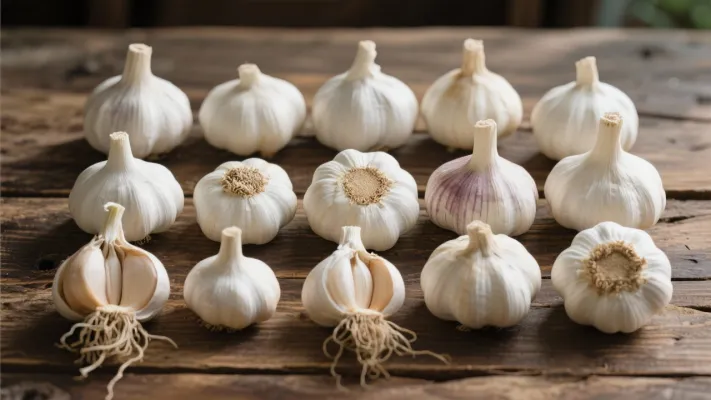
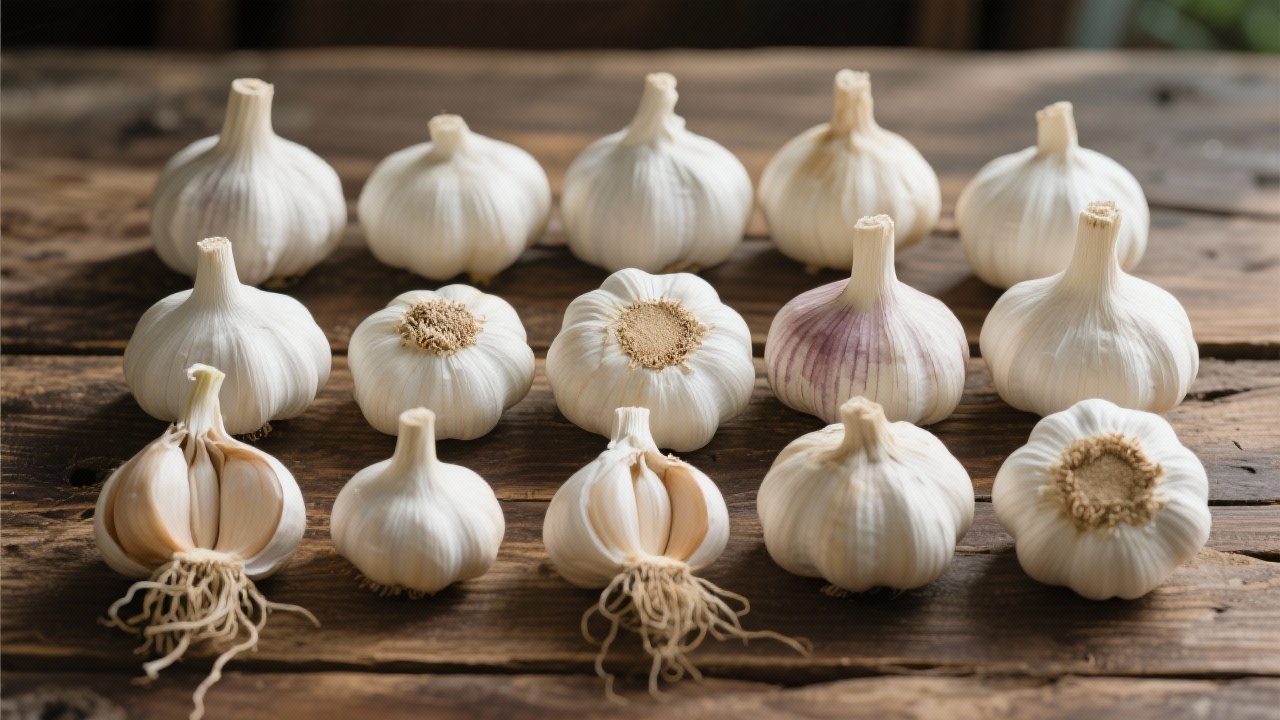
Garlic, a staple in global cuisine, comes in a variety of types, each with its own unique characteristics. Understanding these differences is crucial for overseas buyers looking to make informed purchasing decisions. There are several common types of garlic, including pure white garlic, large white garlic, red garlic, and purple garlic.
Pure white garlic is known for its mild flavor and is ideal for long - simmered dishes. Its soft texture blends well with other ingredients during the cooking process. Large white garlic, on the other hand, has a more intense flavor and is a great choice for making sauces. It can add a strong garlic kick to any sauce recipe.
Red garlic stands out for its high anthocyanin content. This antioxidant - rich garlic can be eaten raw, offering a slightly sweet and spicy taste. Purple garlic has a distinct aroma that makes it perfect for high - end culinary creations. Its unique flavor can elevate the taste of any dish.
In Chinese cuisine, garlic is widely used in stir - fries. Pure white garlic and large white garlic are commonly used. They can enhance the umami flavor of the dishes. For example, in a classic Chinese stir - fried vegetable dish, adding some chopped large white garlic at the beginning of the cooking process can bring out the best in the vegetables.
In Western cuisine, red garlic is often used in salads. Its raw consumption adds a fresh and healthy element to the salad. Purple garlic, with its unique aroma, is a favorite in high - end Western restaurants for dishes like garlic - infused olive oil used in fine dining. When it comes to condiments, all types of garlic can be used. Large white garlic is especially popular for making garlic paste, while red garlic can be used to make a more antioxidant - rich garlic sauce.
"The pure white garlic is my go - to for slow - cooked stews. It just melts in and gives a smooth garlic flavor," says a well - known Chinese chef. "And the red garlic in my salads is a hit among health - conscious customers," adds a Western chef.
Several factors can affect the quality of garlic. Storage temperature is crucial. Garlic should be stored at a cool temperature, around 0 - 4°C, to maintain its freshness and flavor. The plumpness of the cloves also matters.饱满的蒜瓣通常意味着更高的水分含量和更好的口感。此外,蒜瓣的大小和颜色均匀度也是衡量品质的重要指标。
For home kitchens, a combination of red garlic for raw consumption and large white garlic for cooking can meet most needs. For commercial bulk purchases, it depends on the type of business. A Chinese restaurant may need more pure white and large white garlic, while a high - end Western restaurant may focus more on red and purple garlic.
Here is a simple table to summarize the recommended combinations:
| Purchase Type | Recommended Garlic Combinations |
|---|---|
| Home Kitchen | Red garlic + Large white garlic |
| Chinese Restaurant | Pure white garlic + Large white garlic |
| High - end Western Restaurant | Red garlic + Purple garlic |
With our professional cold - chain management, we ensure that the garlic remains fresh and retains its nutritional value during transportation and storage. Our cold - chain system maintains a constant temperature, preventing spoilage and preserving the flavor and nutrients of the garlic.
In conclusion, by understanding the characteristics, applications, and quality factors of different garlic varieties, overseas buyers can make more informed purchasing decisions. Whether you are a home cook or a professional chef, choosing the right garlic can significantly enhance the quality of your dishes and customer satisfaction.
Discover the Best Garlic for Your Business Now!.png?x-oss-process=image/resize,h_600,m_lfit/format,webp)




.png?x-oss-process=image/resize,h_200,m_lfit/format,webp)





 TikTok
 Facebook