
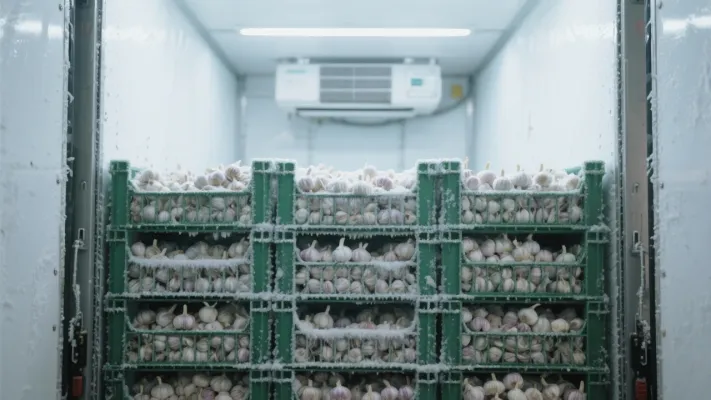
Running a Middle Eastern restaurant comes with its unique set of challenges, especially when it comes to sourcing high - quality ingredients. Among these, garlic stands out as a staple that can make or break the authenticity and flavor of your dishes. In this guide, we'll explore how to select A - grade garlic for your Middle Eastern restaurant, ensuring consistent flavor and high - quality output.
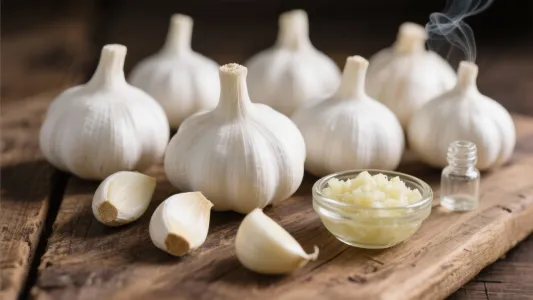
Middle Eastern cuisine is renowned for its rich, complex flavors, and garlic is a key player in achieving that. A - grade garlic, with its superior quality, provides a more intense and pure flavor compared to regular garlic. For example, when cooking traditional stews like moussaka or tagine, A - grade garlic can enhance the aroma and depth of flavor, making your dishes truly stand out.
As a seasoned chef once said, "Using A - grade garlic is like adding a secret ingredient to your dishes. It takes the flavor from good to great." This quote emphasizes the importance of high - quality garlic in creating authentic and delicious Middle Eastern meals.
Sprouted garlic has a reduced flavor and can even develop a bitter taste. When selecting garlic, look for bulbs without any signs of sprouting. A simple way to check is to gently squeeze the garlic. If it feels soft or spongy, it might be sprouting inside. A - grade garlic should feel firm and solid.
Rotten garlic not only affects the flavor but can also pose health risks. Inspect the garlic bulbs carefully for any signs of discoloration, mold, or a foul smell. You can also check the roots. If the roots are moist or have a musty odor, it's likely that the garlic is starting to rot. A - grade garlic should have dry, clean roots.
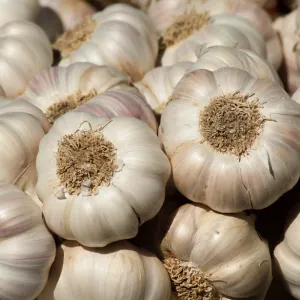
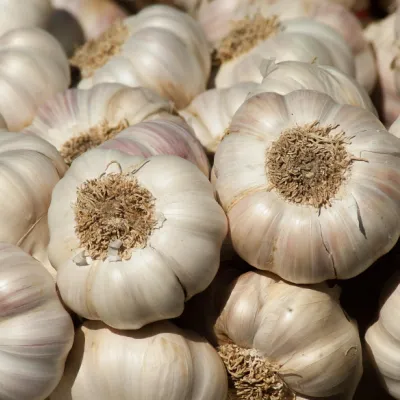
The skin of the garlic acts as a protective barrier. Garlic with intact skin is less likely to be damaged or contaminated. Look for bulbs with smooth, unbroken skin. This also helps in storing the garlic for a longer period.
Here is a simple three - step detection method in a diagram form:
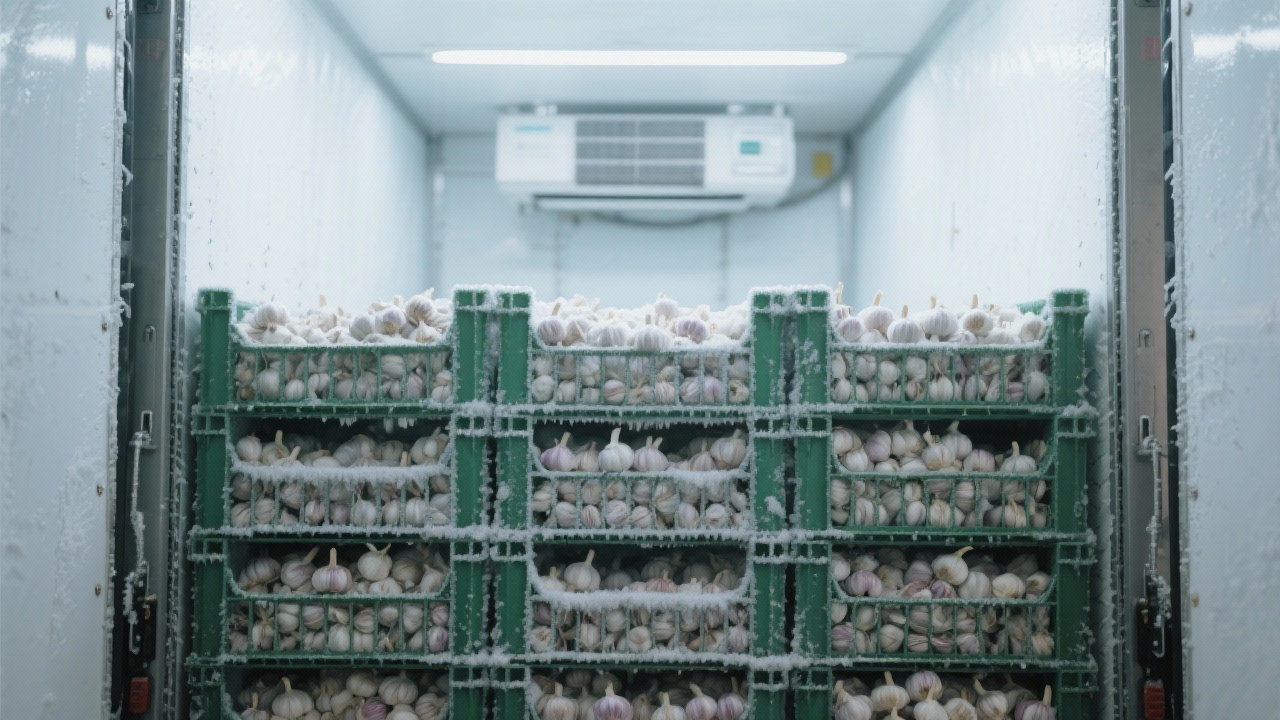
Red garlic is ideal for slow - cooking dishes. When you slow - cook red garlic in stews or curries, it releases a deep, sweet, and rich flavor that enhances the aroma and flavor profile of the dish. For example, in a slow - cooked lamb tagine, red garlic can add multiple layers of flavor, making the dish more complex and delicious.
Purple garlic, with its vibrant color and slightly milder flavor, is perfect for decoration and adding a fresh, zesty note to your dishes. You can use purple garlic slices to garnish salads, soups, or mezzes, adding both visual appeal and a hint of flavor.
To ensure consistent quality, it's essential to establish a standardized acceptance process for garlic. First, visually inspect each bulb based on the three key metrics mentioned above. Then, conduct a simple hardness test by gently pressing on the garlic. Finally, check the roots for dryness and smell for any signs of rot.
By following this process for each batch of garlic, you can maintain a high - level quality control mechanism, ensuring that every dish you serve meets the same high standard. This not only stabilizes the quality of your output but also enhances customer satisfaction and word - of - mouth.
Regular garlic may be cheaper, but it often lacks the intense flavor and consistency of A - grade garlic. When cooked, regular garlic may leave a flat or even bitter taste, while A - grade garlic provides a rich, well - rounded flavor. For example, in a garlic - based sauce, regular garlic may not emulsify as well as A - grade garlic, resulting in a less smooth and flavorful sauce.
Are you ready to elevate your Middle Eastern restaurant's dishes with A - grade garlic? Learn more about how to establish a raw material acceptance standard? Click to get the PDF guide.
 69
|
69
|
 fresh garlic storage techniques
garlic quality judgment criteria
low - temperature refrigeration preservation methods
agricultural product preservation tips
export garlic storage guide
fresh garlic storage techniques
garlic quality judgment criteria
low - temperature refrigeration preservation methods
agricultural product preservation tips
export garlic storage guide
 300
|
["export-grade ginger standards"
"organic ginger cultivation"
"pest control in organic farming"
"sustainable ginger production"
"international food safety regulations"]
300
|
["export-grade ginger standards"
"organic ginger cultivation"
"pest control in organic farming"
"sustainable ginger production"
"international food safety regulations"]
 41
|
Yishangqiao garlic
differences among different garlic varieties
garlic nutritional value
garlic cooking applications
garlic cold - chain storage
41
|
Yishangqiao garlic
differences among different garlic varieties
garlic nutritional value
garlic cooking applications
garlic cold - chain storage
 241
|
fresh garlic identification
garlic quality judgment
garlic preservation techniques
refrigerated garlic storage
agricultural product purchasing guide
241
|
fresh garlic identification
garlic quality judgment
garlic preservation techniques
refrigerated garlic storage
agricultural product purchasing guide
 173
|
fresh ginger health benefits
functional food ingredients
gingerol effects
curcumin properties
natural dietary therapy
173
|
fresh ginger health benefits
functional food ingredients
gingerol effects
curcumin properties
natural dietary therapy

.png?x-oss-process=image/resize,h_600,m_lfit/format,webp)









.png?x-oss-process=image/resize,h_200,m_lfit/format,webp)





 TikTok
 Facebook