
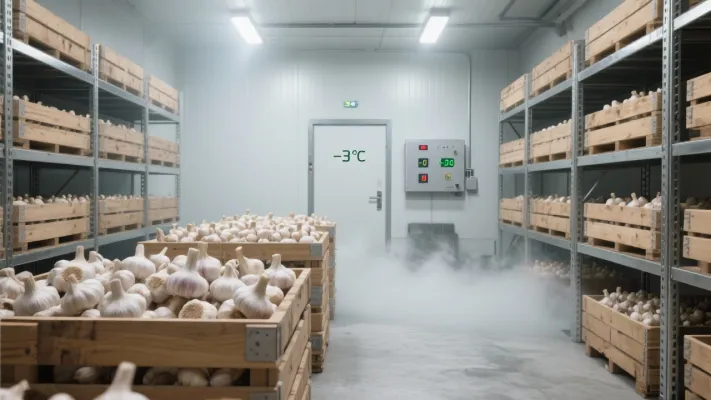
The Middle Eastern food market has a strong preference for bold flavors and natural tastes. Garlic, as an essential ingredient, plays a crucial role in achieving these flavor profiles. However, there are significant challenges in the procurement of high - quality garlic. According to industry surveys, nearly 30% of catering operators in the Middle East have encountered issues with garlic quality, such as sprouting, rot, and inconsistent flavor, which directly affect the taste of dishes and customer satisfaction.
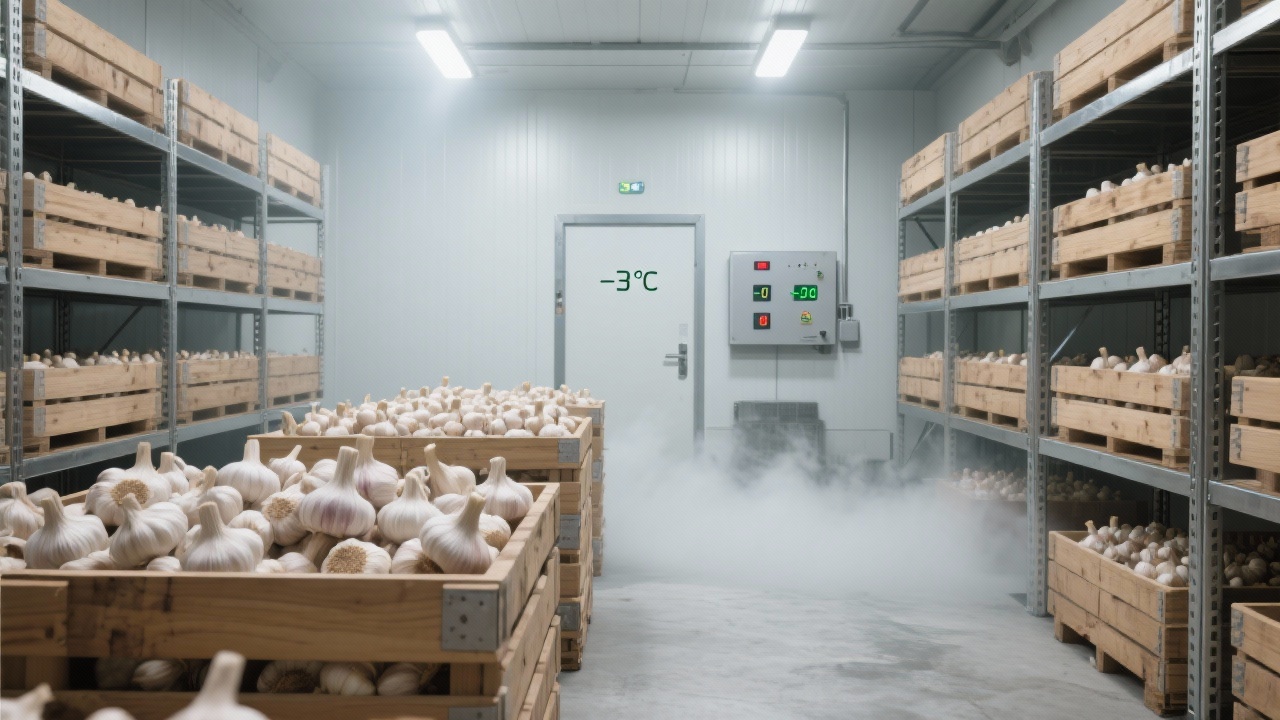
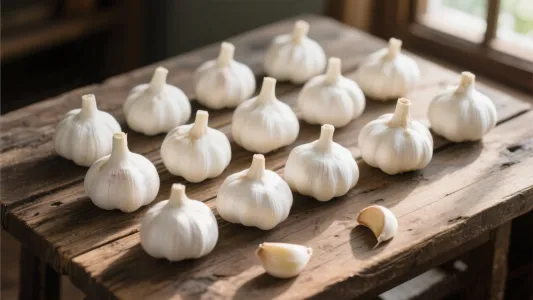
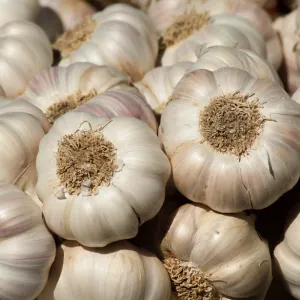
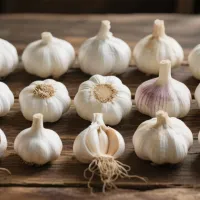
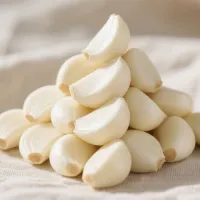
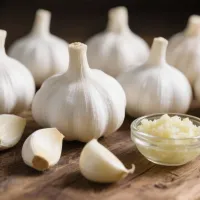
Pure white garlic has a mild and delicate flavor, making it ideal for light - flavored Middle Eastern dishes such as yogurt - based dips and mild vegetable stews. In Lebanese cuisine, pure white garlic is often used in Tzatziki, a yogurt and cucumber dip, to add a subtle garlicky note without overpowering the other ingredients.
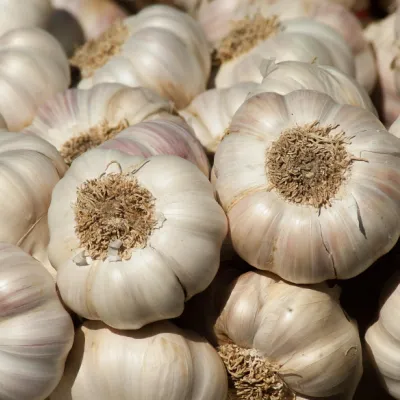
Large white garlic has a stronger flavor compared to pure white garlic. It is suitable for hearty meat dishes like kebabs and stews in Persian and Arabian cuisines. The strong flavor of large white garlic can cut through the richness of the meat and enhance the overall taste of the dish.
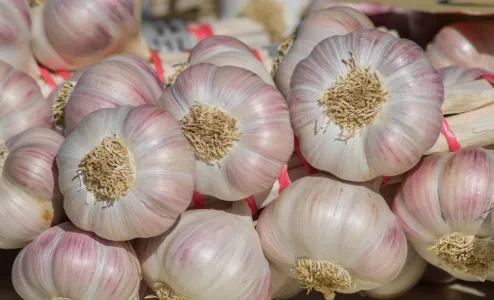
Red garlic, with its spicy and pungent flavor, is a staple in North African and Egyptian cuisines. It is commonly used in spicy sauces, such as Harissa, a fiery red pepper and garlic paste, to add a kick to dishes.
Purple garlic has a complex flavor profile, a combination of sweetness and spiciness. It is perfect for Moroccan tagines and other slow - cooked dishes. The unique flavor of purple garlic can develop and mellow during the long - cooking process, adding depth to the dish.
To ensure the quality of garlic, three key indicators should be considered: no sprouting, no rot, and intact skin. Studies have shown that garlic with sprouts or rot can lose up to 20% of its flavor and nutritional value.
For detecting sprouting, gently squeeze the garlic bulb. If there is a soft spot or a small sprout emerging, it is a sign of sprouting. To check for rot, look for discolored or mushy areas on the skin. Intact skin can be inspected by visually examining the garlic for any cracks or holes.
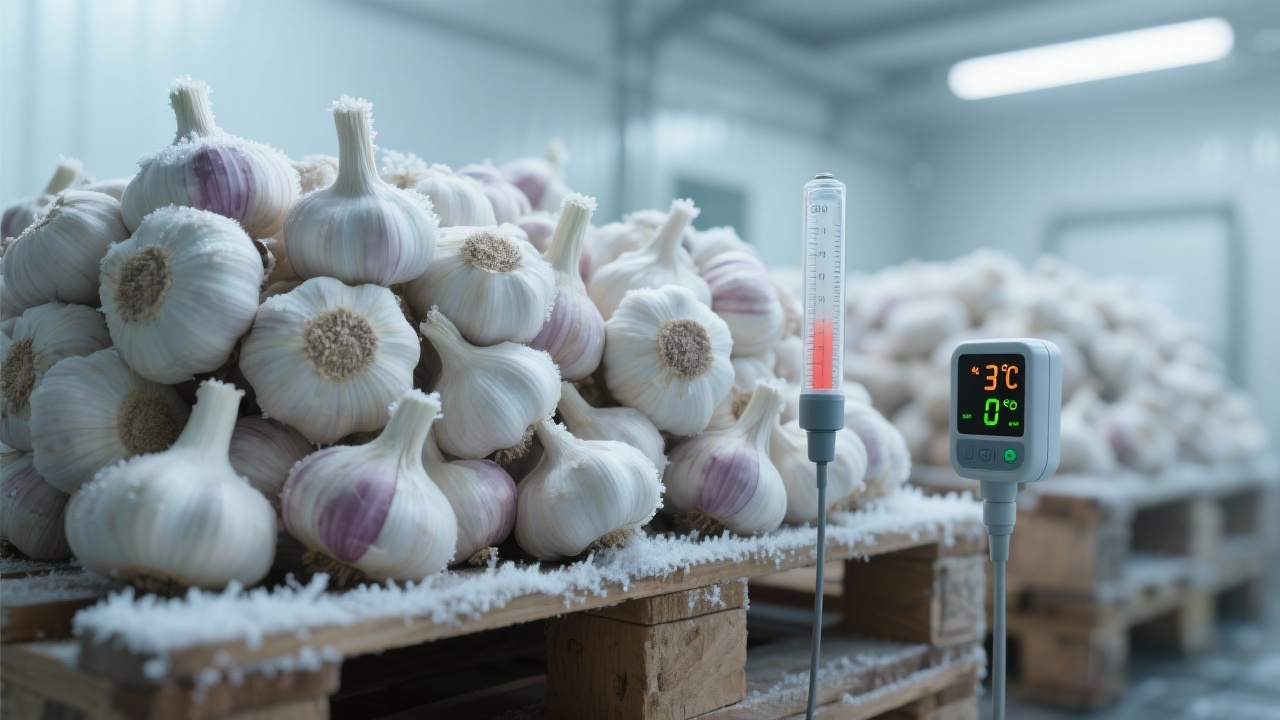
A standardized acceptance process is essential for ensuring the consistent quality of garlic in restaurants. First, establish a checklist based on the key indicators mentioned above. Train staff on the inspection methods and provide them with the necessary tools, such as magnifying glasses for detailed inspection. Second, record the inspection results for each batch of garlic. This data can be used to evaluate suppliers and improve the procurement process. Finally, communicate the quality requirements clearly to suppliers to ensure they understand the standards.
In conclusion, understanding the selection criteria and differentiated applications of A - grade garlic in the Middle Eastern market is crucial for catering operators. By following the identification criteria, using the detection methods, and building a standardized acceptance process, they can ensure the quality of garlic, improve the taste of dishes, and enhance customer satisfaction.
 422
|
422
|
 Garlic cold storage preservation
Low - temperature storage technology
Sulfide retention
Antioxidants
Agricultural product cold chain management
Garlic cold storage preservation
Low - temperature storage technology
Sulfide retention
Antioxidants
Agricultural product cold chain management
 185
|
European white garlic storage technology
premium garlic packaging solutions
garlic cold chain logistics
fresh garlic preservation methods
high-quality garlic sourcing
185
|
European white garlic storage technology
premium garlic packaging solutions
garlic cold chain logistics
fresh garlic preservation methods
high-quality garlic sourcing
 92
|
garlic cold chain preservation
sea freight temperature control
agricultural refrigeration technology
cold chain logistics management
export garlic freshness
92
|
garlic cold chain preservation
sea freight temperature control
agricultural refrigeration technology
cold chain logistics management
export garlic freshness
 99
|
ginger health benefits
functional food ingredients
natural ingredient pairing
gingerol mechanism
food value-added strategy
99
|
ginger health benefits
functional food ingredients
natural ingredient pairing
gingerol mechanism
food value-added strategy
 297
|
High - quality white garlic export
European garlic market
Garlic variety selection
Garlic preservation technology
Year - round stable supply
297
|
High - quality white garlic export
European garlic market
Garlic variety selection
Garlic preservation technology
Year - round stable supply


.png?x-oss-process=image/resize,h_600,m_lfit/format,webp)





.png?x-oss-process=image/resize,h_200,m_lfit/format,webp)





 TikTok
 Facebook