
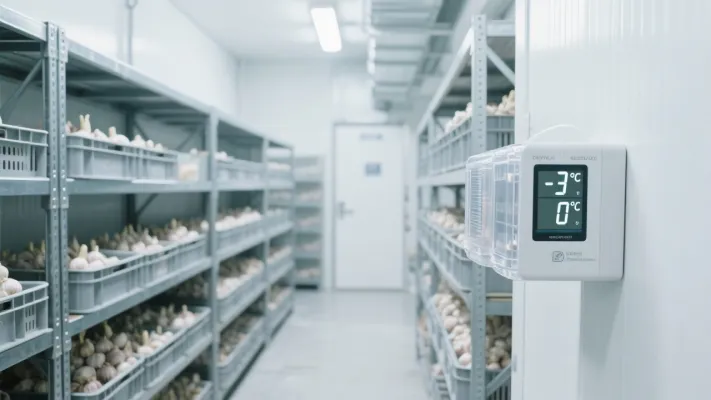
In the vibrant Middle Eastern food market, garlic is not just a common ingredient but a key element that significantly influences the flavor and quality of dishes. This article focuses on the professional application of Class A garlic in Middle Eastern cuisine, aiming to provide practical and operational knowledge for food service operators and procurement decision - makers.
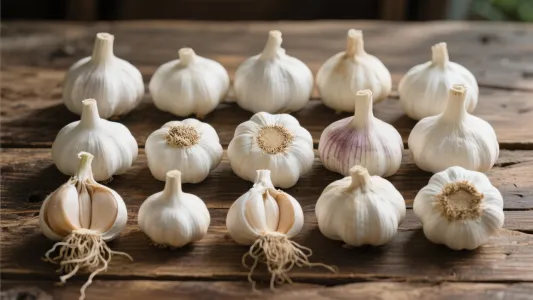
The Middle Eastern food market has a high demand for various types of garlic, including pure - white, large - white, red, and purple garlic. Each variety has its unique flavor and characteristics, making them suitable for different cooking scenarios. For example, red and purple garlic are often used for flavor enhancement and dish decoration. Red garlic, with its slightly spicy and rich flavor, can add a depth of taste to stews and curries. Purple garlic, on the other hand, not only provides a distinct flavor but also adds an aesthetic touch to salads and appetizers.
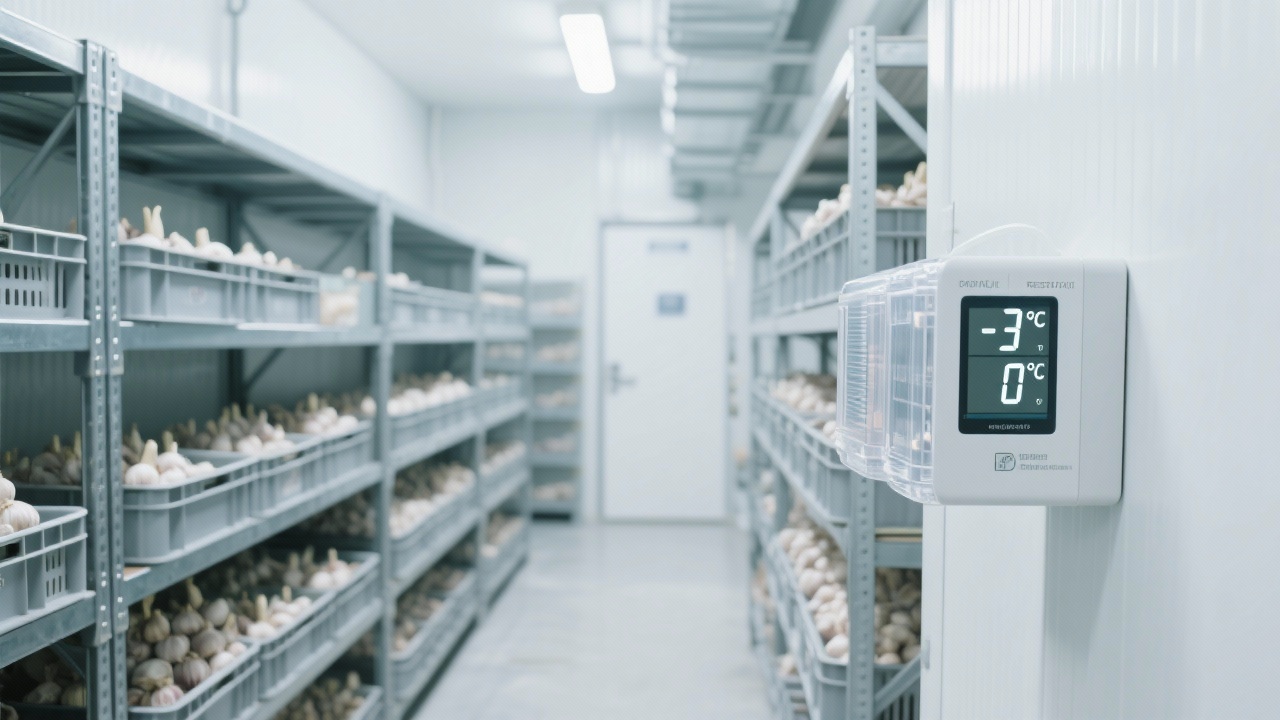
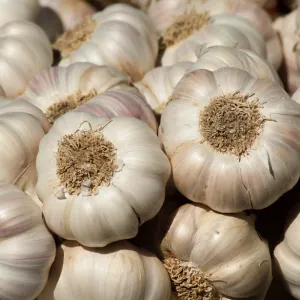
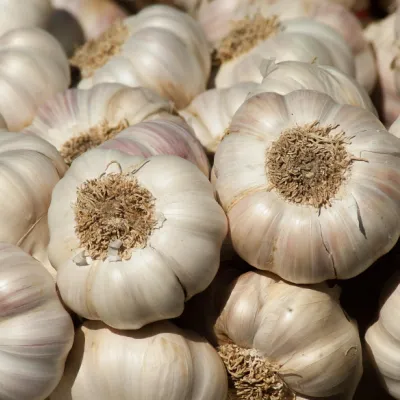
When it comes to selecting high - quality garlic, there are three key indicators. First, the garlic should be free of sprouts. Sprouted garlic has a reduced flavor and nutritional value. Second, it should be free of rot. Rot can spread quickly and affect the quality of other garlic bulbs. Third, the skin of the garlic should be intact. An intact skin helps to preserve the freshness and flavor of the garlic.
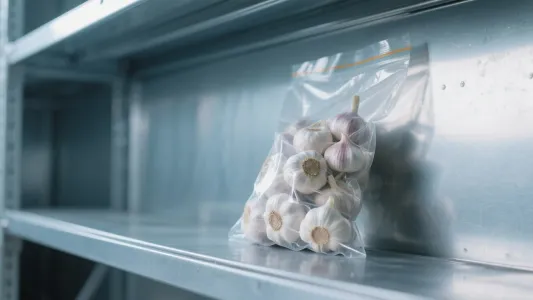
To ensure the quality of garlic, there are two practical testing methods. One is the light - pressure hardness test. By gently pressing the garlic bulb, you can feel its firmness. A firm garlic bulb indicates good quality. The other method is to check the dryness of the roots. Dry roots suggest that the garlic has been properly stored and is less likely to rot.
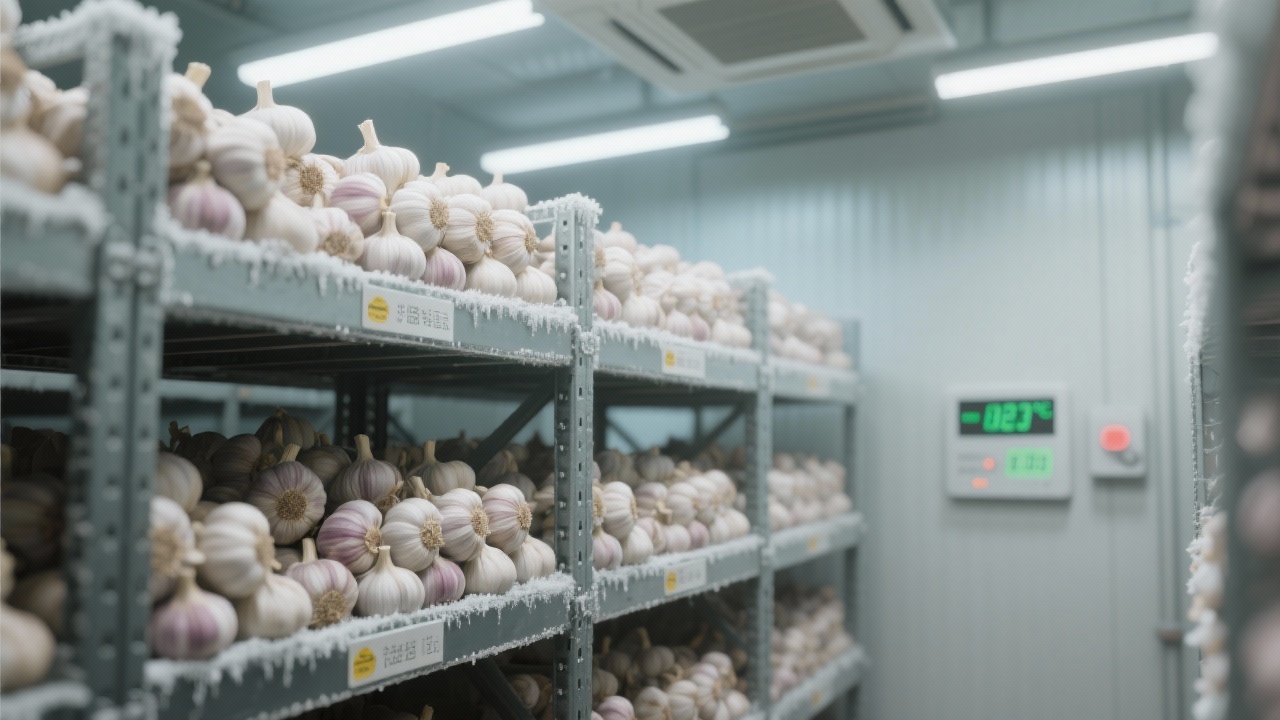
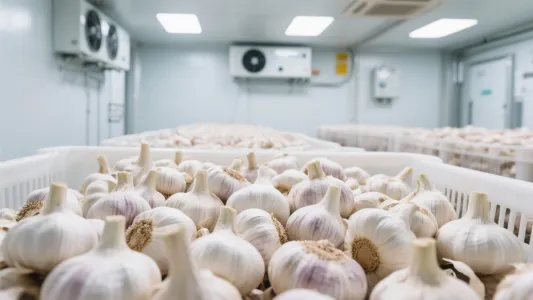
Based on industry experience, establishing a standardized acceptance process for garlic in restaurants is crucial. This process can ensure the consistency of raw materials and improve the competitiveness of export products. A well - structured acceptance process includes clear quality standards, inspection procedures, and record - keeping. By following this process, restaurants can ensure that the garlic they purchase meets the required quality level, thus enhancing the consistency of their dishes' taste.
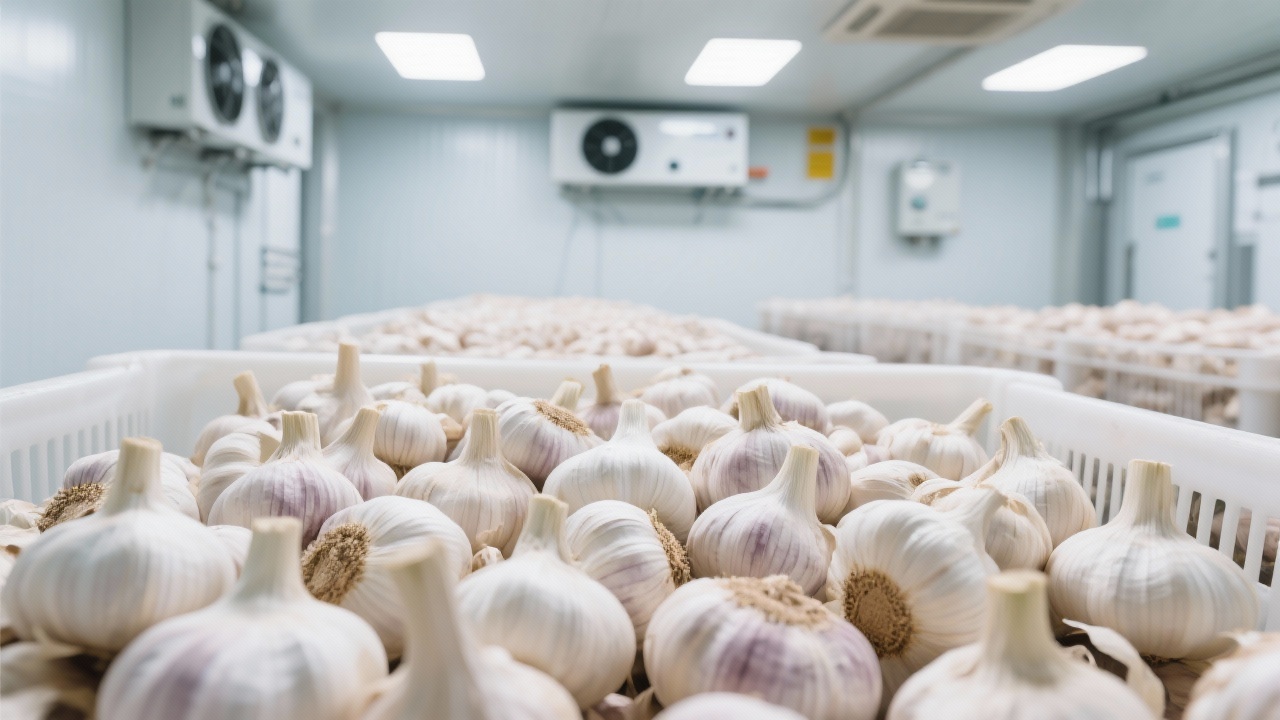
In fact, according to market research, restaurants that have established a standardized acceptance process for garlic have seen a 20% increase in customer satisfaction due to the improved consistency of their dishes. Moreover, they have also reduced food waste by approximately 15% as they are able to accurately select high - quality garlic.
In conclusion, understanding the application of garlic in Middle Eastern cuisine, knowing how to select high - quality garlic, and establishing a standardized acceptance process are essential for food service operators in the Middle East. These skills can help them improve the flavor of their dishes, enhance customer satisfaction, and increase the competitiveness of their export products.
Interested in learning more about how to establish raw material acceptance standards? Click to get the PDF guide.
 344
|
344
|
 low temperature garlic storage
garlic shelf life extension
cold chain management for garlic
breathable mesh packaging for garlic
garlic quality preservation
low temperature garlic storage
garlic shelf life extension
cold chain management for garlic
breathable mesh packaging for garlic
garlic quality preservation
 113
|
How to select white garlic
Uses of red garlic
Cooking scenarios for purple garlic
Differences between garlic varieties
Overseas garlic procurement guide
113
|
How to select white garlic
Uses of red garlic
Cooking scenarios for purple garlic
Differences between garlic varieties
Overseas garlic procurement guide
 285
|
Grade A garlic selection
Middle East garlic procurement
premium garlic identification
commercial kitchen quality standards
garlic inspection methods
285
|
Grade A garlic selection
Middle East garlic procurement
premium garlic identification
commercial kitchen quality standards
garlic inspection methods
 86
|
garlic selection tips
mesh bag packaging for garlic
garlic storage techniques
garlic export packaging
fresh garlic preservation
86
|
garlic selection tips
mesh bag packaging for garlic
garlic storage techniques
garlic export packaging
fresh garlic preservation
 139
|
European garlic supply
Garlic variety selection
Garlic preservation technology
Year - round stable supply
Garlic storage temperature
139
|
European garlic supply
Garlic variety selection
Garlic preservation technology
Year - round stable supply
Garlic storage temperature

.png?x-oss-process=image/resize,h_600,m_lfit/format,webp)





.png?x-oss-process=image/resize,h_200,m_lfit/format,webp)





 TikTok
 Facebook