
In the dynamic global market for garlic, discerning exporters and international buyers often face the critical question: what are the core differences between Big White Garlic and Pure White Garlic? Understanding these distinctions aids in tailoring product offerings to diverse culinary cultures and market expectations, thereby enhancing trade success.
Despite widespread usage, many buyers misunderstand the varietal differences of garlic, potentially leading to suboptimal purchasing decisions. The demand for Big White Garlic, characterized by larger cloves and robust flavor, contrasts markedly with that for Pure White Garlic, which boasts a subtler taste and smoother skin. Awareness of this divergence is crucial for suppliers targeting specialty markets such as gourmet restaurants, ethnic food producers, and retail chains.
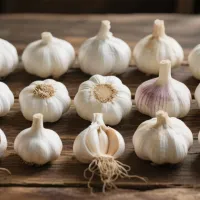
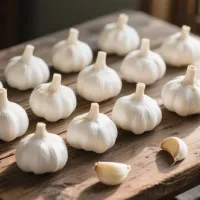
Big White Garlic typically features larger bulbs averaging 60–70 grams, with four to six cloves enveloped in thick, off-white skin. Its pronounced pungency and sharp aroma are favored in hearty, slow-cooked dishes where flavor intensity stands out.
In contrast, Pure White Garlic bulbs are smaller, weighing around 40–50 grams, with more numerous but finer cloves wrapped in thin, snowy white layers. Its delicate taste complements Western-style dressings and sauces that call for subtlety over bite.

Each garlic variety excels in distinct cooking scenarios. Big White Garlic thrives in Chinese-style braising and dishes requiring prolonged heat exposure, where its strong aroma is preserved and intensified.
Pure White Garlic is preferred in Western-style sauces and dressings, as well as light sautés, where a gentle garlic flavor enhances the dish without overwhelming it.
Household users seeking versatile all-purpose garlic often employ a balanced combination of both types, optimizing flavor layers and aroma nuances.

Scientific assessment confirms these sensory distinctions. Measurements of anthocyanin content, a pigment linked to antioxidant capacity, differ between varieties, influencing shelf life and nutritional value.
Furthermore, the rate of allicin volatilization affects aroma persistence during cooking—a critical factor for quality grading.
Professional grading systems for fresh garlic factor in key parameters like bulb weight (head heaviness), skin uniformity, and clove fullness—each influencing export pricing and buyer confidence.
“Heavier head with even, unblemished skin and fully formed cloves” commands premium positioning, as exporters can guarantee consistent performance and shelf appeal.

Culinary professionals and traders can optimize inventory and usage by adopting selection strategies that pair garlic type with specific culinary applications. For instance, prioritizing Big White Garlic stock for steaming and braising while reserving Pure White Garlic for raw or lightly cooked preparations.
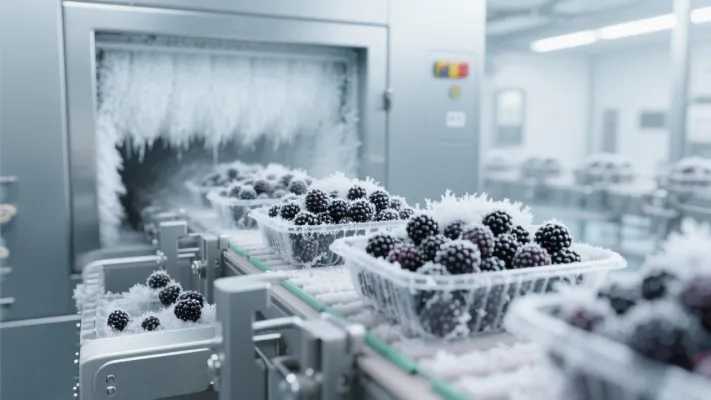
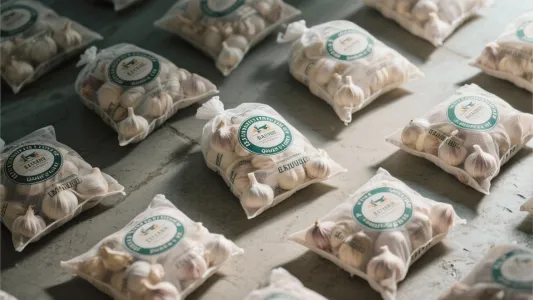
Proper storage is equally critical. Maintaining temperature between 0-5°C and relative humidity of 60-70% extends freshness and reduces sprouting, safeguarding export quality during transit.
 189
|
189
|
 garlic export packaging
cold chain logistics optimization
food supply chain efficiency
net bag design
cargo damage reduction
garlic export packaging
cold chain logistics optimization
food supply chain efficiency
net bag design
cargo damage reduction
 120
|
Fresh ginger
Health benefits of gingerol
Functional food
Natural therapy
Pesticide - free ginger supply
120
|
Fresh ginger
Health benefits of gingerol
Functional food
Natural therapy
Pesticide - free ginger supply
.jpg?x-oss-process=image/resize,h_300,m_lfit/format,webp) 229
|
mesh bag packaging
fresh garlic preservation
cold chain logistics
garlic quality management
modern cultivation technology
229
|
mesh bag packaging
fresh garlic preservation
cold chain logistics
garlic quality management
modern cultivation technology
 358
|
Garlic storage temperature
European garlic export
Garlic packaging technology
High - quality garlic varieties
Cold - chain preservation techniques
358
|
Garlic storage temperature
European garlic export
Garlic packaging technology
High - quality garlic varieties
Cold - chain preservation techniques
 201
|
garlic cold chain temperature
agricultural cold storage technology
international cold chain standards
HACCP cold chain guidelines
fresh produce cold chain management
201
|
garlic cold chain temperature
agricultural cold storage technology
international cold chain standards
HACCP cold chain guidelines
fresh produce cold chain management

.png?x-oss-process=image/resize,h_600,m_lfit/format,webp)




_(2).jpg?x-oss-process=image/resize,m_fill,h_200,w_200/format,webp)



.png?x-oss-process=image/resize,h_200,m_lfit/format,webp)





 TikTok
 Facebook