
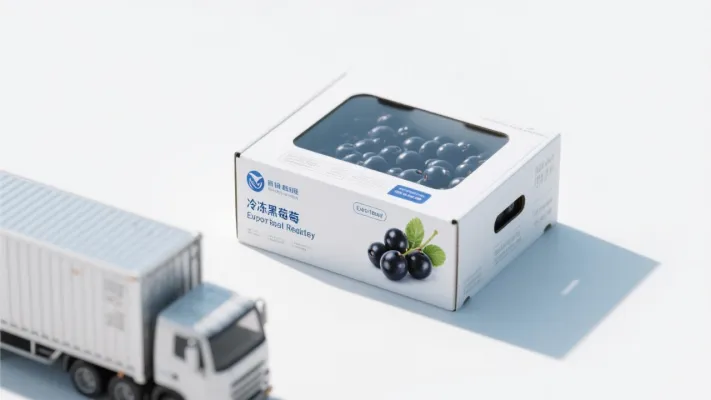
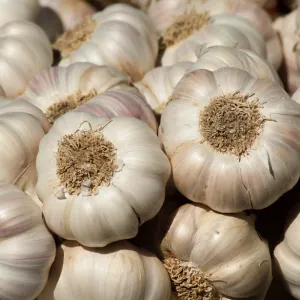
You’re not alone if you’ve ever opened a crate of garlic and found yourself staring at uneven cloves, soft spots, or that telltale musty smell. Whether you're sourcing for your restaurant, food manufacturing line, or wholesale distribution, knowing how to assess garlic quality isn’t just helpful—it’s essential.
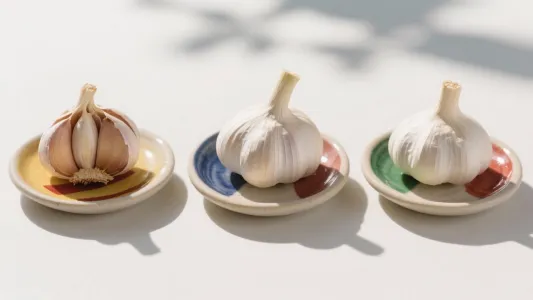
Start with what you can see and feel:
“The key to long shelf life lies in minimizing moisture loss and preventing microbial growth,” says Dr. Li Wei, Senior Food Scientist at China Agricultural University.
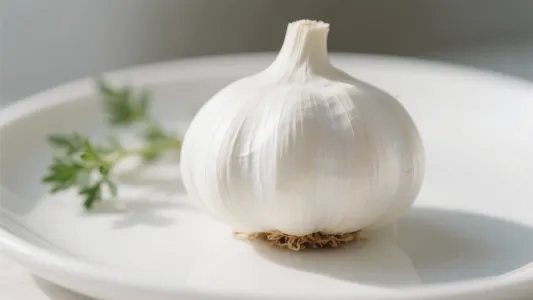
Smell is often the first clue—if it smells sour, metallic, or overly pungent, it’s likely past its prime. Gently press a clove: firmness = freshness. Soft or mushy texture? That’s a red flag.
A real-world example: One U.S.-based distributor once lost $12K worth of garlic after accepting a shipment where 30% had internal rot hidden beneath intact skins—a lesson in trusting visual cues alone.
Studies show that storing garlic at 0–4°C (32–39°F) with 65–70% humidity slows down sprouting and preserves allicin levels—the compound responsible for garlic’s health benefits—for up to 6 months. At room temperature, this drops to 3–4 weeks.
| Storage Condition | Shelf Life | Allicin Retention |
|---|---|---|
| Room Temp (20°C) | 3–4 weeks | ~50% |
| Refrigerated (4°C) | Up to 6 months | ~85% |
For commercial users: Use ventilated bins, avoid direct sunlight, and rotate stock regularly using FIFO (First In, First Out). These simple steps reduce spoilage-related losses by up to 25%—a win for both profit and sustainability.
Pro Tip: Always request lab reports from suppliers showing moisture content (<10%) and absence of pathogens like Salmonella or E. coli. Reliable partners will provide these transparently—not as a sales tactic, but as proof of quality control.
When you choose a supplier who understands quality from farm to fork, you’re not just buying garlic—you’re investing in consistency, safety, and value. Every clove should count.
Explore Our Premium Export Garlic Range
 184
|
184
|
 European white garlic storage technology
premium garlic packaging solutions
garlic cold chain logistics
fresh garlic preservation methods
high-quality garlic sourcing
European white garlic storage technology
premium garlic packaging solutions
garlic cold chain logistics
fresh garlic preservation methods
high-quality garlic sourcing
 298
|
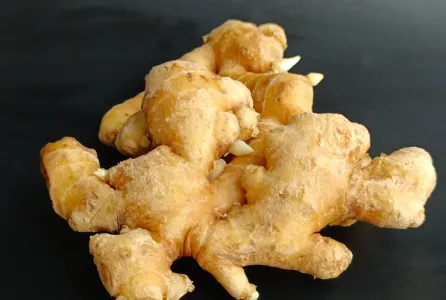
gingerols immunity
natural anti-inflammatory foods
fresh ginger health benefits
functional food ingredients
ginger supplement
298
|
gingerols immunity
natural anti-inflammatory foods
fresh ginger health benefits
functional food ingredients
ginger supplement
 60
|
white garlic quality standards
garlic grading system
garlic inspection techniques
China garlic vs imported garlic
garlic procurement best practices
60
|
white garlic quality standards
garlic grading system
garlic inspection techniques
China garlic vs imported garlic
garlic procurement best practices
 69
|
fresh garlic selection
garlic storage techniques
export garlic procurement
garlic freshness preservation
agricultural product packaging
69
|
fresh garlic selection
garlic storage techniques
export garlic procurement
garlic freshness preservation
agricultural product packaging
 387
|
Grade A white garlic quality
sprout-free garlic standard
premium garlic inspection methods
garlic storage technology
international garlic sourcing
387
|
Grade A white garlic quality
sprout-free garlic standard
premium garlic inspection methods
garlic storage technology
international garlic sourcing

.png?x-oss-process=image/resize,h_600,m_lfit/format,webp)







.png?x-oss-process=image/resize,h_200,m_lfit/format,webp)





 TikTok
 Facebook