
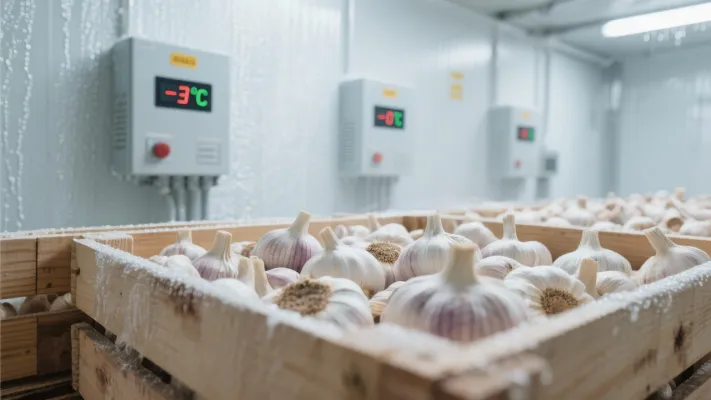
Have you ever wondered why, from the same batch of garlic, some restaurants enjoy fresh and plump cloves while others end up with sprouted and shriveled ones? In the world of the food service industry, the battle against food spoilage is a constant challenge. As a restaurant manager, you're well - aware that the quality of ingredients directly impacts the dining experience and the reputation of your establishment. But there might be some blind spots in your understanding of how to prevent food spoilage, especially when it comes to garlic.
Let's start by delving into the science behind low - temperature preservation. Garlic, like all living organisms, continues to undergo metabolic processes even after it's harvested. Enzymes and microorganisms play a significant role in these processes. At normal room temperature, the metabolic rate of garlic is relatively high. Enzymes are active, breaking down the garlic's internal structure, and microorganisms can easily multiply, leading to spoilage.
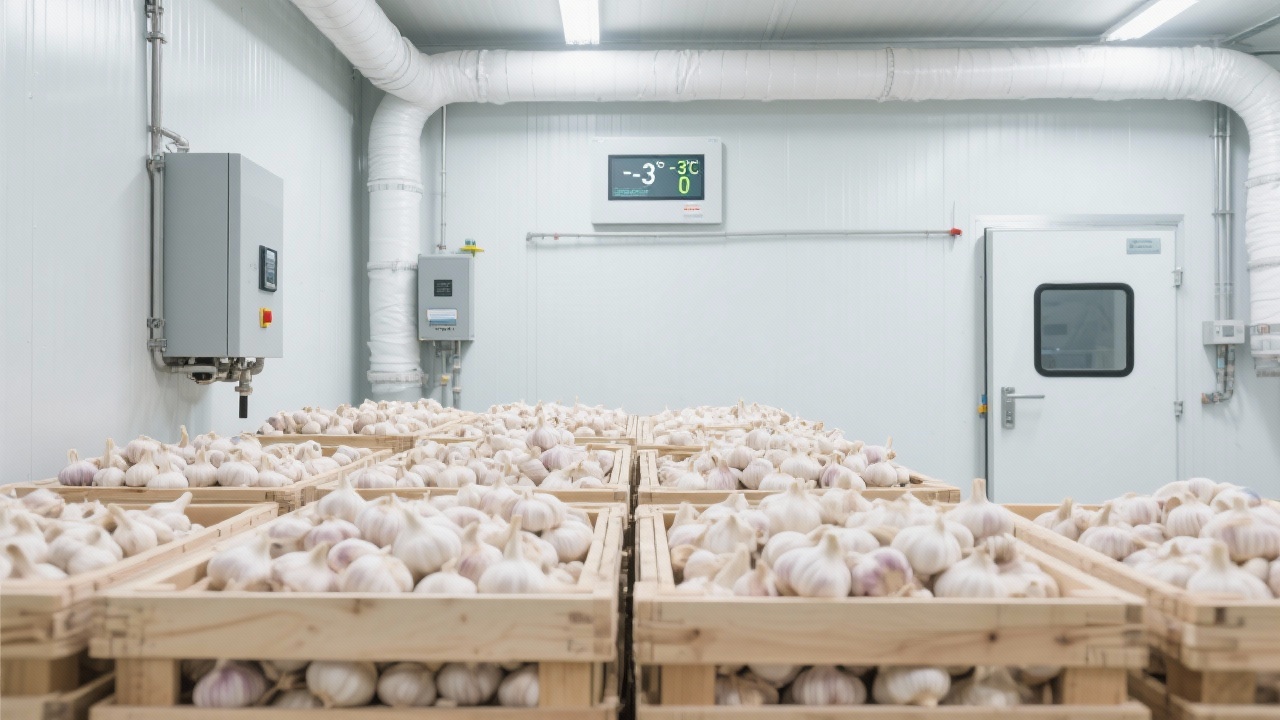
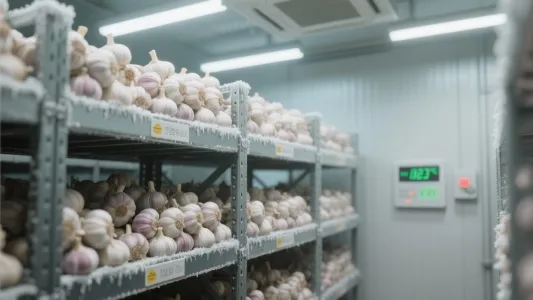
However, when garlic is stored in a low - temperature environment, specifically between - 3°C and 0°C, the story changes. According to agricultural research data, this temperature range is the optimal storage temperature for garlic. At these temperatures, the activity of enzymes is significantly inhibited, and the growth of microorganisms is slowed down. As a result, the garlic can retain its color, texture, and nutritional value for a much longer time.
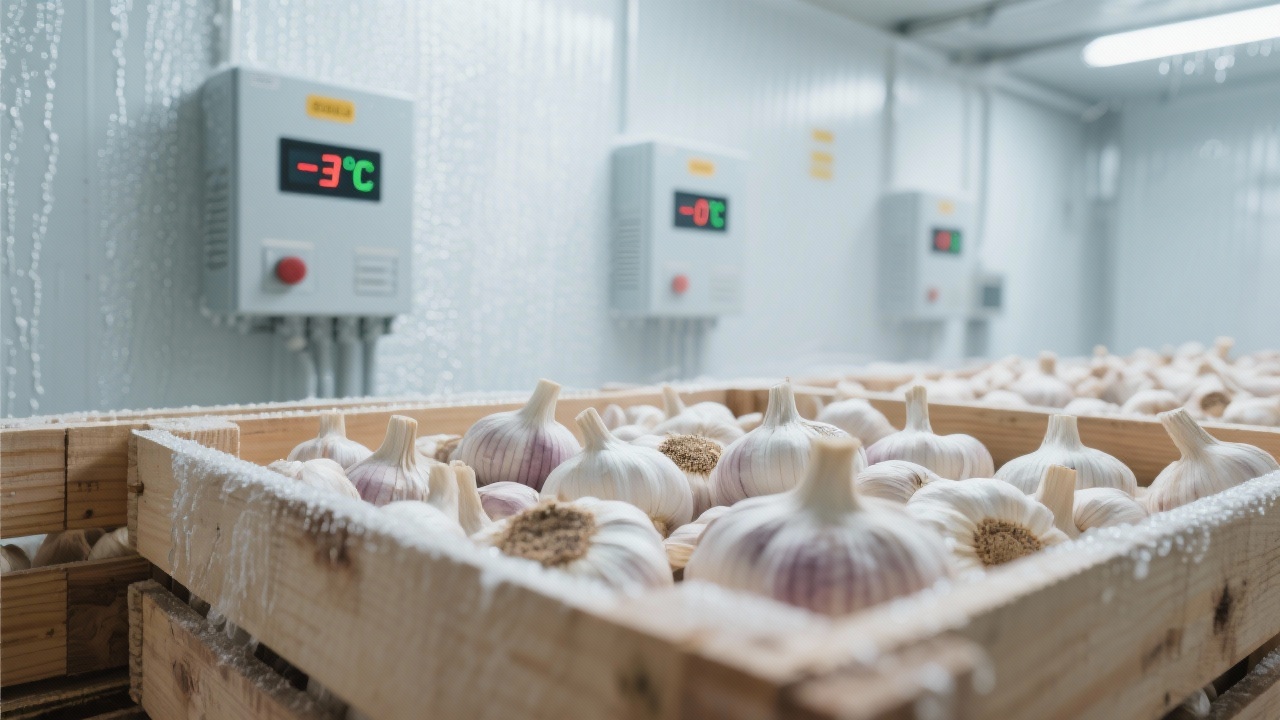
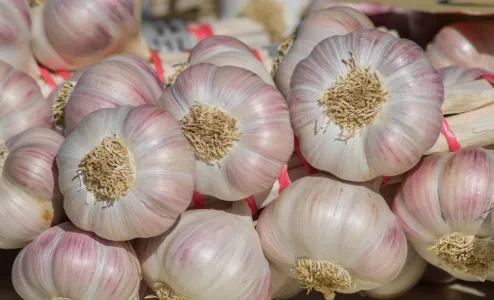
Now, let's talk about the packaging. You might be thinking, "I store my garlic in the fridge, so what difference does the packaging make?" Well, a lot. A 10 - kg mesh bag is not just an ordinary bag. It's designed to work in tandem with the cold storage system.
The mesh design of the bag allows for excellent ventilation. In a cold storage environment, proper ventilation is crucial. It helps to maintain a uniform temperature around the garlic, preventing the build - up of moisture that can lead to mold growth. Moreover, the mesh bag reduces the risk of cross - contamination. When garlic is stored in a closed container, there's a higher chance that if one clove starts to spoil, it can quickly spread to the rest. With a mesh bag, the chances of this happening are significantly reduced.
So, what can you do to improve your garlic supply chain? First, when purchasing garlic, make sure your supplier has a proper cold storage system. Ask about their storage temperature and packaging methods. If possible, visit their facilities to see for yourself.
Once the garlic arrives at your restaurant, transfer it to your own cold storage as soon as possible. Ensure that your cold storage is set at the optimal temperature of - 3°C to 0°C. And use 10 - kg mesh bags for storage. This way, you can ensure that the garlic remains fresh from the moment it leaves the farm to the moment it reaches your customers' plates.
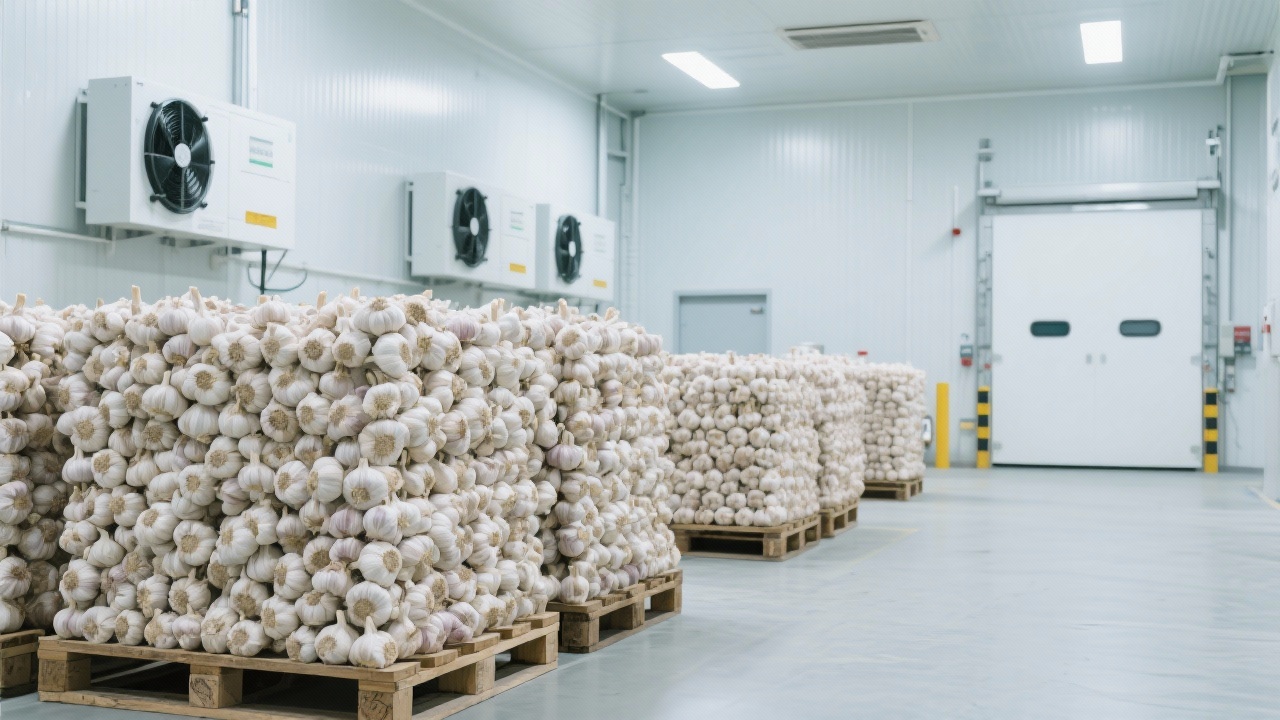
Are you still storing garlic at room temperature in your kitchen? It's time to make a change. By implementing these simple yet effective strategies, you can take control of your ingredient quality from the source. Let every ingredient be treated with the care it deserves. You'll not only enhance the quality of your dishes but also create a sustainable and high - quality dining experience for your customers.
Now, take a moment to think about your own supply chain. Are there other areas where you can make improvements? How can you further optimize your procurement and warehousing processes to ensure the freshness of all your ingredients? Leave a comment below and share your thoughts.
Ready to transform your garlic supply chain and ensure the highest quality of your dishes? Click here to learn more
 301
|
301
|
 high-quality Chinese garlic
year-round stable supply garlic
10-kilogram mesh bag garlic
high-quality Chinese garlic
year-round stable supply garlic
10-kilogram mesh bag garlic
 261
|
garlic cold storage temperature
sea freight produce preservation
cold chain logistics for agriculture
HACCP certification in food transport
post-harvest garlic handling
261
|
garlic cold storage temperature
sea freight produce preservation
cold chain logistics for agriculture
HACCP certification in food transport
post-harvest garlic handling
 409
|
organic ginger essential oil
ginger extraction methods
ginger health benefits
culinary ginger usage
cold press ginger oil
409
|
organic ginger essential oil
ginger extraction methods
ginger health benefits
culinary ginger usage
cold press ginger oil
 199
|
Garlic spoilage causes
Professional refrigeration
Garlic storage temperature
Garlic packaging
Food quality assurance
199
|
Garlic spoilage causes
Professional refrigeration
Garlic storage temperature
Garlic packaging
Food quality assurance
 249
|
organic fresh ginger applications
ginger essential oil extraction
health benefits of ginger
organic ginger export advantages
culinary uses of fresh ginger
249
|
organic fresh ginger applications
ginger essential oil extraction
health benefits of ginger
organic ginger export advantages
culinary uses of fresh ginger




.png?x-oss-process=image/resize,h_600,m_lfit/format,webp)




.png?x-oss-process=image/resize,h_200,m_lfit/format,webp)





 TikTok
 Facebook