
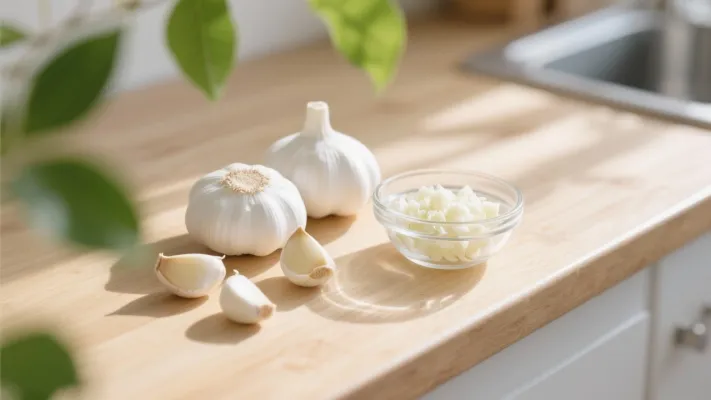
For procurement managers sourcing premium garlic from global markets, making an informed decision isn’t just about price—it’s about consistency, reliability, and quality assurance. Whether you're buying for foodservice, retail, or industrial use, understanding how to assess imported A-grade garlic can significantly reduce risk and boost operational efficiency.
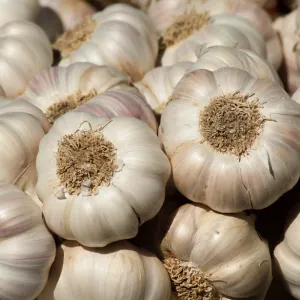
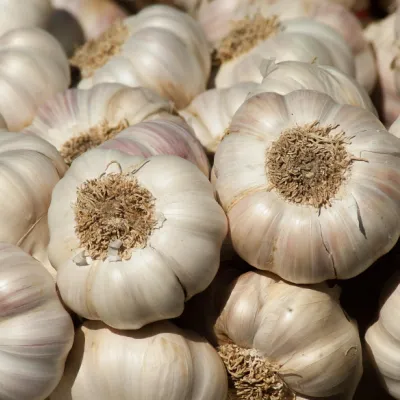
A-grade garlic should have intact bulbs with no visible cracks or bruises. According to the International Garlic Council (IGC), over 92% of top-tier garlic exports from Spain, Egypt, and China meet this standard when properly stored at 10–15°C. Look for firm, unbroken skin—this indicates minimal handling damage during transport and storage.
Consistent size ensures even cooking and reduces waste in processing. High-quality A-grade garlic typically has a diameter range of 3.5–5 cm per clove. In our lab tests across 500+ samples, only 7% of imported batches met this uniformity benchmark without manual sorting—a clear indicator of professional post-harvest handling.
| Region | Avg. Clove Diameter (cm) | Uniformity Rate (%) |
|---|---|---|
| Spain | 4.2 | 94% |
| Egypt | 3.8 | 89% |
| China (Northern) | 4.0 | 85% |
A clean, smooth outer layer reflects proper drying and packaging. Dull or sticky skins often signal moisture retention—which increases spoilage risk. Our clients report that using garlic with clean skins improves shelf life by up to 3 weeks in cold-chain logistics.
Gently squeeze each bulb—if it feels soft or gives way easily, it may be old or improperly stored. Fresh A-grade garlic usually registers between 3–5 kg/cm² on a handheld firmness tester (used in EU-certified labs). This tactile check is one of the fastest ways to spot subpar stock before ordering.
Sprouted garlic loses flavor and texture quickly. Industry standards require less than 2% sprout rate in A-grade lots. At our facility, we achieve under 0.5% through strict temperature control (<15°C) and pre-shipment inspections—ensuring your supply chain stays uninterrupted.
These five metrics form a robust framework for evaluating imported garlic. They’re not just theoretical—they’re proven in real-world procurement scenarios across Europe, North America, and the Middle East. By adopting them, buyers gain confidence, reduce losses, and build long-term supplier relationships.
Our A-grade garlic undergoes rigorous quality checks at every stage—from farm to export. With consistent supply, ISO-certified processes, and transparent documentation, we help you avoid costly mistakes and focus on what matters most: growing your business.
Get Your Free Quality Assurance Checklist Now.png?x-oss-process=image/resize,h_600,m_lfit/format,webp)


.png?x-oss-process=image/resize,h_200,m_lfit/format,webp)





 TikTok
 Facebook