

Garlic, a staple ingredient in kitchens worldwide, comes in various varieties, each with unique nutritional components and characteristics. This article delves into the four major garlic varieties - white garlic, large white garlic, red garlic, and purple garlic - to help overseas users make informed choices.
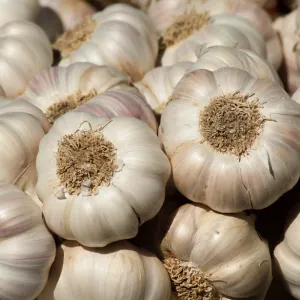
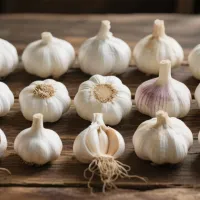
White garlic is known for its pure white skin and relatively mild flavor, making it suitable for long - term stewing. It has a softer texture when cooked. Large white garlic, as the name suggests, is larger in size, with a more intense garlicky flavor compared to white garlic. Red garlic stands out with its red - tinted skin. It has a slightly spicy and pungent taste, which adds a unique kick to dishes. Purple garlic has a distinct purple hue, and its flavor is rich and complex, often preferred by those who enjoy a more robust garlic taste.

Each garlic variety has its own set of core nutritional components. Red garlic, for example, is rich in anthocyanins, with an average content of about 10 - 15 mg per 100 grams, which is significantly higher than white garlic, which has only about 2 - 3 mg per 100 grams. Anthocyanins are powerful antioxidants that can help fight oxidative stress, meeting the growing demand for healthy foods in overseas markets. Sulfide content also varies among the varieties. Purple garlic generally has a higher sulfide content, which is beneficial for cardiovascular health.
A table comparing the nutritional components of these four garlic varieties is highly recommended for better understanding:
| Garlic Variety | Anthocyanin Content (mg/100g) | Sulfide Content |
|---|---|---|
| White Garlic | 2 - 3 | Moderate |
| Large White Garlic | 2 - 4 | High |
| Red Garlic | 10 - 15 | Moderate |
| Purple Garlic | 3 - 5 | High |
In Chinese cuisine, white garlic is often used in slow - cooked dishes like braised meats, as its mild flavor won't overpower other ingredients. Red garlic is great for stir - fries, adding a spicy note. In Western cuisine, large white garlic is commonly used in garlic bread and pasta sauces, where its strong flavor can shine. Purple garlic can be used in vinaigrettes or roasted dishes, bringing out a rich and complex flavor.
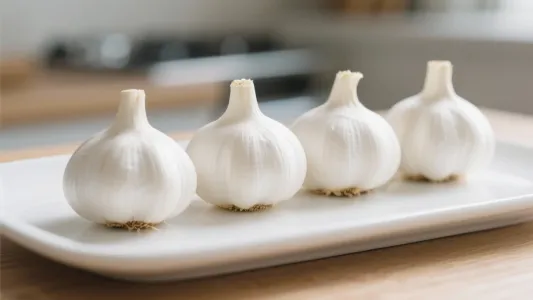
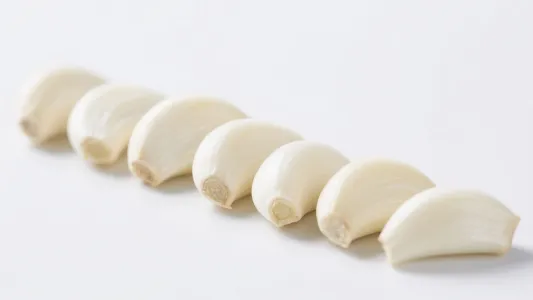
The quality of garlic is often judged by professional grading standards, including size, plumpness, and uniformity of skin color. Larger, plumper garlic cloves with uniform skin color are generally of higher quality. These standards ensure that consumers receive the best - quality garlic products.
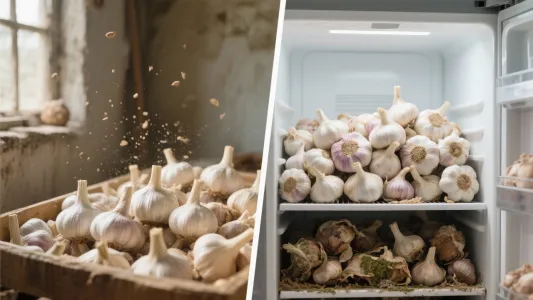
We adopt a - 3℃ constant - temperature refrigeration technology to ensure that every clove of garlic remains fresh. Storing garlic at a temperature between - 3℃ and 0℃ is crucial for maintaining its flavor stability and nutritional value. This temperature range slows down the aging process and preserves the essential oils and nutrients in garlic.

For home cooks, combining different garlic varieties can enhance the flavor of dishes. For example, use white garlic for its mildness in a creamy soup, and add a bit of red garlic for a spicy twist. When cooking a steak, rub it with a mixture of crushed large white garlic and purple garlic for a rich and complex flavor.
We hope this article has provided you with valuable insights into different garlic varieties. If you have any questions or need more information, please leave a message below. And if you're looking for high - quality garlic products, click here to explore our range of garlic varieties, carefully selected and stored using our advanced - 3℃ refrigeration technology.
 212
|
212
|
 A grade white garlic quality
garlic grading standards
white garlic procurement guide
no sprout garlic inspection
garlic quality assessment
A grade white garlic quality
garlic grading standards
white garlic procurement guide
no sprout garlic inspection
garlic quality assessment
 287
|
fresh garlic quality judgment
foreign trade garlic purchasing guide
garlic storage methods
high - quality garlic selection skills
refrigerated garlic preservation
287
|
fresh garlic quality judgment
foreign trade garlic purchasing guide
garlic storage methods
high - quality garlic selection skills
refrigerated garlic preservation
 74
|
Organic ginger application
Ginger essential oil production
Ginger health benefits
Ginger cooking techniques
Ginger pickling methods
74
|
Organic ginger application
Ginger essential oil production
Ginger health benefits
Ginger cooking techniques
Ginger pickling methods
 161
|
red garlic recipe
garlic variety comparison
cold chain garlic storage
homemade garlic sauce
foreign buyer kitchen guide
161
|
red garlic recipe
garlic variety comparison
cold chain garlic storage
homemade garlic sauce
foreign buyer kitchen guide
 197
|
garlic packaging solutions
net bag garlic storage
fresh garlic transportation
international cuisine garlic usage
foodservice supply chain efficiency
197
|
garlic packaging solutions
net bag garlic storage
fresh garlic transportation
international cuisine garlic usage
foodservice supply chain efficiency
.png?x-oss-process=image/resize,h_600,m_lfit/format,webp)








.png?x-oss-process=image/resize,h_200,m_lfit/format,webp)





 TikTok
 Facebook