
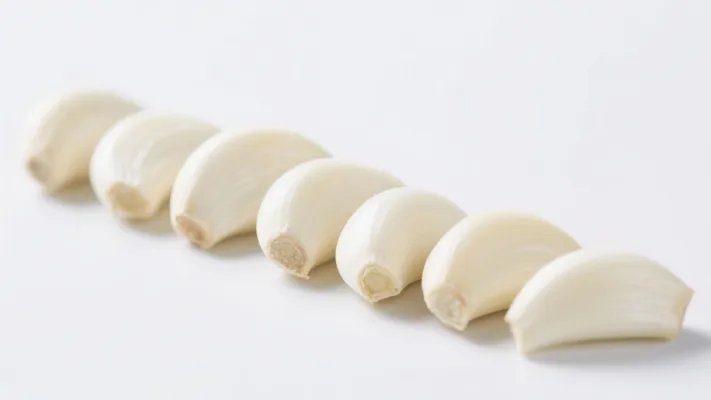
Are you eager to tell the difference between high - quality and low - quality fresh garlic at a glance? In this guide, we'll take you from visual inspection to tactile assessment, equipping you with the skills to pick out the best garlic. Along the way, we'll also explore how professional cold storage technology helps preserve the crispness, tenderness, and nutritional value of garlic. Plus, we'll share practical storage tips to extend the shelf - life of garlic for both home and commercial use.
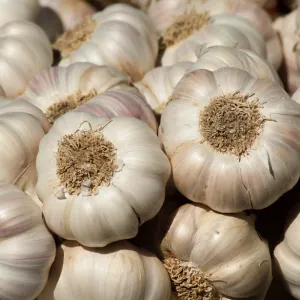
When it comes to visual assessment, size and appearance matter. High - quality fresh garlic typically has uniformly sized cloves. As shown in the comparison chart below, well - formed garlic cloves are a sign of proper growth and development. You should look for bulbs with tight, compact cloves. Loose or shriveled cloves often indicate that the garlic is past its prime or has been stored in improper conditions.
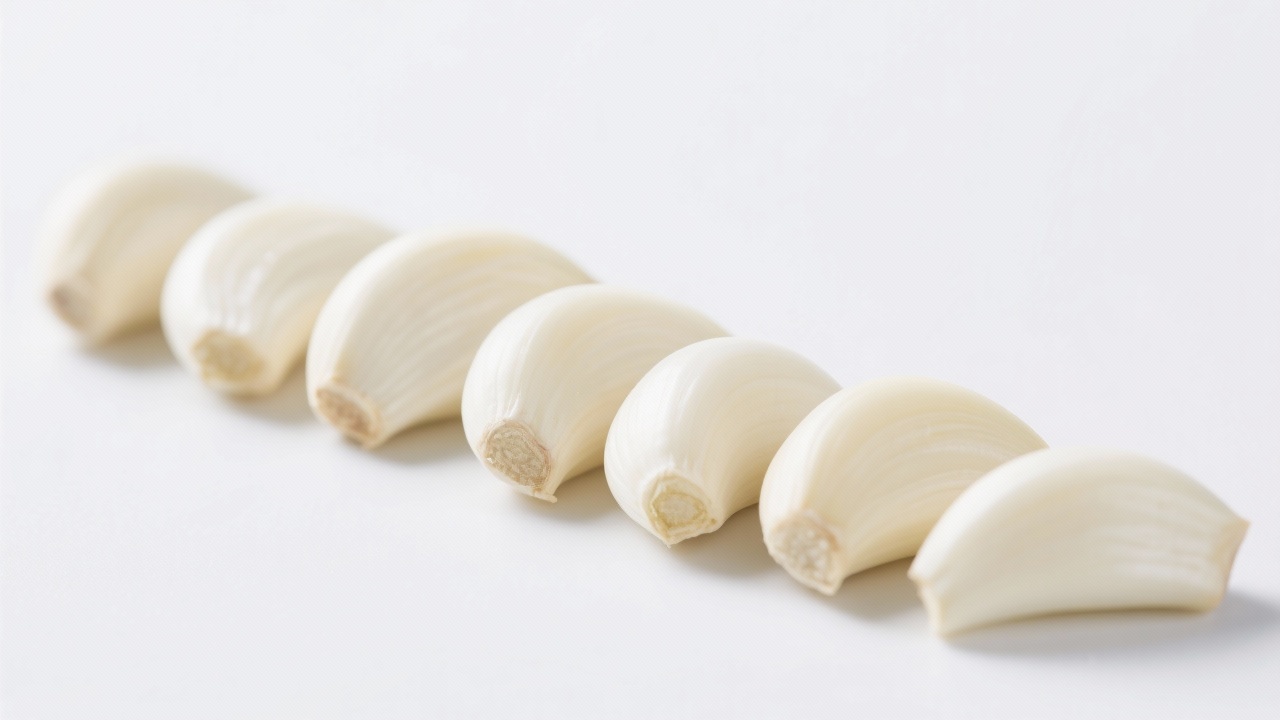
The outer skin of the garlic is another important visual cue. A shiny, unblemished skin is a good indication of freshness. Any signs of mold, discoloration, or damage on the skin can be a red flag. According to industry data, garlic with damaged skin has a much shorter shelf - life and is more likely to spoil quickly.
Tactile assessment is just as important as visual inspection. When you pick up a garlic bulb, it should feel firm and have a certain degree of elasticity. Squeeze the bulb gently. If it feels soft or mushy, it's likely that the garlic has started to rot. On the other hand, a very hard and rigid bulb might be over - dried. The ideal garlic bulb should give a little under pressure but still maintain its shape, indicating that it's fresh and full of moisture.
Storage conditions play a crucial role in maintaining the quality of garlic. Low - temperature storage is a well - known method in the agricultural and food industries. At temperatures between - 3°C and 0°C, the enzymatic activity in garlic is significantly slowed down. Enzymes are responsible for the natural aging and spoilage processes in garlic. By reducing their activity, the nutritional value of garlic can be better preserved.
According to experts in food science, garlic stored at the right low temperature can retain up to 90% of its original nutritional content for several months. This is why at Yishangqiao, every single head of garlic is stored in a professional cold - storage environment between - 3°C and 0°C.
There are several common misconceptions when it comes to assessing garlic quality. One of the most prevalent is the belief that any large - sized garlic is of high quality. In fact, size alone does not guarantee freshness or nutritional value. Some large garlic bulbs might have been treated with growth - promoting agents or stored in sub - optimal conditions, leading to a loss of flavor and nutrients.
For home use, you can store garlic in a cool, dry, and well - ventilated place. A pantry or a cellar is an ideal location. Keep the temperature between 10°C and 15°C and the relative humidity around 60 - 70%. Avoid storing garlic in the refrigerator, as the high humidity can cause it to sprout or rot.
In a commercial setting, it's essential to invest in proper cold - storage facilities. Maintaining the right temperature and humidity levels can significantly extend the shelf - life of garlic. Additionally, storing garlic away from direct light can prevent the degradation of its nutritional components.
When you choose Yishangqiao, you're choosing reliability and quality. Our garlic is sourced from the best farms and stored under professional conditions. Every step of our process is designed to ensure that you receive the freshest, most nutritious garlic possible. Don't miss out on the opportunity to experience the difference of high - quality garlic. Click here to explore our range of fresh garlic products now!
.png?x-oss-process=image/resize,h_600,m_lfit/format,webp)




.png?x-oss-process=image/resize,h_200,m_lfit/format,webp)





 TikTok
 Facebook