

Whether you're a professional chef or a food wholesaler, the quality of your garlic directly impacts flavor, shelf life, and customer satisfaction. This guide reveals expert-backed methods to select premium garlic and store it properly—so every clove delivers its full aromatic punch and nutritional value.
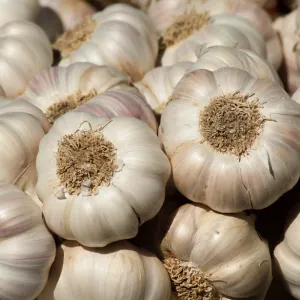
Look for garlic bulbs with firm, white-to-creamy skin that’s free from soft spots, mold, or discoloration. According to USDA studies, over 70% of garlic spoilage starts at the neck area—so inspect carefully before purchase. Each clove should be plump, intact, and tightly packed within the bulb. Avoid any with visible cracks, sprouting, or brown patches (which indicate age or moisture damage).
| Criteria | Ideal | Avoid |
|---|---|---|
| Skin Color | White, smooth, slightly translucent | Yellowed, wrinkled, or moldy |
| Clove Integrity | Firm, no gaps between cloves | Loose, shriveled, or broken cloves |
| No Signs of Pest Damage | Clean, no holes or tunnels | Small holes, webbing, or insect residue |
For best results, keep garlic in a cool, dry place between 15–20°C (59–68°F) with humidity below 65%. Higher temperatures accelerate sprouting; excessive moisture promotes mold growth—especially in bulk storage. A well-ventilated space like a mesh bin or breathable bag is critical. In fact, one study by the International Journal of Food Science found that garlic stored in non-ventilated plastic bags lost up to 30% of allicin content (the compound responsible for flavor and health benefits) within just 14 days.
Unlike sealed plastic sacks, 10kg net bags allow airflow while preventing bruising during transport and handling. They’re ideal for warehouse stacking and retail display. For example, a distributor in Dubai reported a 40% reduction in spoilage after switching to ventilated packaging—a win for both cost-efficiency and product freshness.
Pro tip: Keep garlic away from onions—they release ethylene gas that speeds up aging. Also, never refrigerate whole bulbs unless you’re storing them for more than a month—it can cause premature sprouting.
By mastering these simple yet powerful techniques, you’ll not only preserve garlic’s rich taste and health benefits but also reduce waste and improve profitability across your supply chain.
Got questions about sourcing or storing garlic? Drop us a comment below—we read every message and may feature your query in our next expert Q&A!
Ready to elevate your garlic game with reliable, high-quality packaging? Discover our 10kg mesh garlic bags →
.png?x-oss-process=image/resize,h_600,m_lfit/format,webp)




.png?x-oss-process=image/resize,h_200,m_lfit/format,webp)





 TikTok
 Facebook