
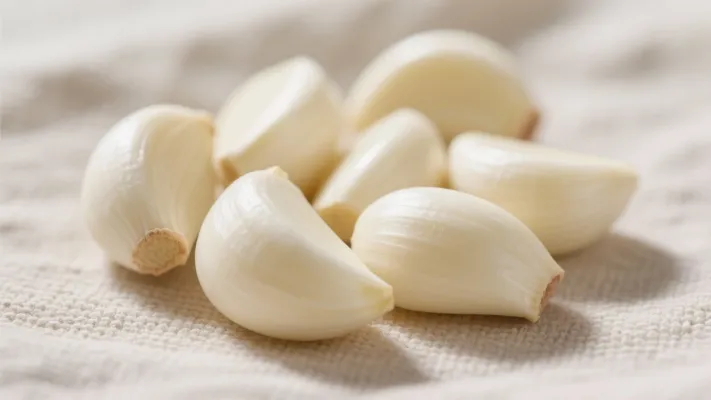
In the global garlic market, high - quality white garlic is in high demand. For procurement decision - makers, being able to accurately identify top - notch A - grade white garlic is crucial to reduce procurement risks and ensure the quality of the products they source. This guide will introduce five key indicators for identifying high - quality A - grade white garlic and provide practical detection tutorials.
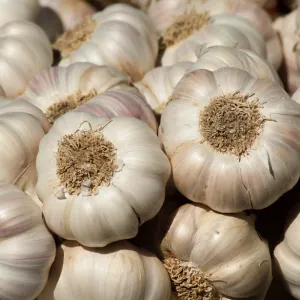
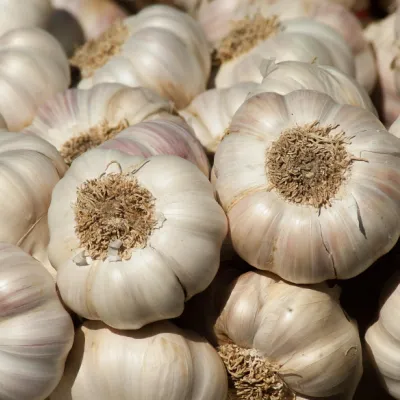
The appearance integrity of white garlic is the first thing to consider. A high - quality A - grade white garlic should have no visible cracks, bruises, or mold. The cloves should be well - formed and not damaged. To check this, you can visually inspect the garlic bulbs one by one. According to industry statistics, about 15% of low - quality garlic in the market has appearance integrity issues, which can affect its shelf - life and taste.
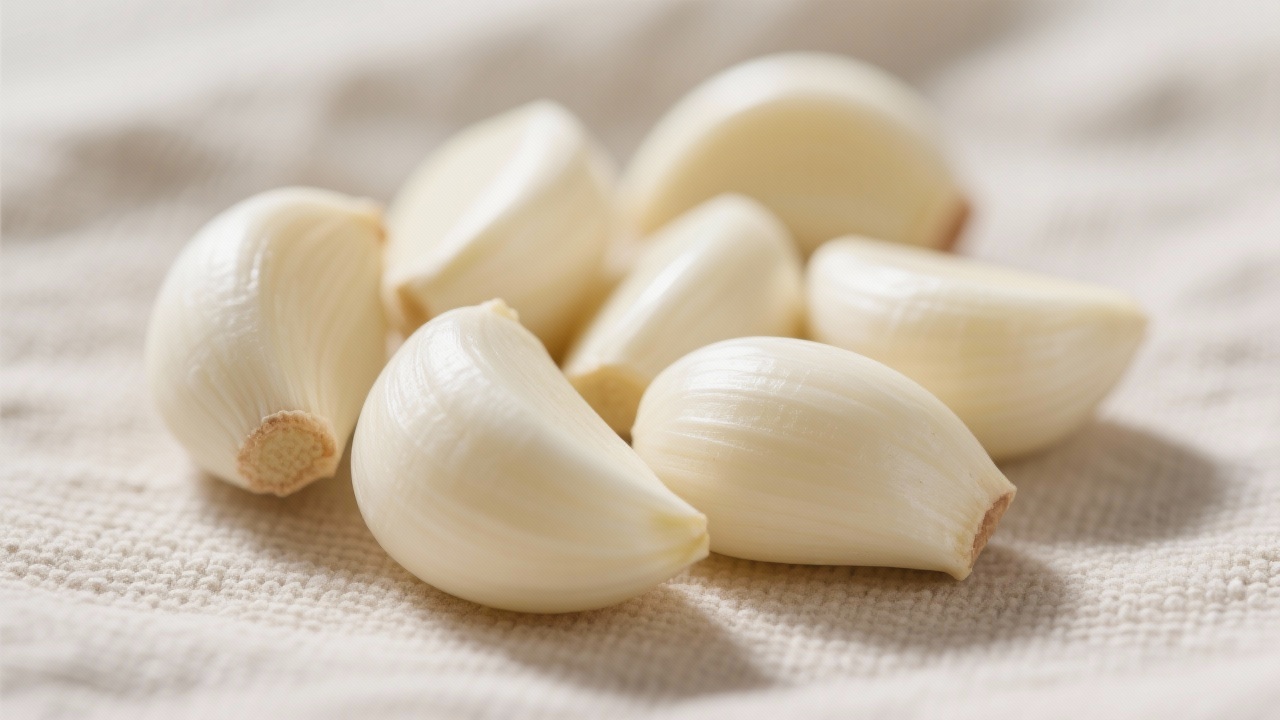
Size uniformity is another important indicator. A - grade white garlic usually has a relatively consistent size. In the international market, the standard deviation of the size of A - grade white garlic is generally within 5%. You can measure the diameter of several bulbs randomly. If the difference in size is too large, it may indicate a lower grade. For example, in a batch of garlic, if the diameter of some bulbs is 40mm while others are 60mm, it is likely not A - grade.
The cleanliness of the garlic's epidermis is also significant. High - quality white garlic has a clean, smooth, and shiny outer skin. You can observe the color and texture of the epidermis. A dull or dirty epidermis may suggest poor storage conditions or a lower - quality product. About 20% of sub - standard garlic in the market has issues with epidermis cleanliness, which can also affect its market value.
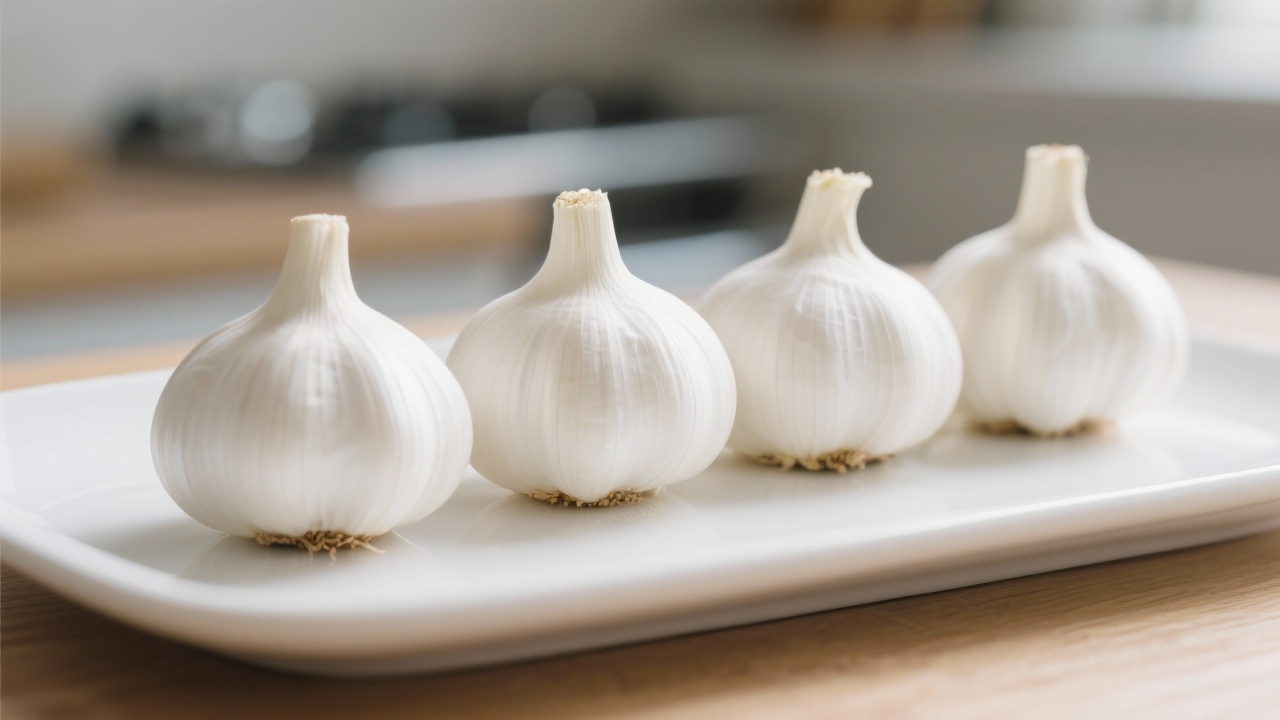
To determine the compaction of garlic cloves, you can gently squeeze the garlic bulb. A high - quality A - grade white garlic should feel firm, indicating that the cloves inside are tightly packed. Loose cloves may lead to spoilage more easily. In a study of garlic quality, it was found that about 12% of garlic with loose cloves had a shorter shelf - life compared to those with compact cloves.
Sprouted garlic is generally considered of lower quality. A - grade white garlic should be free of sprouts. Sprouting can cause the garlic to lose its flavor and nutritional value. By visually inspecting the tip of the garlic bulb, you can easily identify whether there are sprouts. In the market, about 18% of garlic products may have sprouting issues.
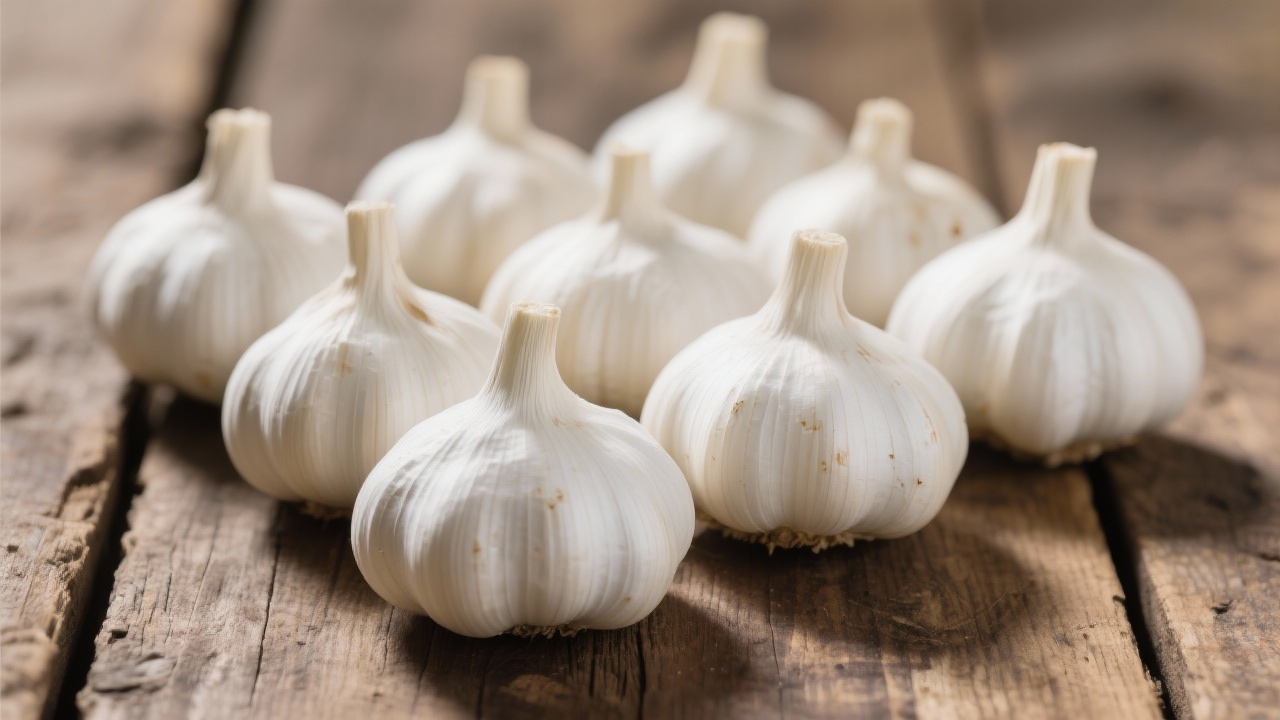
When it comes to white garlic, Chinese - produced garlic often stands out in terms of quality. Chinese garlic is known for its high compliance rate with A - grade standards. For example, in terms of appearance integrity, Chinese garlic has a compliance rate of about 90%, while some imported garlic may only reach 70%. In terms of size uniformity, Chinese garlic's standard deviation is often lower, making it more popular in the international market.
Our company is committed to providing the highest - quality A - grade white garlic. We have a strict quality management system in place. From the selection of garlic seeds to the final packaging, every step is carefully monitored to ensure that our products meet or exceed international standards. Moreover, we can provide a stable supply throughout the year, which is essential for our customers' long - term business operations.
If you are looking for high - quality A - grade white garlic with reliable supply, click here to explore our products.
.png?x-oss-process=image/resize,h_600,m_lfit/format,webp)



.png?x-oss-process=image/resize,h_200,m_lfit/format,webp)





 TikTok
 Facebook