
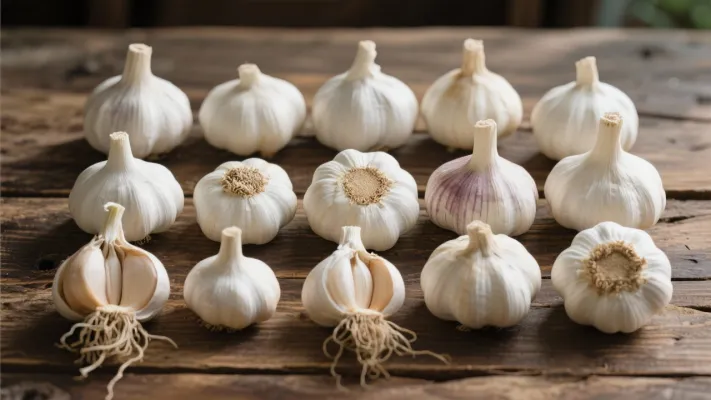
Are you looking to source high-quality fresh garlic but unsure how to assess its quality? This article provides a detailed breakdown of the selection criteria for premium white garlic. You'll learn about the color differences and suitable applications of pure white, large white, red, and purple garlic varieties, as well as practical inspection techniques for ensuring the integrity of garlic bulbs (no sprouting, rot, or impurities). Additionally, we'll emphasize the crucial role of professional cold storage in preserving freshness and nutritional value. With a combination of text and visuals, this guide will help you quickly master the art of identifying Grade A white garlic, thereby enhancing your purchasing efficiency and the value you get from your product.
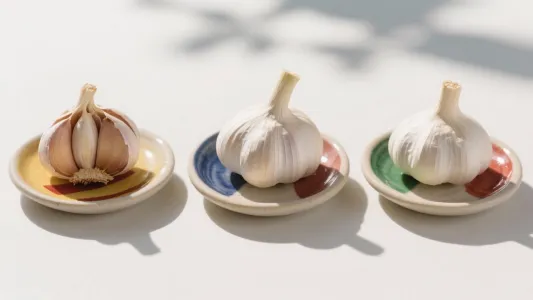
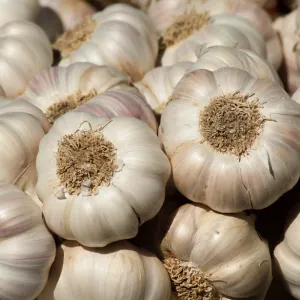
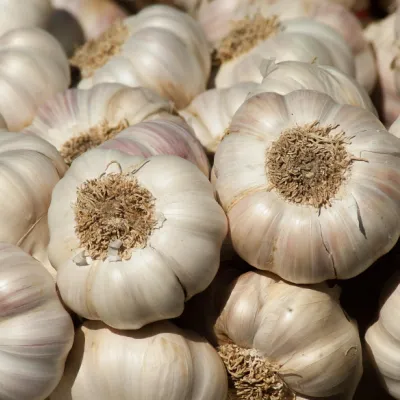
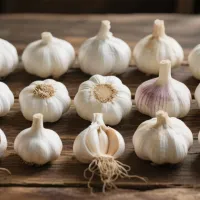
When it comes to white garlic, there are several distinct varieties, each with its own unique visual characteristics and market positioning. Pure white garlic is known for its clean, bright white color and mild flavor. It's often preferred in high - end culinary applications and commands a premium price in the market.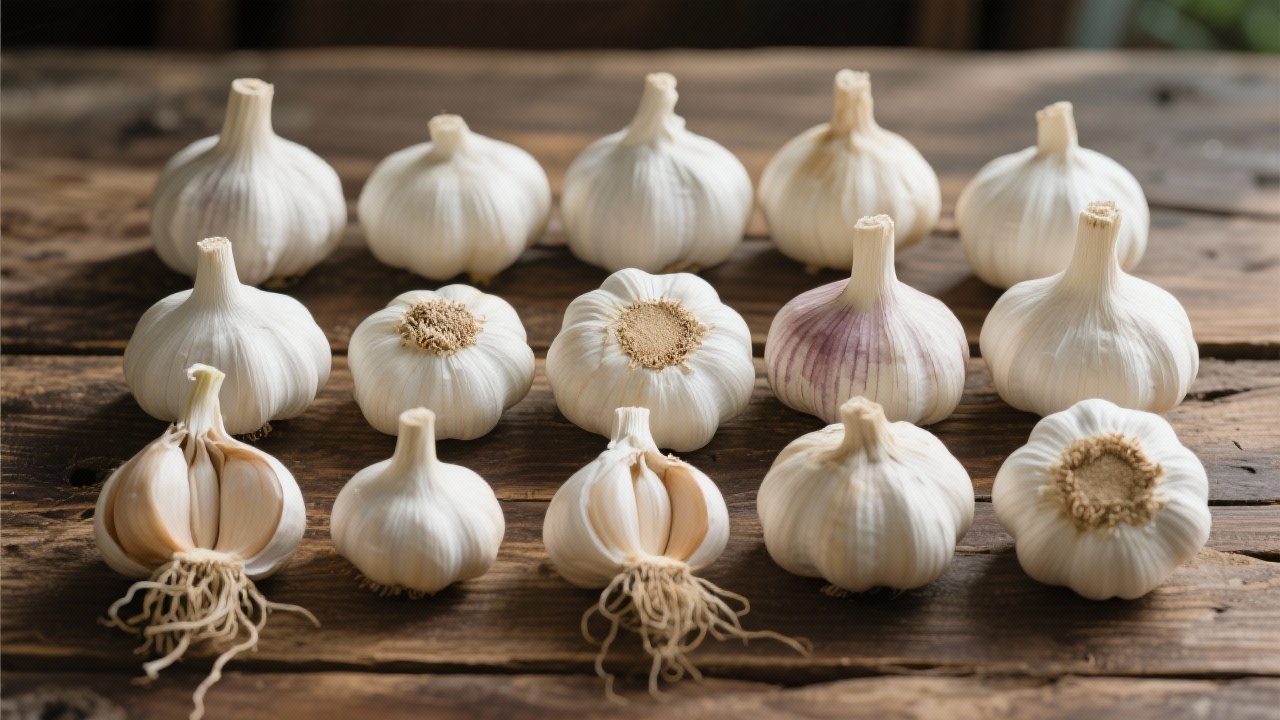
Large white garlic is typically bigger in size and has a slightly stronger flavor compared to pure white garlic. It's widely used in both home cooking and commercial food production due to its good balance of flavor and cost - effectiveness. Red and purple garlic have a more robust flavor profile. Their distinct colors are not only visually appealing but also indicate a higher content of certain antioxidants. These varieties are popular in regions where a more intense garlic flavor is desired.
The integrity of garlic bulbs is a key factor in determining their quality. Garlic bulbs should be free of sprouting. Sprouted garlic not only has a different taste but also indicates that the garlic has started to age and lose some of its nutritional value. It's also less suitable for long - term storage.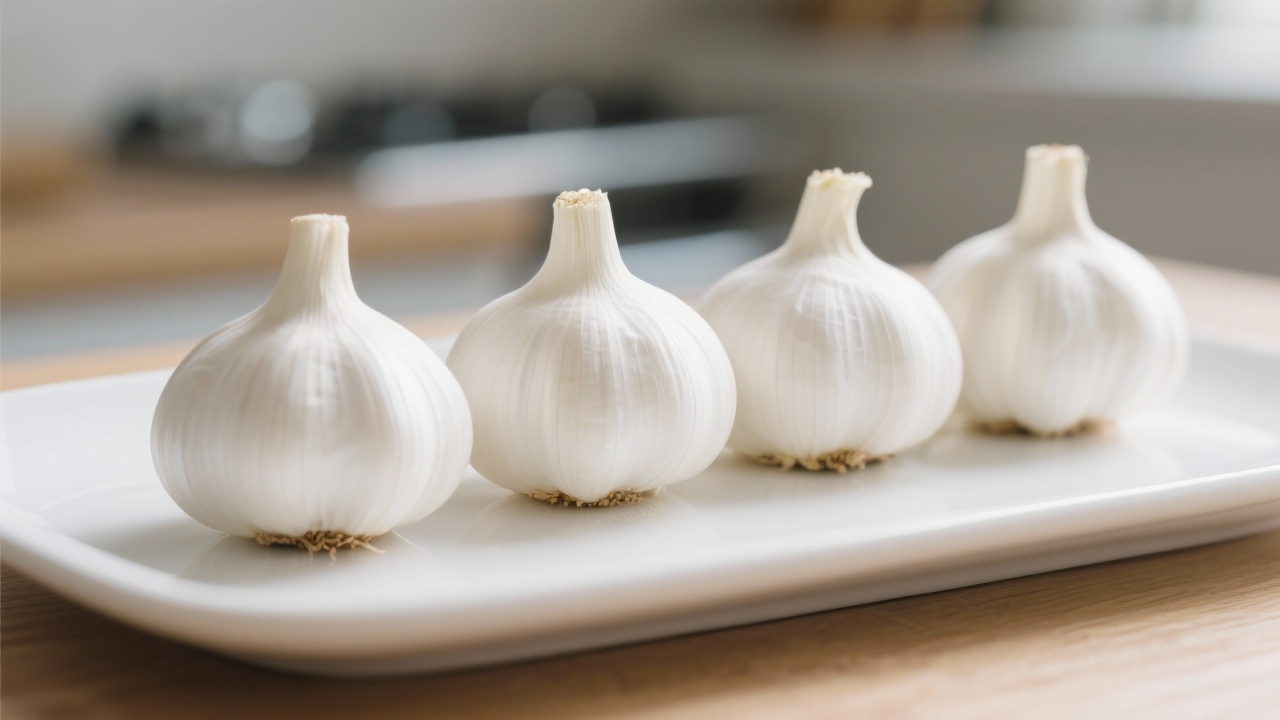
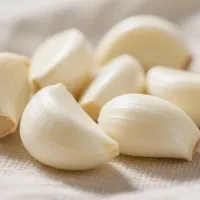
Another important aspect is the absence of rot. Rot can spread quickly among garlic bulbs during storage and transportation, leading to significant losses. When inspecting garlic, look for any signs of soft spots, discoloration, or a foul smell, as these are all indicators of rot. Finally, the garlic should be free of impurities, such as dirt, debris, or damaged cloves. Impurities can affect the overall quality of the garlic and may also pose a risk to food safety.
Using breathable mesh bags for packaging is highly recommended for garlic. These bags allow for proper air circulation, which helps prevent the growth of mold and mildew during transportation and storage. This simple packaging solution can significantly extend the shelf life of garlic.
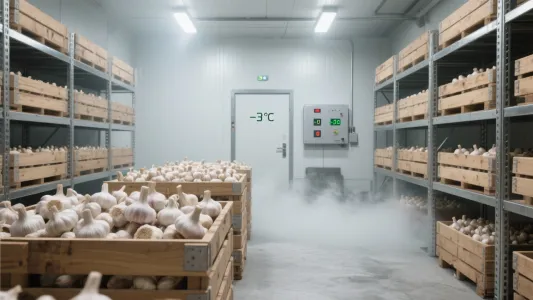
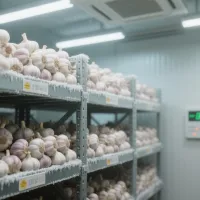
As for storage, maintaining a temperature range between - 3°C to 0°C is ideal. Cold storage at this temperature can slow down the metabolic processes of the garlic, keeping it fresh for a longer time. It also helps preserve the nutritional content of the garlic, such as vitamins and antioxidants. According to industry research, garlic stored at - 3°C to 0°C can retain up to 90% of its original nutritional value over a period of 3 - 4 months.
When conducting on - site inspections, take the time to carefully examine a sample of garlic bulbs. Check the color, size, and integrity of the bulbs. You can also gently squeeze the bulbs to ensure they are firm. For storage management, make sure your storage facility is clean, dry, and well - ventilated. Regularly monitor the temperature and humidity levels to ensure they remain within the optimal range.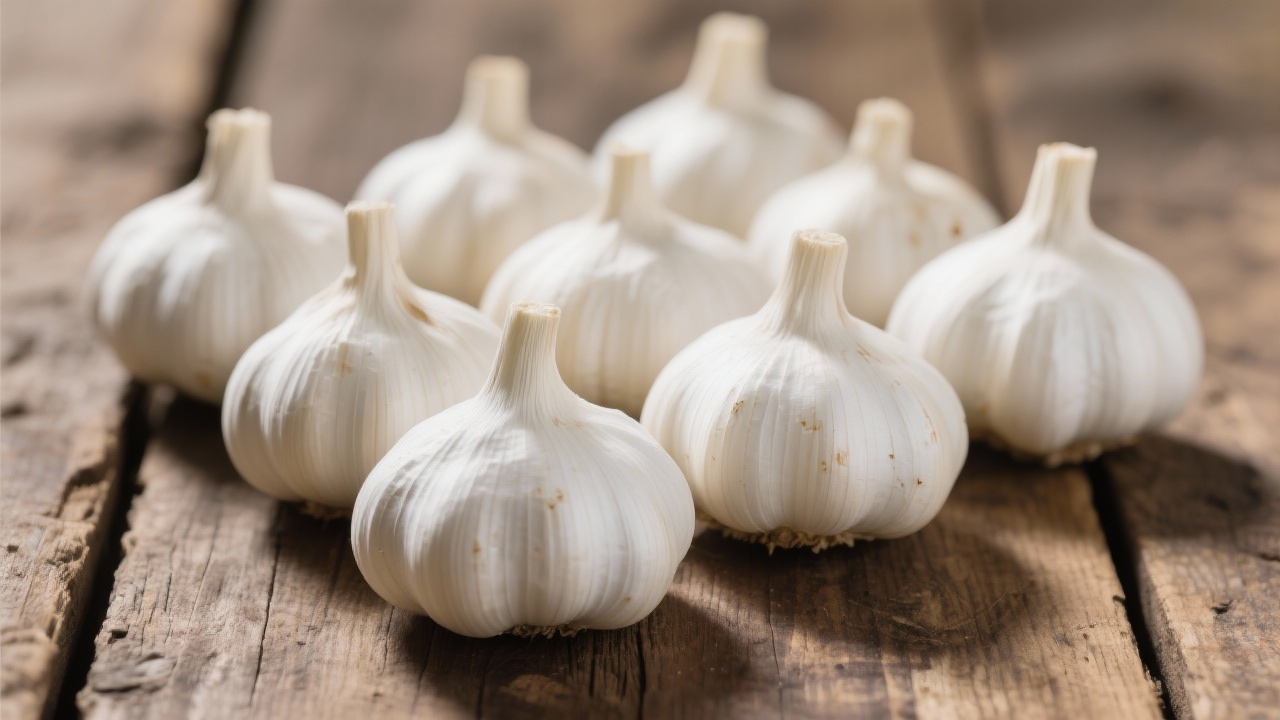
In conclusion, by understanding the visual features of different white garlic varieties, paying attention to bulb integrity, using proper packaging, and implementing professional cold storage, you can make more informed purchasing decisions and ensure the quality of the garlic you source. If you're interested in learning more about our Grade A white garlic supply solutions that meet international standards, click here.

 212
|
212
|
 red garlic salad
purple garlic dressing
garlic variety guide
international food sourcing
garlic culinary applications
red garlic salad
purple garlic dressing
garlic variety guide
international food sourcing
garlic culinary applications
 449
|
Garlic preservation
Cold storage temperature control
Food freshness
Cold - chain warehousing management
Garlic storage techniques
449
|
Garlic preservation
Cold storage temperature control
Food freshness
Cold - chain warehousing management
Garlic storage techniques
 157
|
garlic preservation techniques
low-temperature garlic storage
mesh bag packaging benefits
cold chain management for produce
European fresh garlic market
157
|
garlic preservation techniques
low-temperature garlic storage
mesh bag packaging benefits
cold chain management for produce
European fresh garlic market
 293
|
garlic soil amendment
high-yield garlic farming
cold chain storage for garlic
European garlic import standards
garlic quality control
293
|
garlic soil amendment
high-yield garlic farming
cold chain storage for garlic
European garlic import standards
garlic quality control
 355
|
white garlic storage techniques
10kg mesh bag packaging
garlic freshness preservation
cold chain logistics for garlic
garlic quality assurance
355
|
white garlic storage techniques
10kg mesh bag packaging
garlic freshness preservation
cold chain logistics for garlic
garlic quality assurance


.png?x-oss-process=image/resize,h_600,m_lfit/format,webp)






.png?x-oss-process=image/resize,h_200,m_lfit/format,webp)





 TikTok
 Facebook